
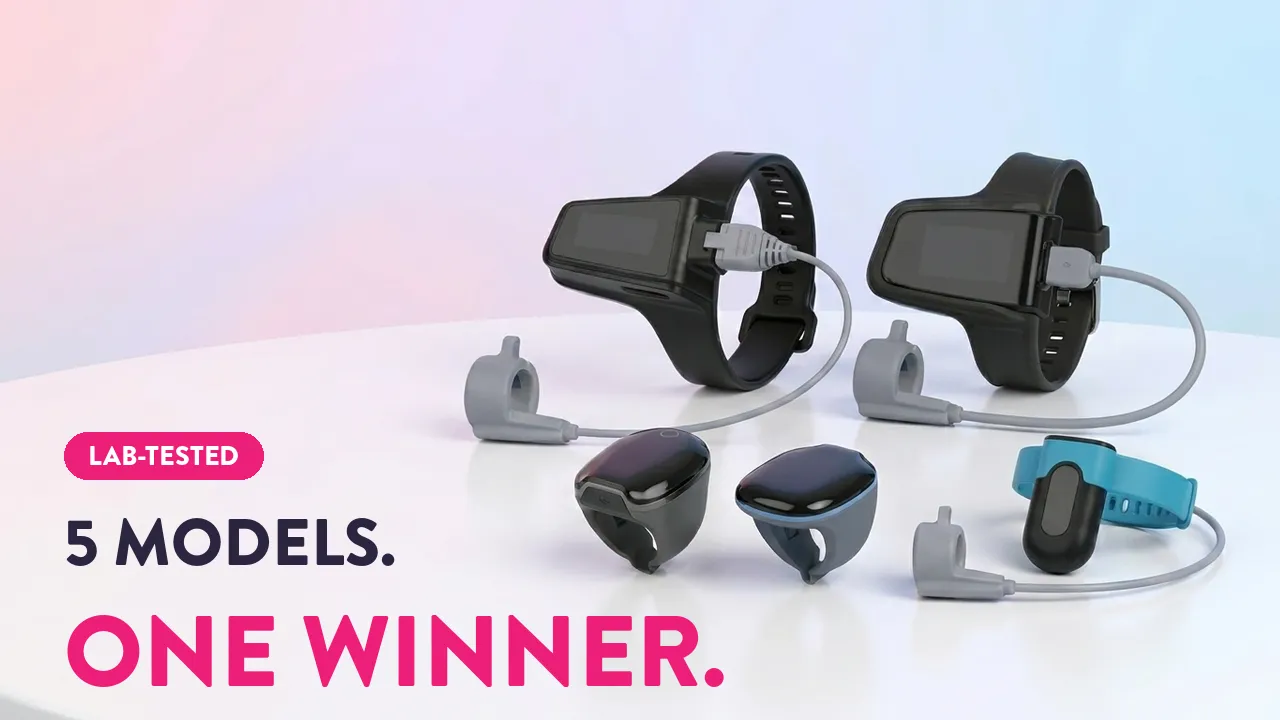

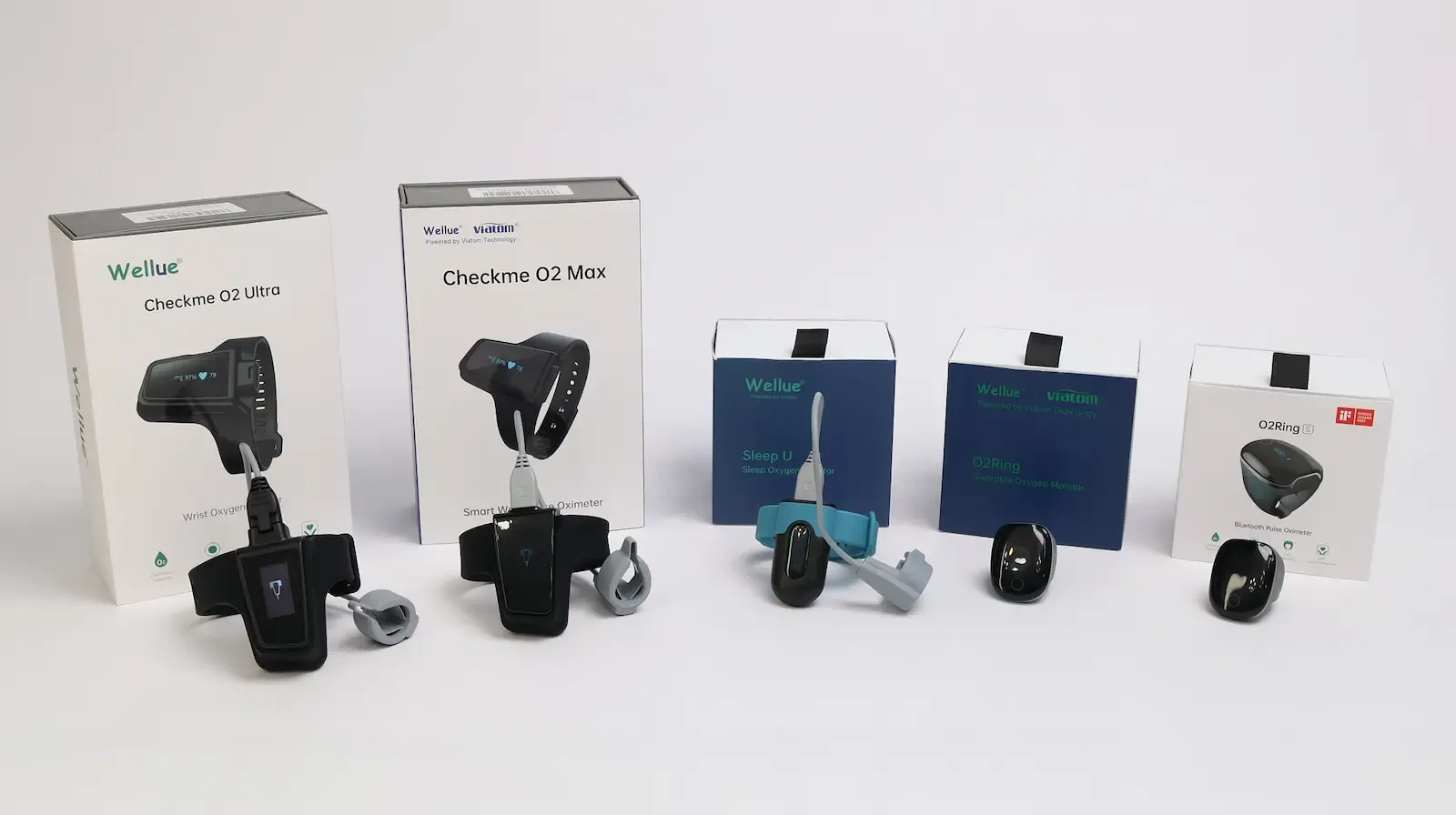
Picking a Wellue pulse oximeter is harder than it should be, because Wellue sells five of them and will not tell you which one is better. The honest answer is that two of them are not worth your money.
As someone who has personally struggled with sleep apnea, I know the anxiety of waking up exhausted, nursing a headache, and wondering why. I also know the frustration of buying a overnight pulse oximeter out of desperation, only to find the data is junk.
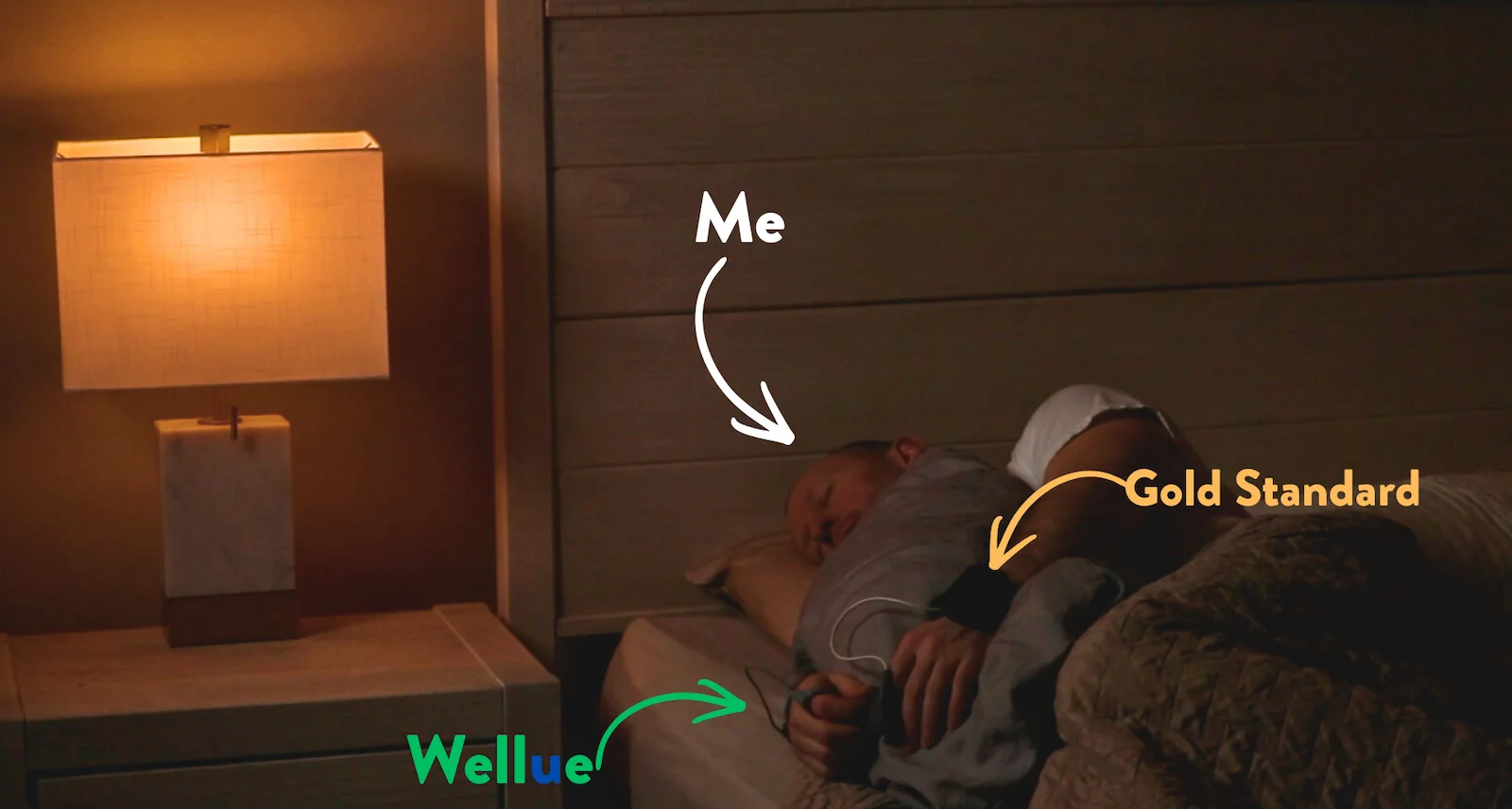

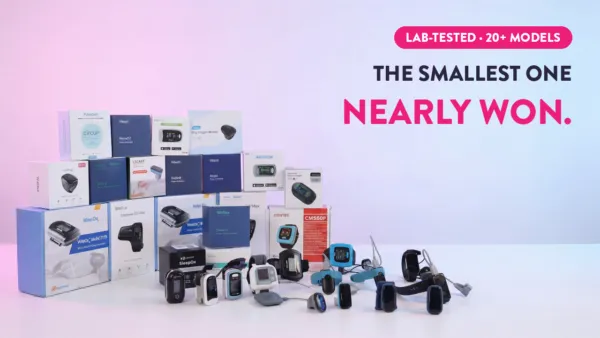
So I spent two months sleeping with more than twenty continuous pulse oximeters, each one against a $1,500 Nonin 3150 for three nights. Five of them were Wellue. Here is the one to buy, and the ones to skip.
The Short Answer
Buy the Checkme O2 Max. It scored 90.7 out of 100 on my bench, it carries an FDA 510(k) clearance, it runs three nights on a charge, and its data drops straight into OSCAR.
The other four all have a reason to exist. Two of them have a reason to avoid. If what you want is the lightest thing you can sleep in, skip to the SleepU further down, because that one comes with a catch.
Top Pick: Checkme O2 Max

Of the five Wellue overnight oximeters I benched against a $1,500 Nonin 3150, the Checkme O2 Max is the one to buy. It holds an FDA 510(k) clearance, it agreed with the hospital reference inside 2 points for 99.6% of the night at a +0.2% bias, and its CSV drops into OSCAR with no cleanup. Buy something else only if you need more than three nights per charge, or you will not wear a wrist unit at all.
Pros
Cons
Worth knowing before you spend: the best overnight oximeter I tested is not a Wellue at all. The EMAY SleepO2 outscored every device on this page and costs less. If you are not committed to the brand, start with my best overnight pulse oximeters lab test instead.
The Whole Lineup, Side by Side
Every number here is measured, not copied off a spec sheet. Three nights per device, second by second, against the same reference.
|
Device |
Score |
Bias |
Tracked Nonin |
Fda 510(K) |
Link |
|---|---|---|---|---|---|
|
Check O2 Max |
90.7 |
+0.2% |
99.6% |
Yes, K191088 |
|
|
Wellue SleepU |
87.8 |
+1.9% |
70.1% |
None found |
|
|
Checkme O2 Ultra |
87.3 |
+0.2% |
99.0% |
None found |
|
|
Wellue O2 Ring |
81.7 |
+0.7% |
99.1% |
Yes, K242876 |
|
|
Wellue O2 RingS |
81.1 |
+1.0% |
98.2% |
None found |
A note on that clearance column, because it is messier than Wellue makes it look. Viatom holds two relevant clearances: the Checkme O2 Max under K191088 in 2019, and a second one in February 2025, K242876, covering ring-form oximeters with an integrated sensor.
Viatom’s own technical documentation identifies the O2Ring as one of the models on that second clearance. Wellue’s consumer page for the O2Ring S, meanwhile, still states the device is for general wellness use only.
Two things that table will not tell you on its own.
Bias direction matters more than bias size. Every one of these devices reads high. A positive bias means the device reports more oxygen than you actually have.
That is the optimistic direction, and optimistic is the one that hides a desaturation instead of inventing one. A device that reads low is annoying. A device that reads high is the one that misses something.
A high score and a recommendation are not the same thing. The SleepU sits third on score while agreeing with the reference only 70% of the time. What matters depends on what you are doing with the device.
Which One Is Actually For You
Four questions. Answer them in order and you will land on your device.
1. Do you need the data to hold up, for a doctor, a CPAP, or your own peace of mind?
Buy the Checkme O2 Max. It is the most accurate unit in the lineup, it carries its own 510(k) clearance, and it is the only one whose export I would hand to a clinician without apologising for it.
2. Do you hate wearing things on your wrist?
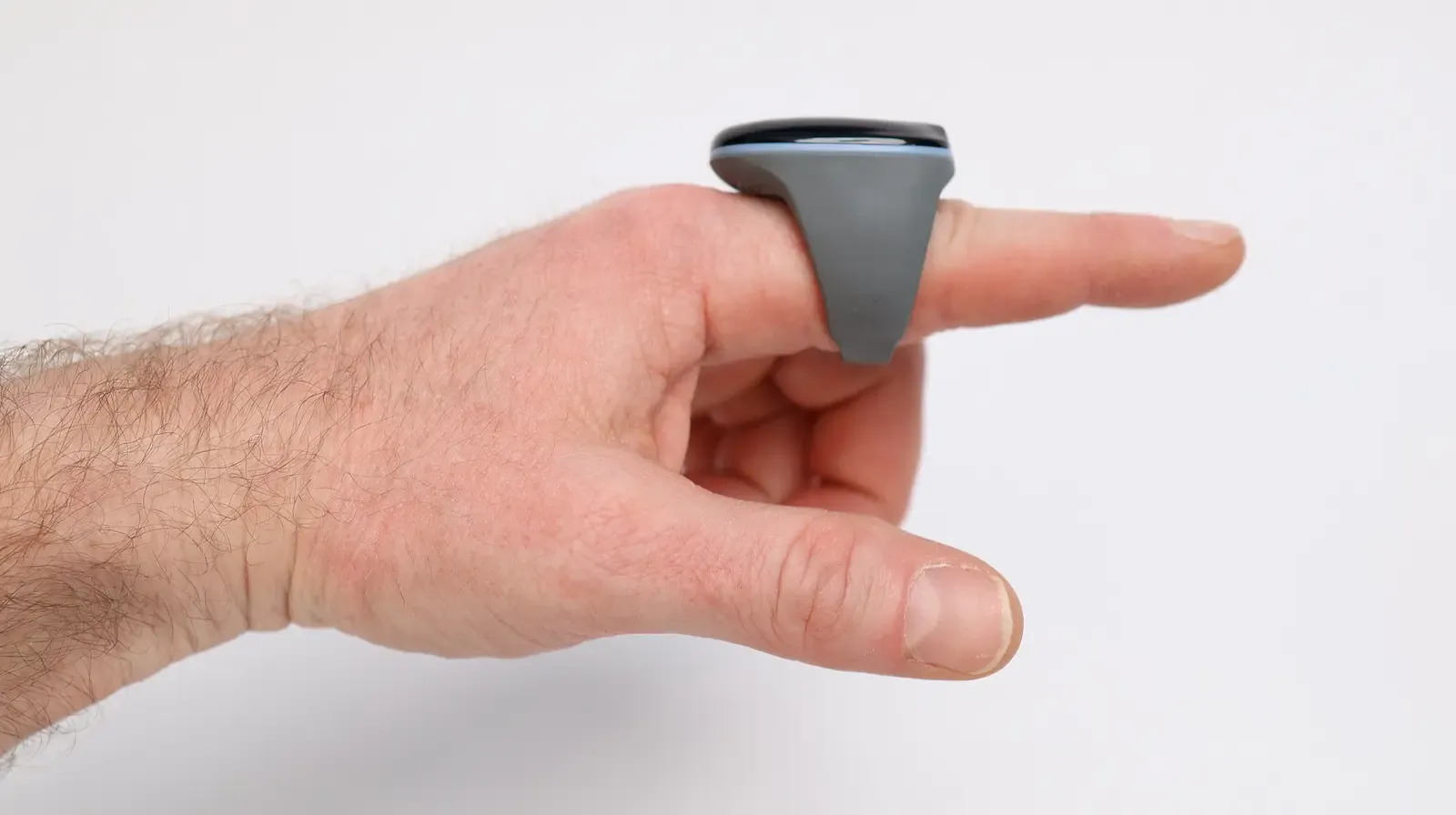
Then you want a ring, and the one you want is the Wellue O2Ring. It is the lowest-profile device I have slept in and a flat 10/10 to wear.
Know the trade first. It logs about a quarter of the short dips the Nonin catches, which makes it right for a trend and wrong for chasing individual events.
3. Are you tracking for days at a time, not one night?
The Checkme O2 Ultra runs past 100 hours on a charge, stores four 12-hour recordings on the device, and charges by magnet. It gives up a little event detection to get there.
4. Do you want the sharpest data a ring can give you?
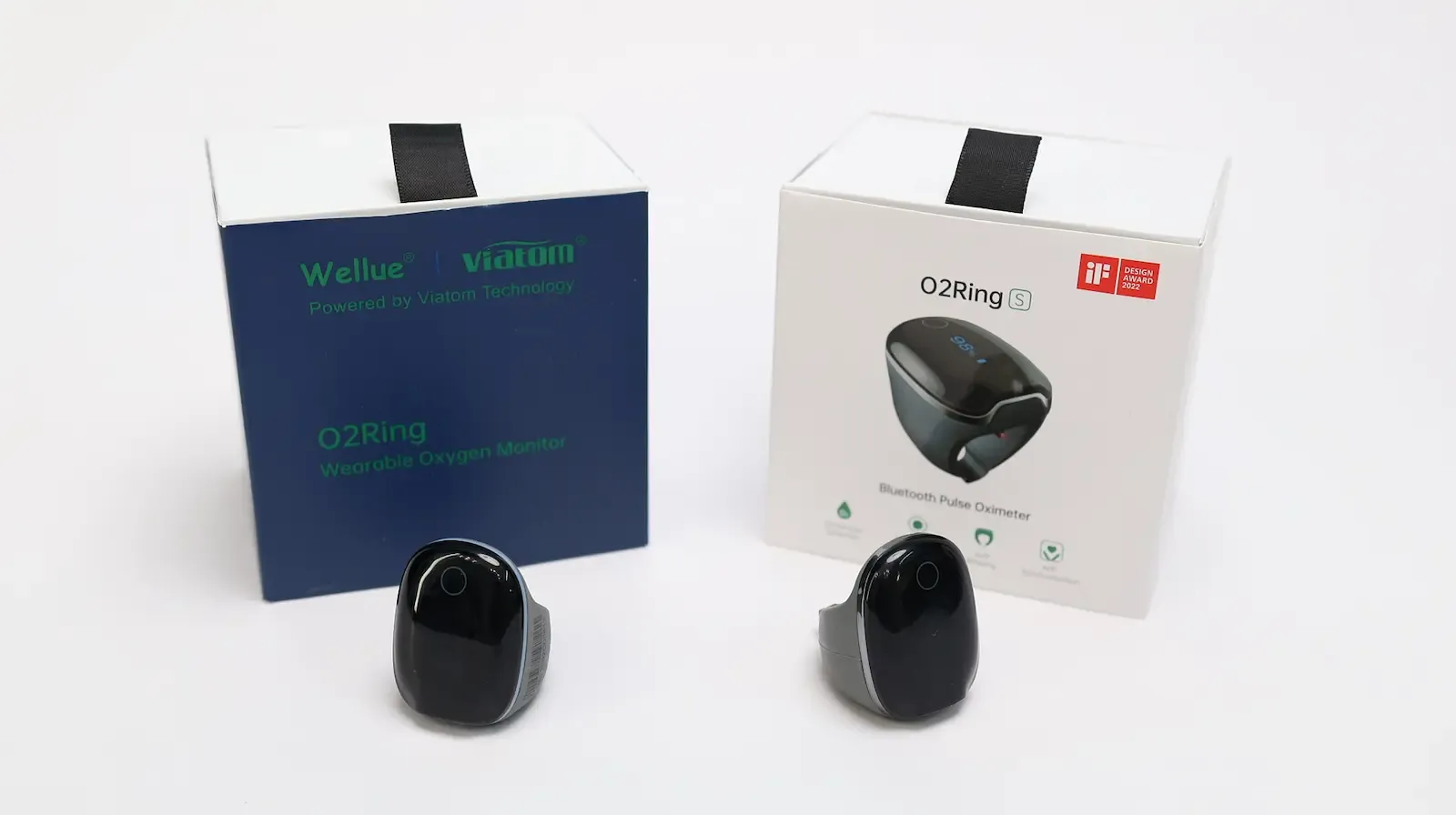
The Wellue O2Ring S records at a true 1-second interval where the original exports at 4 seconds. It also reads higher of the two rings, which is why it scores a hair lower.
If none of those is you, the honest answer is that you do not need a Wellue. See the best overnight pulse oximeters roundup.
How I Tested
Across the whole project that added up to roughly 480 hours of wearing these things to bed. There is no shortcut. A spec sheet will not tell you which sensor still hurts at 3am.
Here is what that looks like on the device I ended up recommending. Three nights, plotted as its gap from the Nonin second by second.
How to Read this Chart
Think of each line as one night’s report card.
- The Center Line (0): A perfect score. At that moment the device matched the hospital-grade Nonin exactly.
- The Green Band (+2 /-2): The guard rails. Hospital oximeters are themselves allowed a ±2-point tolerance, so as long as a line stays inside the band, the device is tracking the medical equipment as closely as medical equipment tracks itself.
- The Night Buttons: Each colored line is one full night. Tap a night above the chart to view it on its own — the Bias, Within ±2, and Worst Moment boxes below recalculate live for whatever you’re looking at.
- The Takeaway: Notice how the lines spend almost the entire night inside the band. That’s what reliability looks like.
The Five, One at a Time
Checkme O2 Max: the one I would buy (90.7/100)
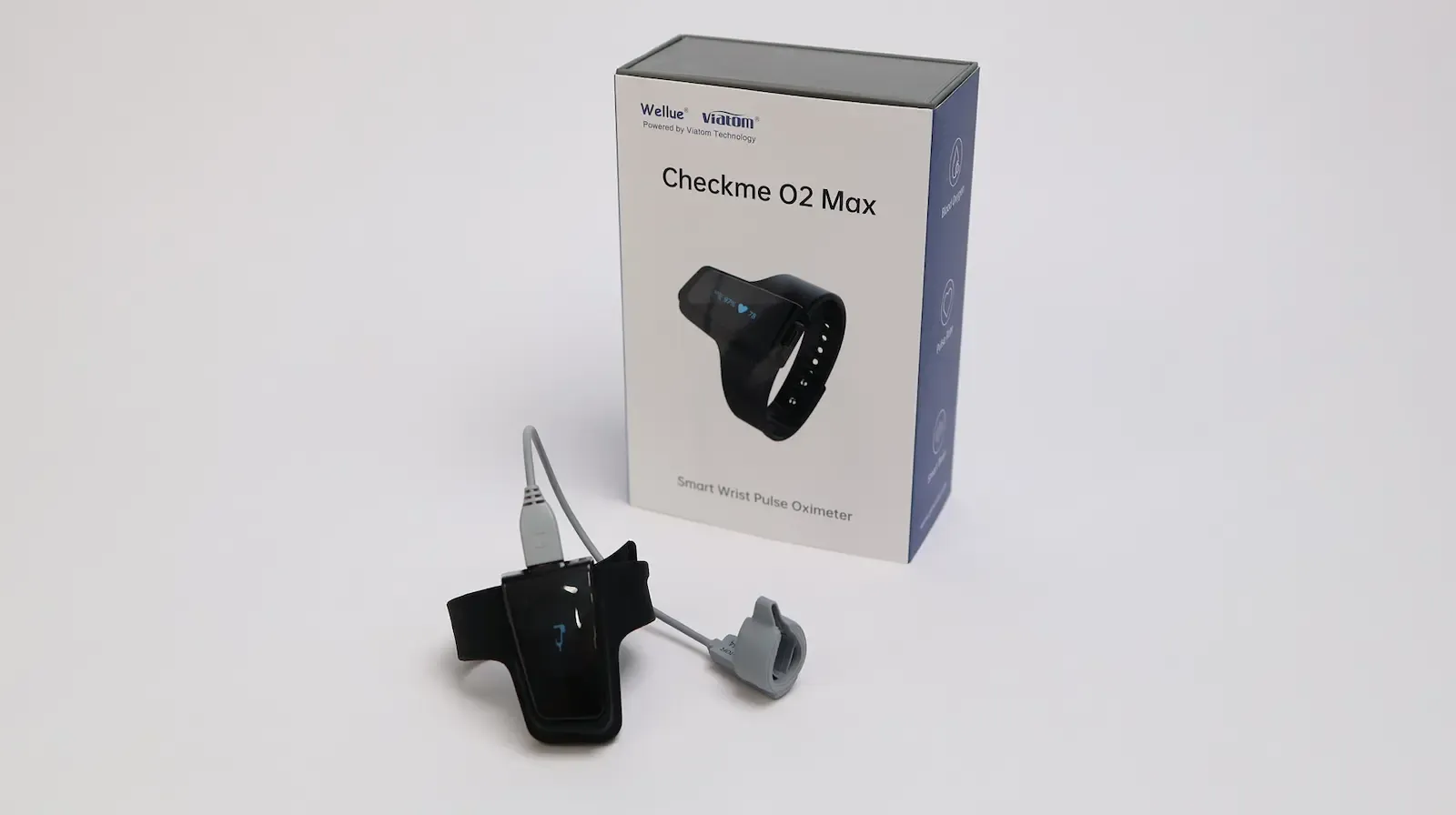
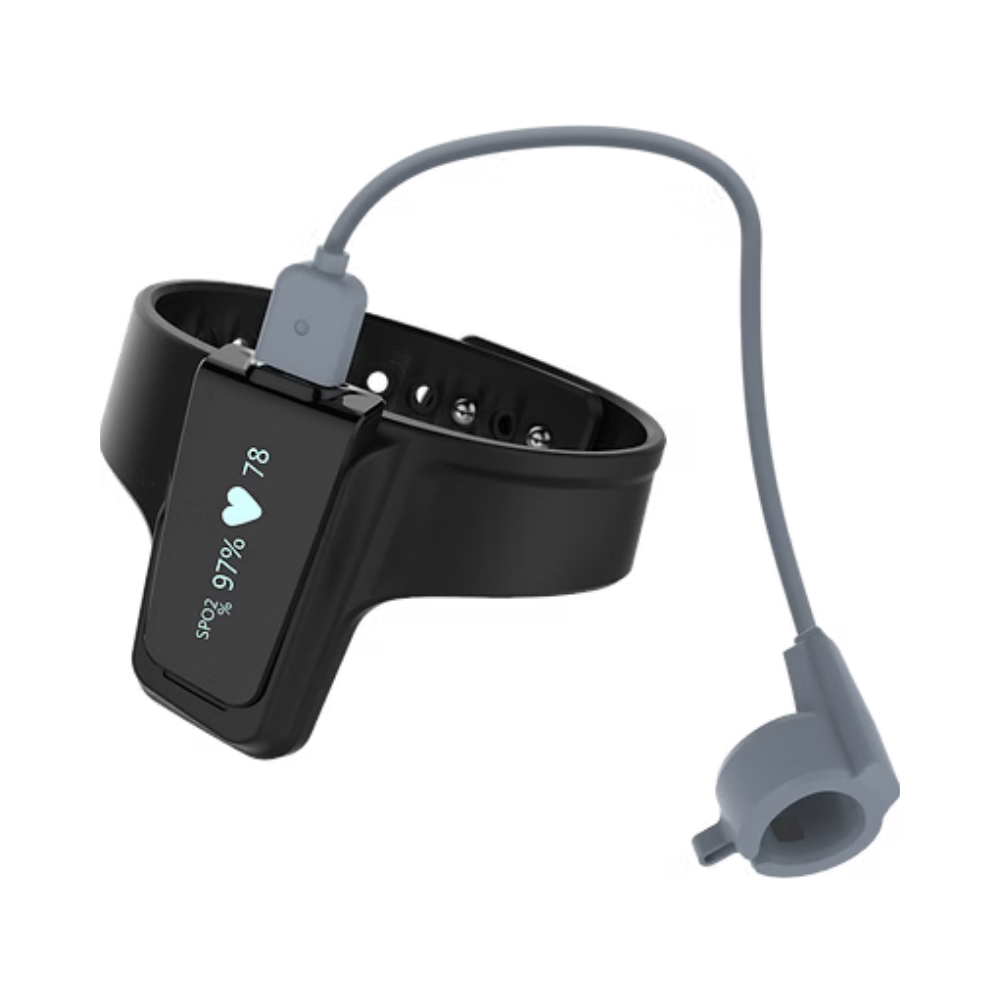
The most accurate Wellue I tested, and the one carrying the clearance the others were built on: Viatom’s K191088. A +0.2% bias against the Nonin and agreement inside 2 points for 99.6% of the night.
It is a wrist unit with a soft sensor at the base of your finger, so it is bigger than a ring and comfort lands at 7/10. What you get for that bulk is a 72-hour battery and a CSV that imports into OSCAR without cleanup.
The sensor placement is the underrated part. Plenty of the oximeters I tested clamp the fingertip and leave it throbbing by 3am. This one sits at the base of the finger, where the pressure is lower and you can still curl your hand.
Full numbers, three nights of charts, and the honest limits in my Checkme O2 Max review. If you have already decided, the Checkme O2 Max is here.
WELLUE · THE PICK
Checkme O2 Max
The accuracy pick and the one carrying the clearance the rest were built on. 90.7, +0.2% bias, 72-hour battery, OSCAR-ready export. Comfort 7/10.
Wellue O2Ring: the most comfortable (81.7/100)
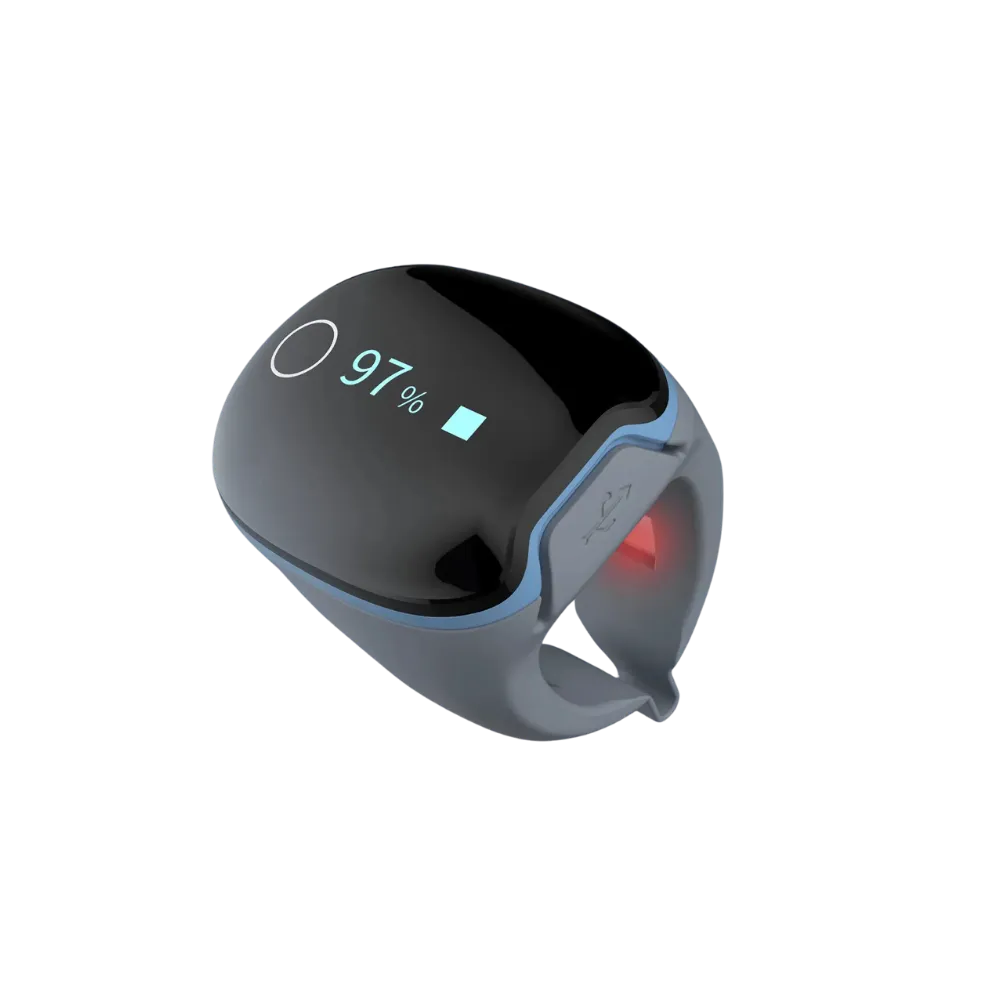
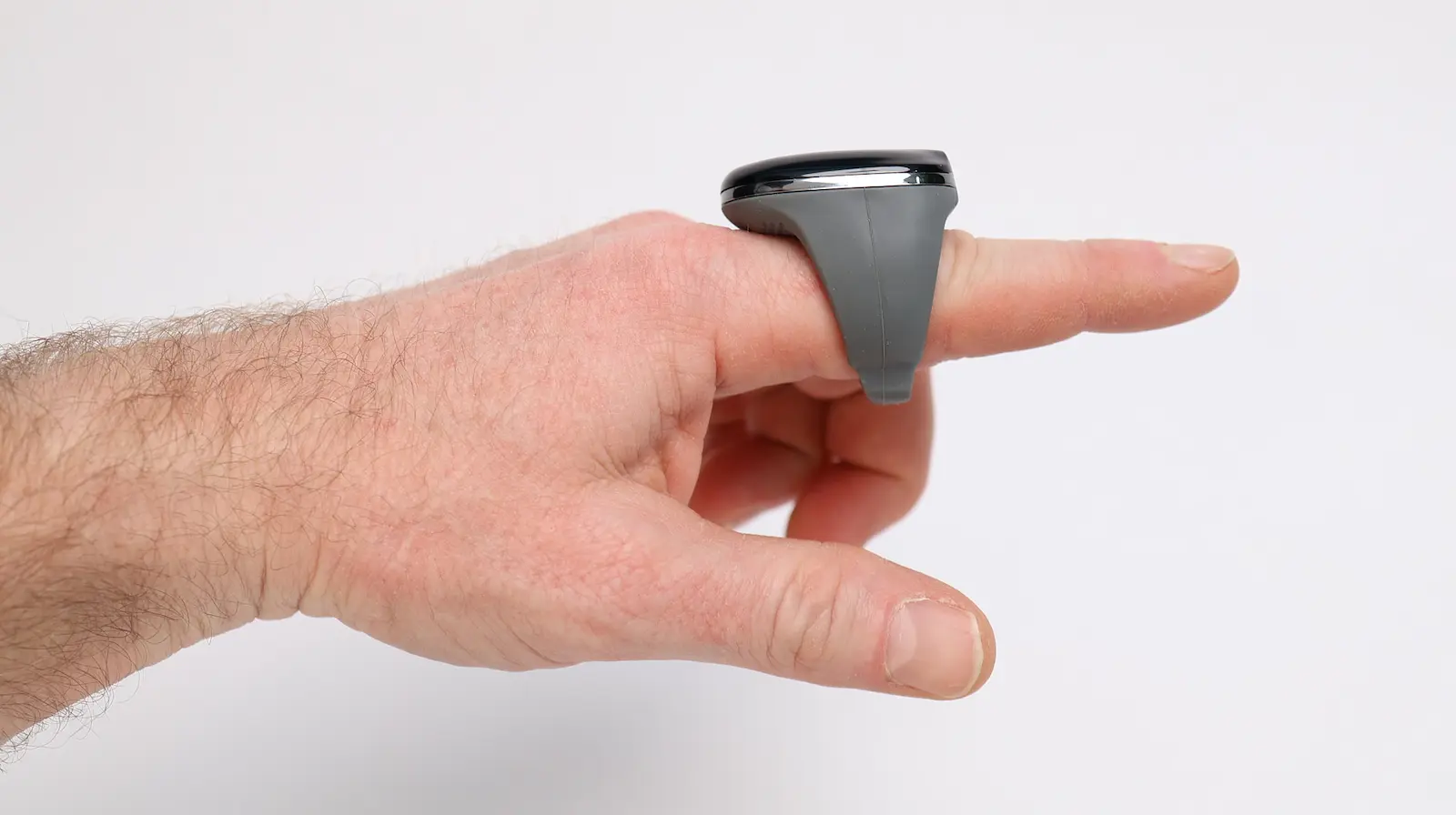
The best-feeling overnight device I have worn, full stop. The band mounts from the sides so the ring sits low on the finger, and most nights I forgot it was on. Comfort 10/10, and its steady-state accuracy is genuinely good at +0.7% bias and 99.1% agreement.
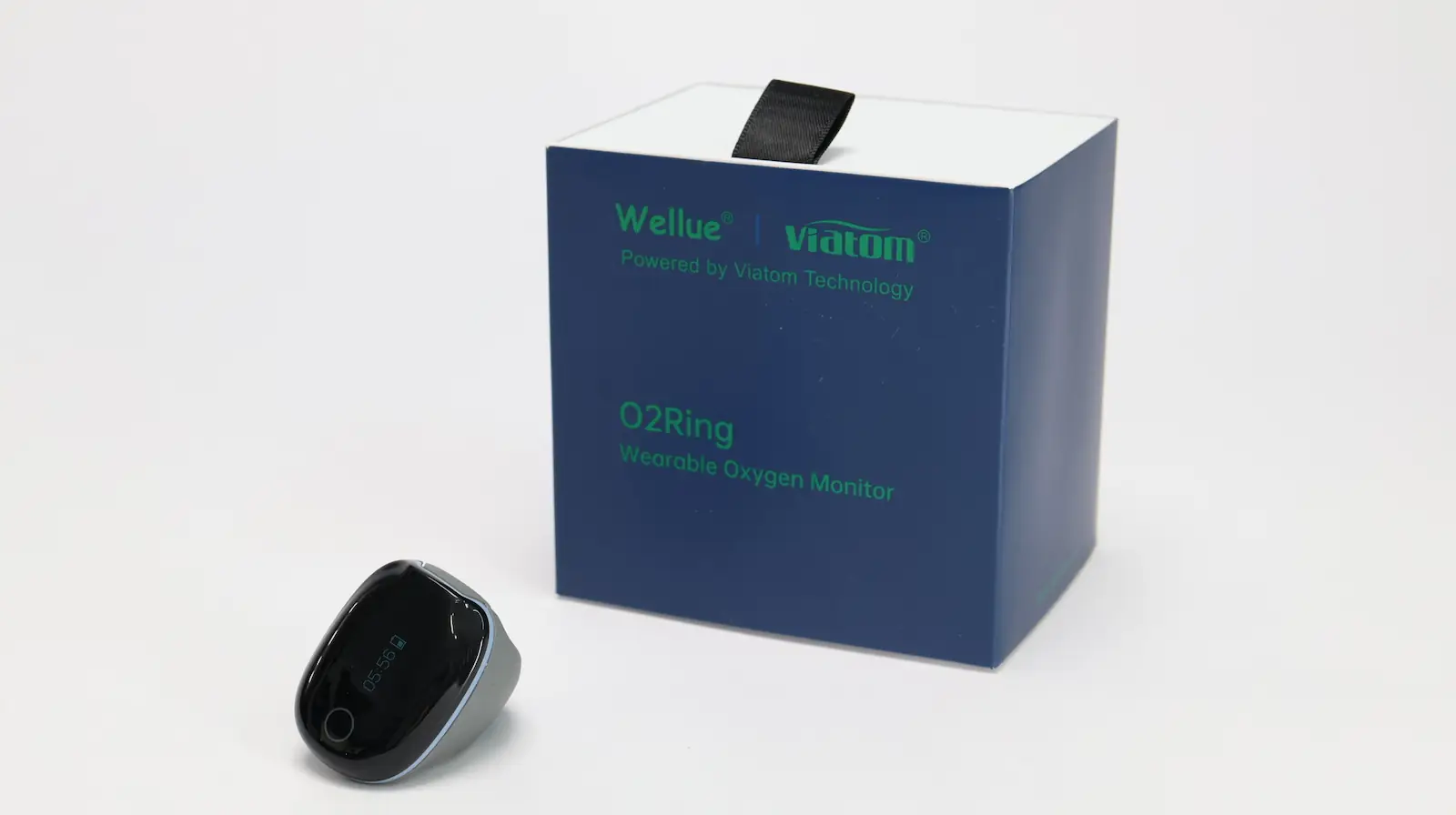
Where it gives ground is short events. The Nonin counted 2.1 brief 3% dips an hour and the O2Ring logged 0.5 of them, so roughly a quarter. Its 4-second export rounds off the fastest drops.
It is an overview device, and a lovely one. The full O2Ring review has the charts, and the O2Ring is here if the fit is what you are after.
WELLUE · MOST COMFORTABLE
Wellue O2 Ring
A flat 10/10 to wear and the lowest-profile device here. Accurate at rest at +0.7% bias, but its 4-second export logs about a quarter of the briefest dips. Buy it for trends, not for events.
Checkme O2 Ultra: the battery king (87.3/100)
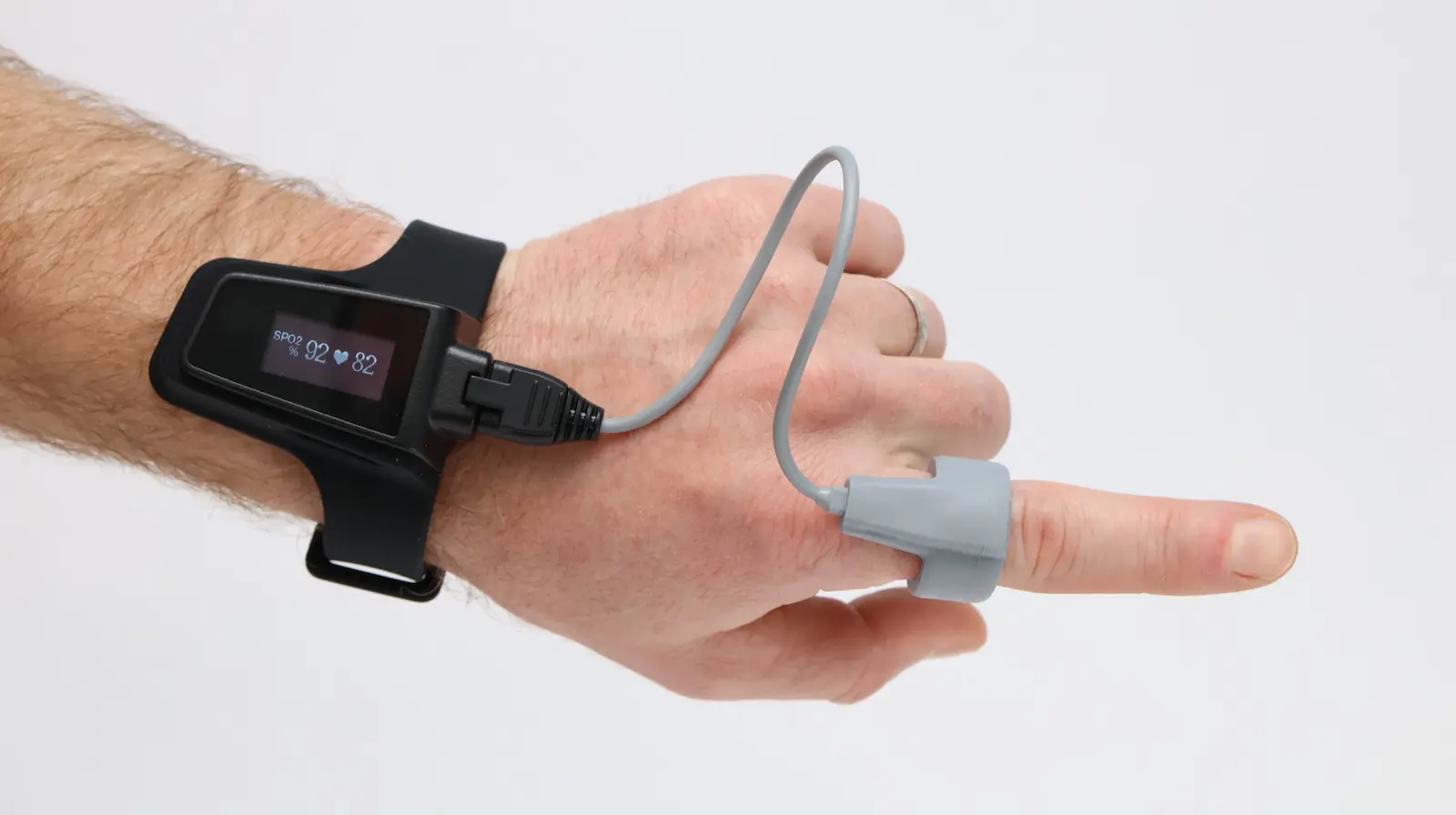
Same +0.2% bias as the O2 Max and 99.0% agreement, in a slightly chunkier body that buys you past 100 hours of recording and four 12-hour sessions of on-device memory. The magnetic snap charger is the nicest charging solution in the lineup.
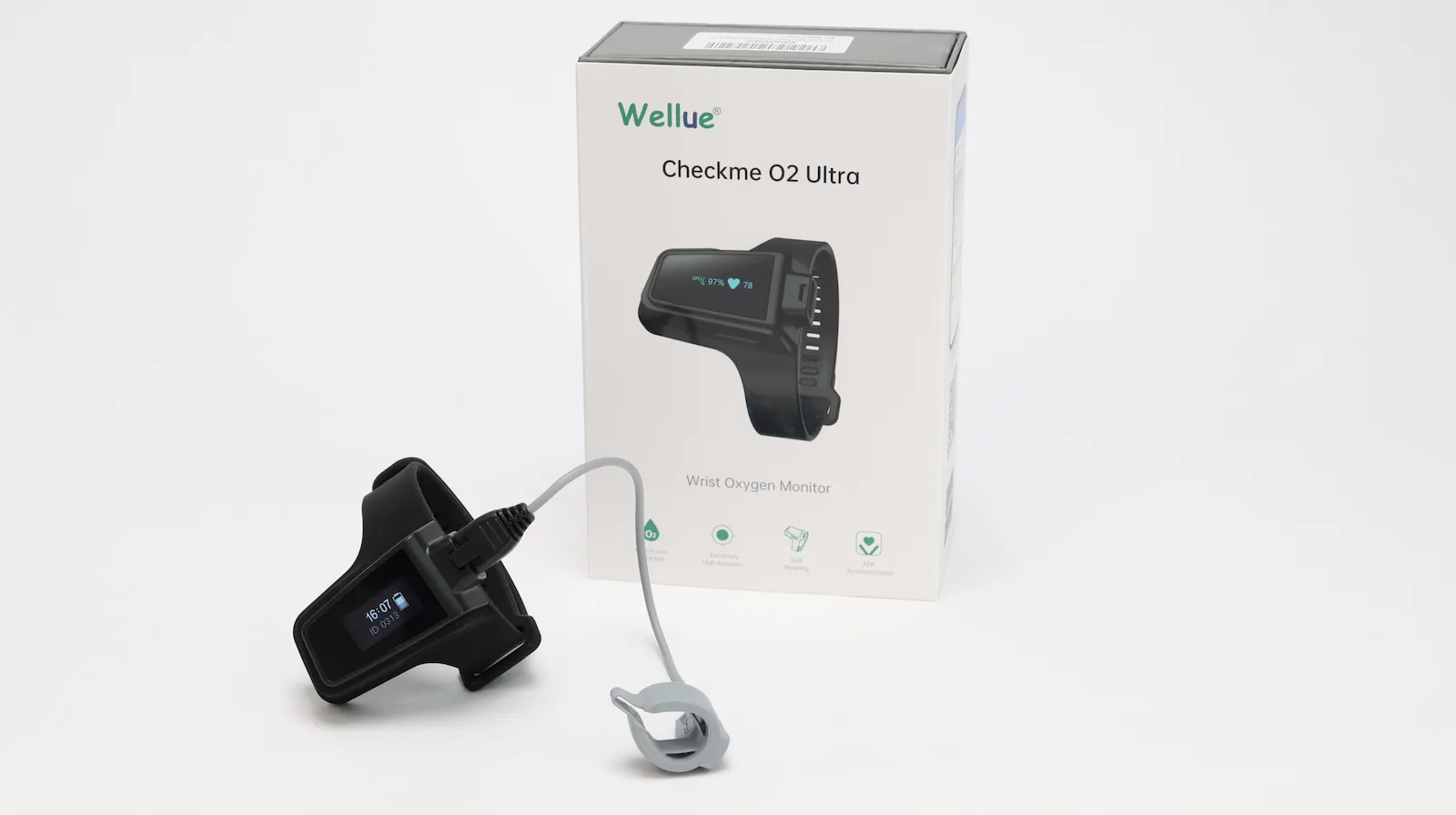
It smooths more of the sharp dips than the O2 Max does. It also records once per second, four times the resolution of the O2 Max, which makes a neat point: resolution and accuracy are not the same thing.
If you are monitoring across several nights rather than scrutinising one, that trade is worth making. The Checkme O2 Max vs O2 Ultra comparison has both sets of charts, and the Checkme O2 Ultra is the one to get.
WELLUE · BEST BATTERY
Wellue Checkme O2 Ultra
Matches the pick’s +0.2% bias and runs past 100 hours with a magnetic snap charger. Records once per second, four times the pick’s resolution, and still scores lower.
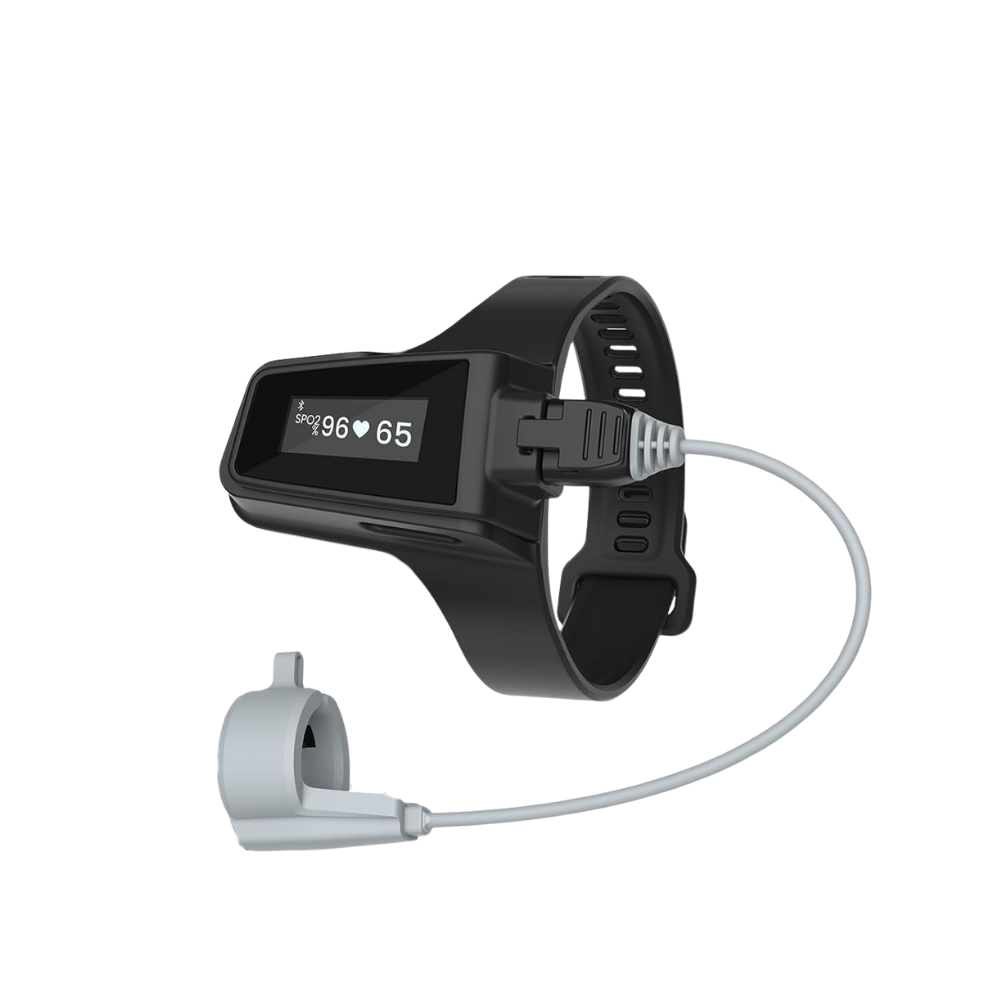
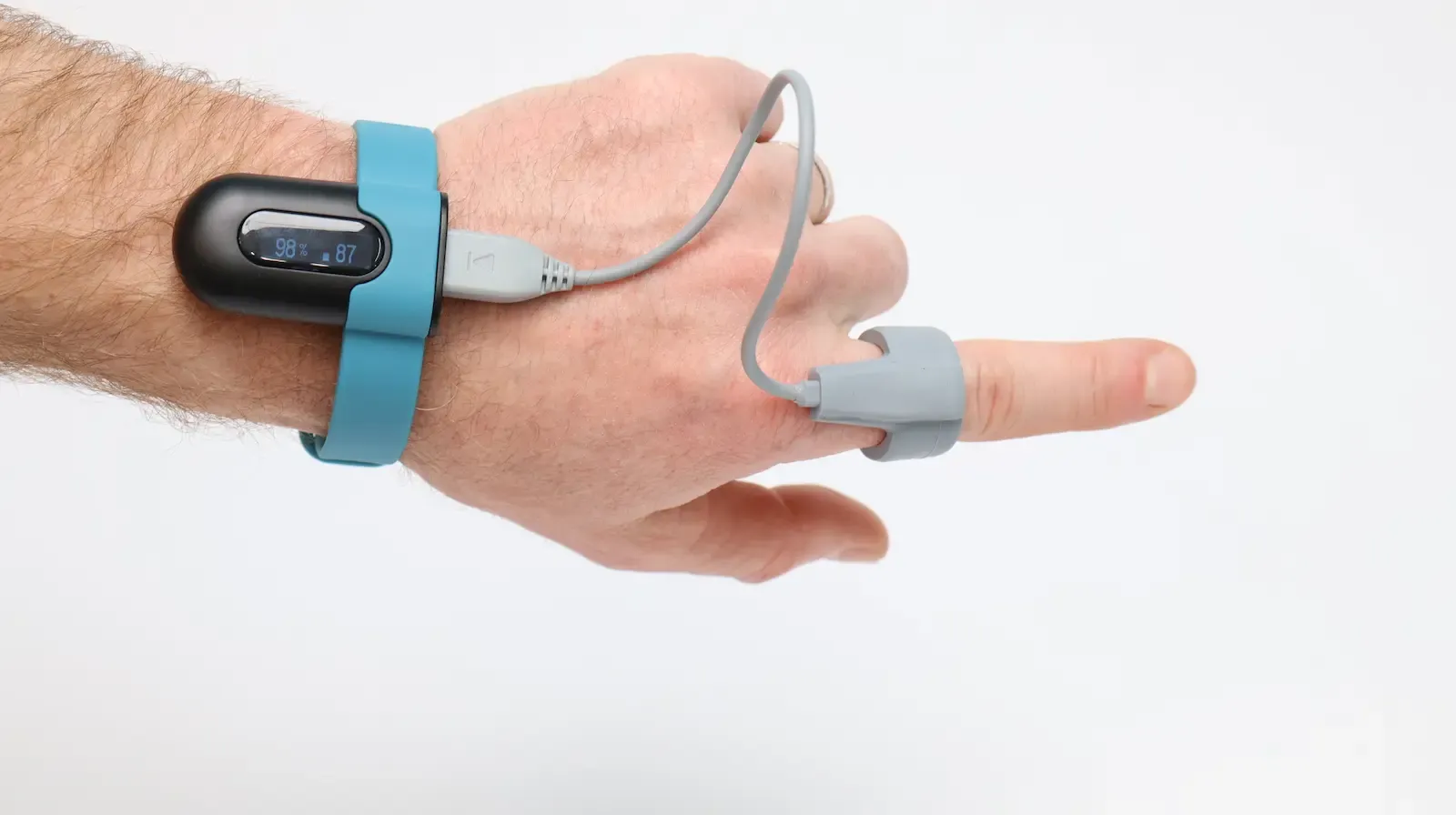
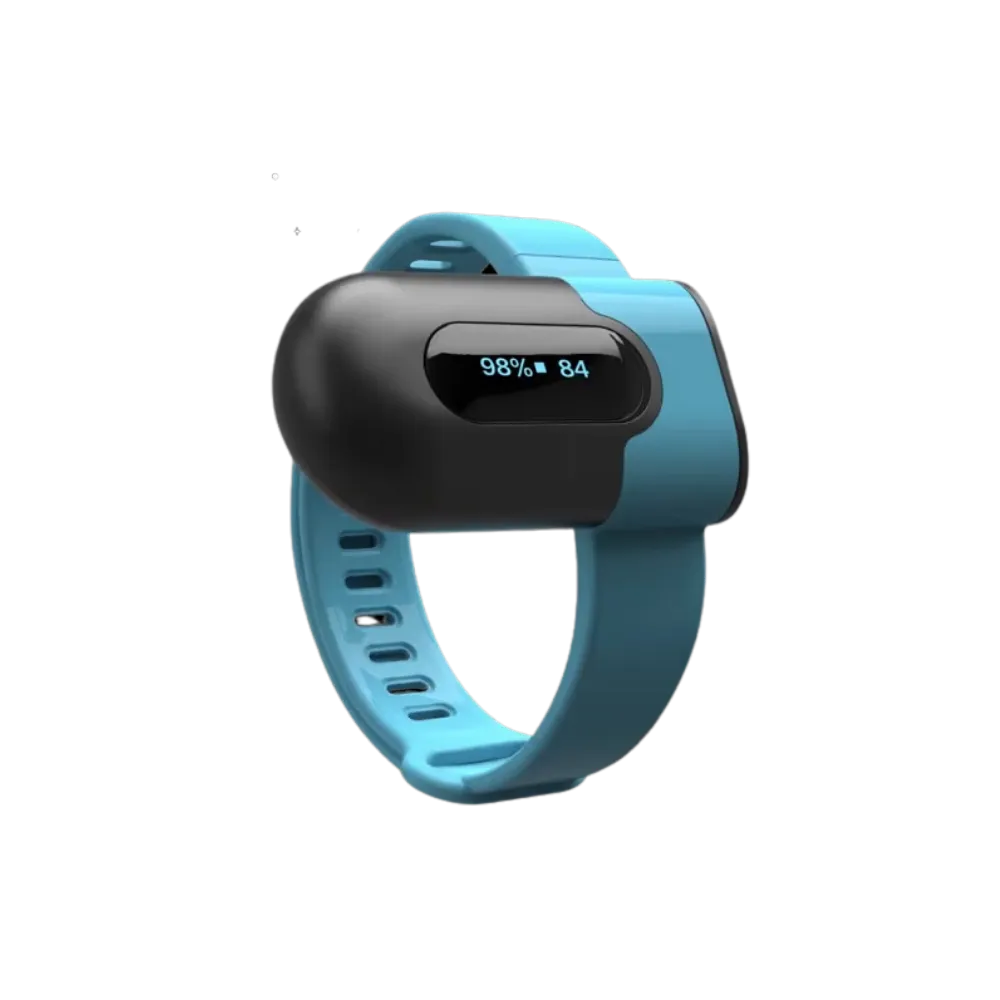
Wellue SleepU: comfortable, but read this first (87.8/100)
The SleepU is light and easy to sleep in at 9/10 comfort, 31g against the older wrist units at 56g, with no buttons to learn. It also posted the lowest agreement of anything in the lineup at 70.1% and the largest bias at +1.9%. It reads high, consistently.
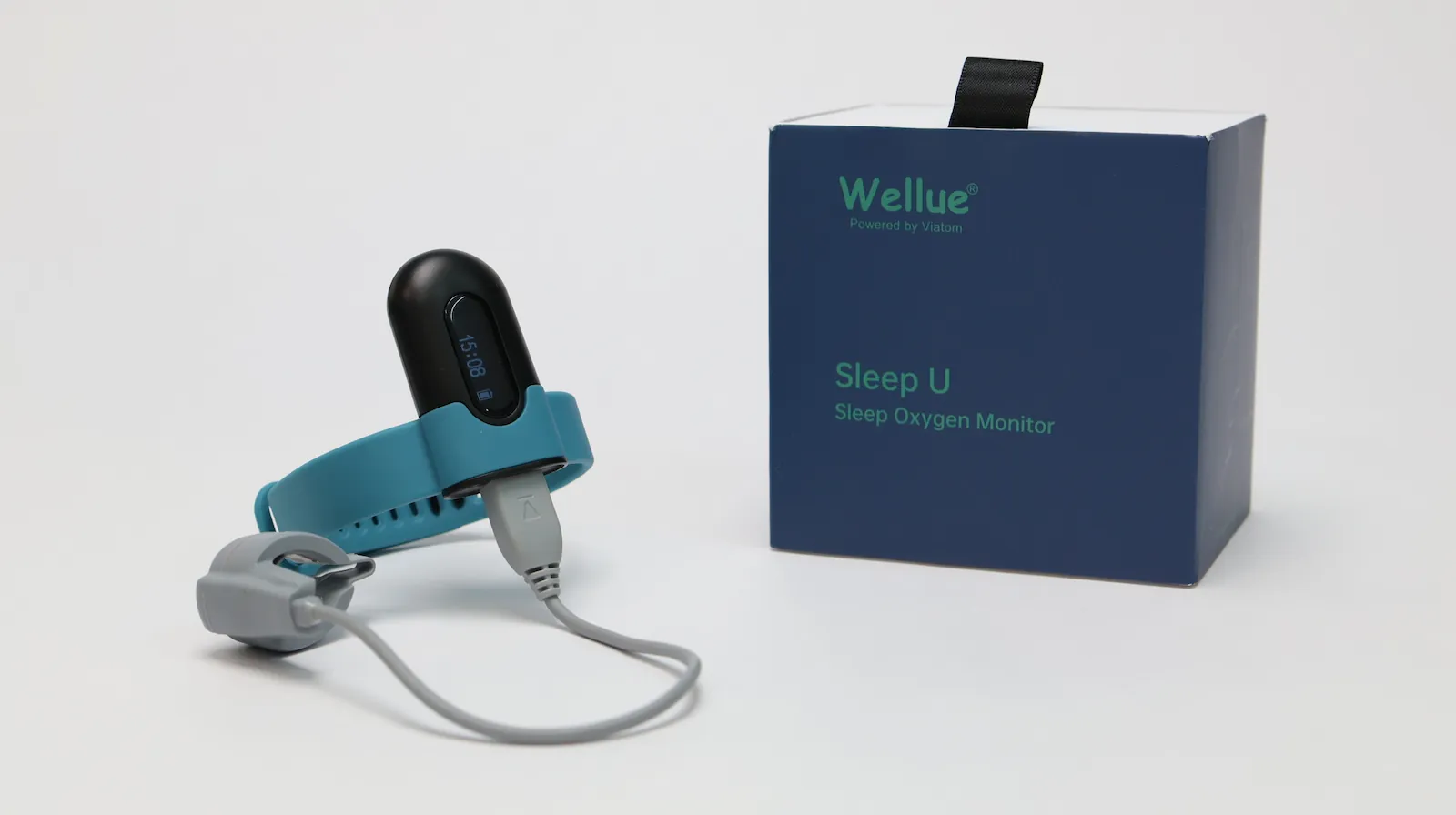
One small annoyance worth knowing: it fires off a bright blue light when you first switch it on. It is brief, but it is bright, and it is the last thing you want at the moment you are trying to fall asleep.
That combination is why its score flatters it. Third on points, last on the measure I weight second-hardest.
It is also the hardest one to actually buy, because it is not stocked on Amazon. If you want this exact hardware, the Vibeat OxyU is the identical device under a different name and it is on Amazon.
WELLUE · TESTED, NOT RECOMMENDED
Wellue SleepU
The lightest wrist unit at 9/10 comfort, and the weakest signal in the lineup at 70.1% agreement and +1.9% bias. The Vibeat OxyU is the identical hardware and is.
Wellue O2Ring S: the 1-second ring (81.1/100)
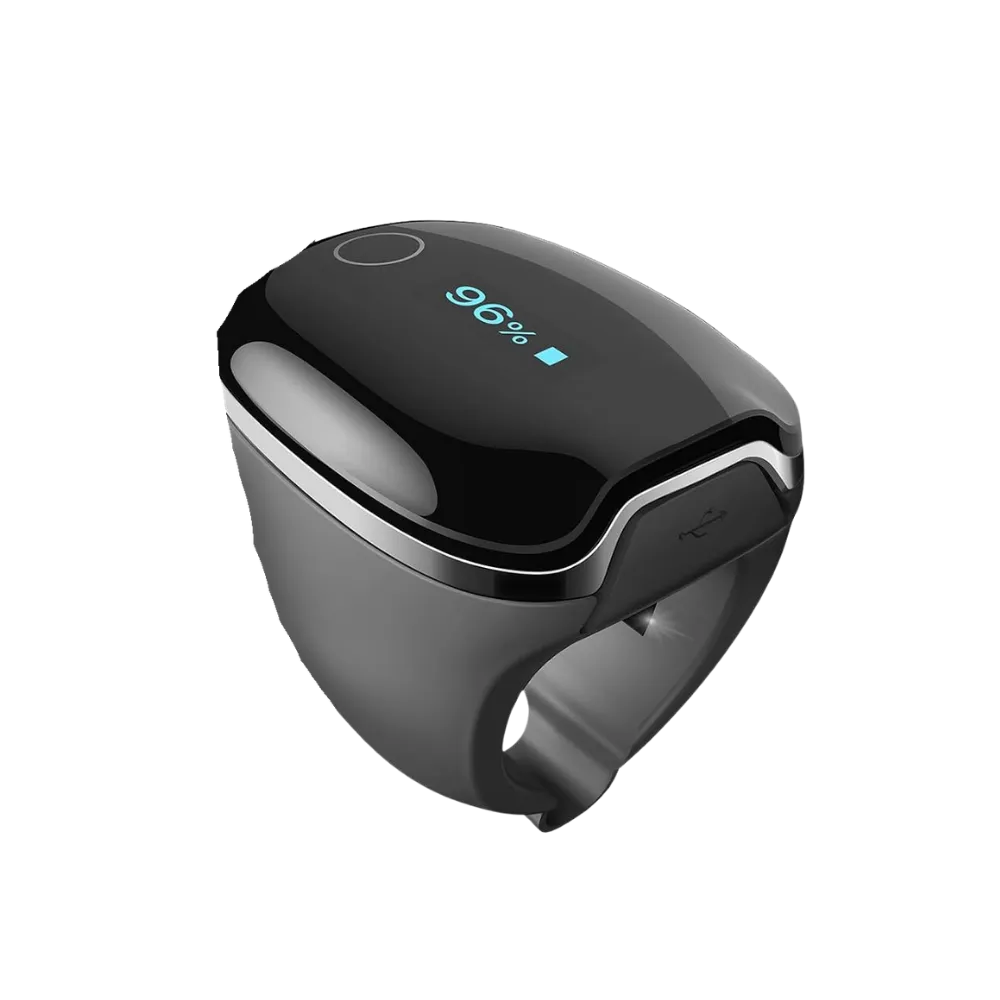
Physically the same wearing experience as the O2Ring at 10/10, effectively invisible. The real upgrade is the recording interval: the app lets you choose a true 1-second sample where the original exports at 4 seconds, and I tested it at 1 second.
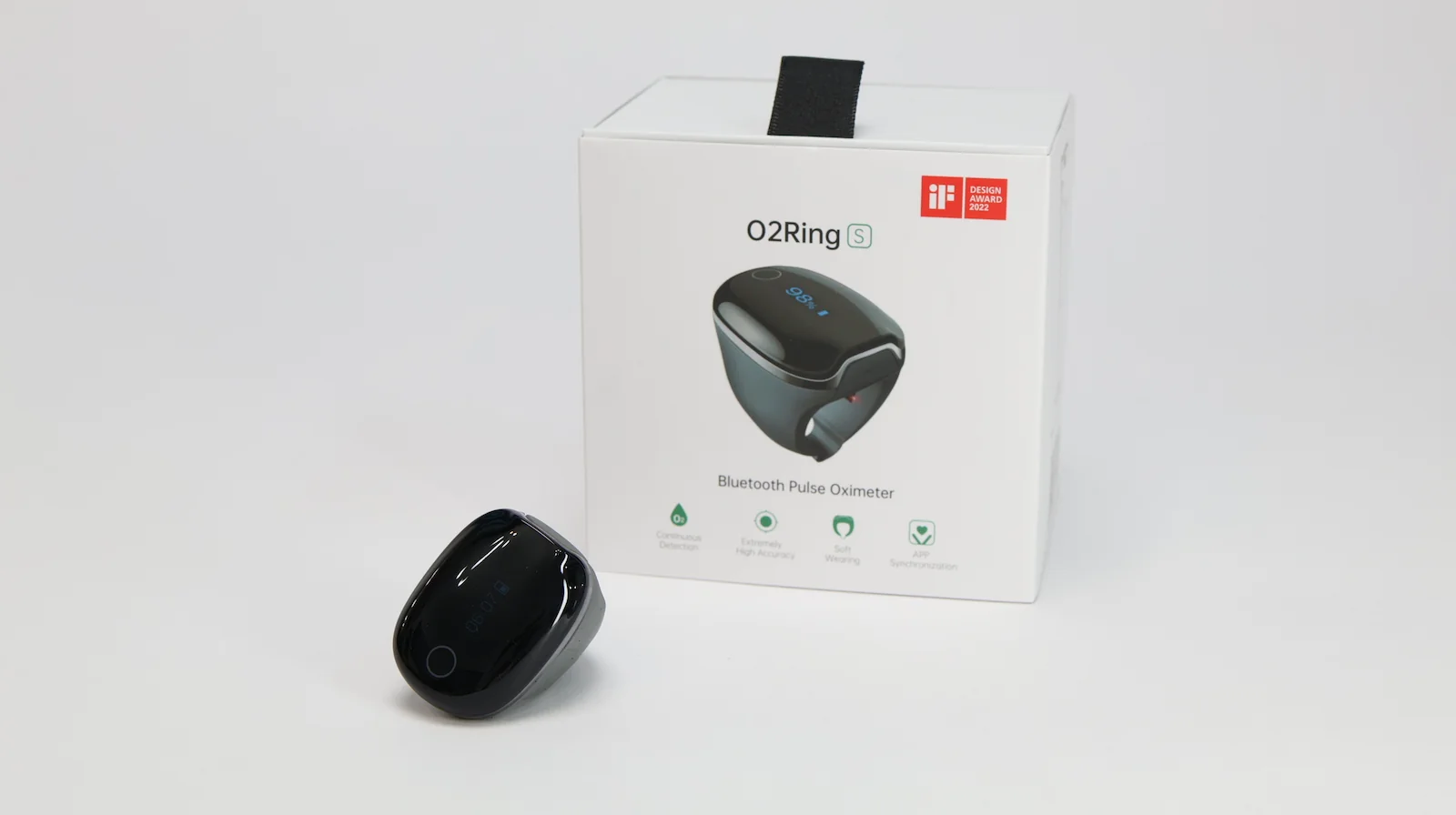
It reads slightly higher than the original at +1.0% against +0.7%, which is why it lands a fraction lower. If the 1-second data is what you are after, the O2Ring S is the ring to get.
WELLUE · SHARPEST RING DATA
Wellue O2Ring S
The O2Ring’s wearing experience with a true 1-second sample and USB-C. Reads a shade higher than the original at +1.0% bias, which is why it lands a fraction lower.
What the Scores Actually Mean
The scores on this page measure one thing: how closely each device tracked a hospital reference on my wrist, across three nights. They do not measure how a device feels at 3am, what it costs, or whether its app is any good.
The Overall O2 Score is calculated by the following weights: 40%: ODI Accuracy (3% and 4% combined) 30%: Signal Stability (FDA-style ±2% agreement) 20%: Nadir Accuracy 10%: T90 Accuracy.
Those things decide what I actually recommend as much as the number does. The clearest example is on this page.
The O2Ring scores 81.7 and the SleepU scores 87.8, but the O2Ring is the one I would hand a friend who wants a ring. A device you will actually wear all night beats one you will not.
It varies more across the lineup than the brand suggests. Agreement with my hospital reference ran from 99.6% on the Checkme O2 Max down to 70.1% on the SleepU, and average bias ran from +0.2% to +1.9%.
All five read high rather than low, which matters: a device that reads high is the one that can hide a desaturation. Steady-state accuracy is good across the board. Catching brief dips is where they separate.
Still deciding across brands rather than inside one? The best overnight pulse oximeters roundup ranks the whole field, and the continuous oximeter database puts every spec side by side.
WELLUE · THE ONE TO BUY
Checkme O2 Max
The accuracy pick and the one carrying the clearance the rest were built on. 90.7, +0.2% bias, 72-hour battery, OSCAR-ready export. Comfort 7/10.
Frequently Asked Questions
Common questions about Wellue Pulse Oximeters
Keep reading
 Pulse Oximeters
Best Overnight Pulse Oximeters for Sleep Apnea (Lab Tested)
 Pulse Oximeters
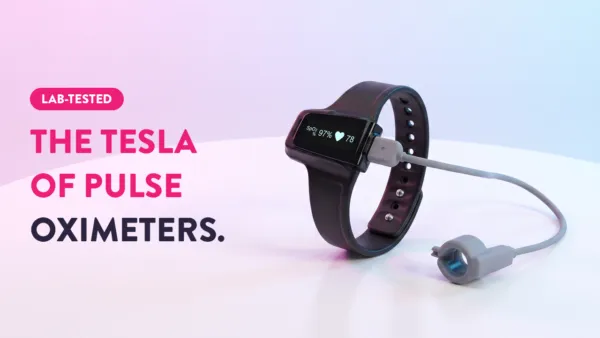
Checkme O2 Max Review: I Tested It for 3 Nights Against a $1,500 Hospital Oximeter
 Pulse Oximeters
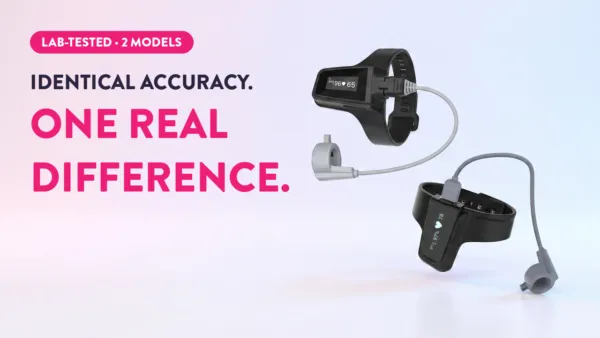
Checkme O2 Max vs O2 Ultra: I Slept in Both Against a $1,500 Hospital Oximeter
 Pulse Oximeters