
🔑 Key Takeaways
- No baby monitor prevents SIDS. No consumer sock, camera, or breathing pad has been shown to reduce SIDS deaths, and the American Academy of Pediatrics does not recommend them for that purpose. A monitor is an awareness tool for your own peace of mind; the real risk reduction comes from safe-sleep basics and a layered system.
You came here for a straight answer, so here it is: do baby monitors prevent SIDS? No. No consumer monitor, whether it’s a sock, a camera, or a breathing pad, has been shown to reduce SIDS deaths, and the American Academy of Pediatrics’ 2022 safe-sleep policy does not recommend them for that job.
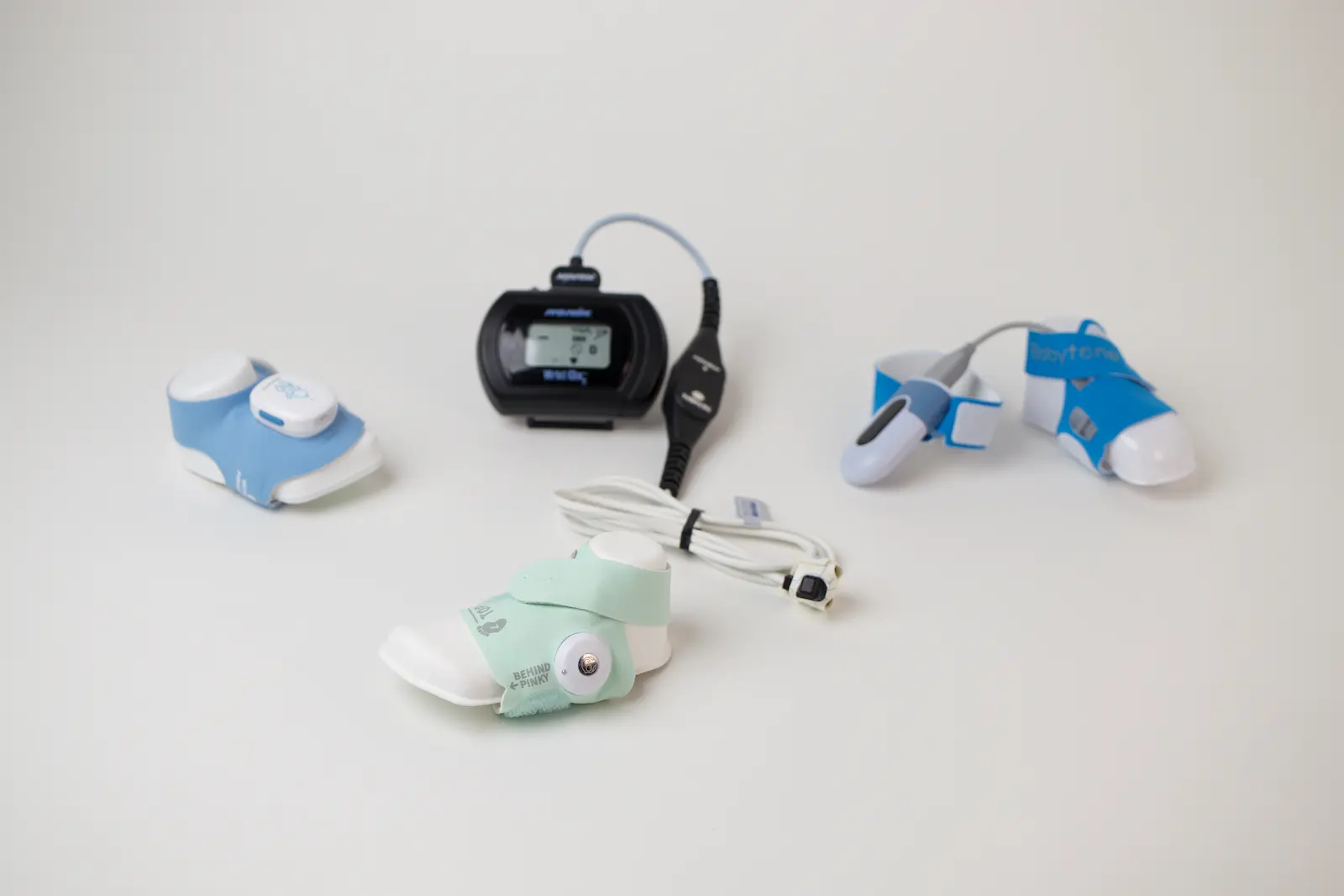
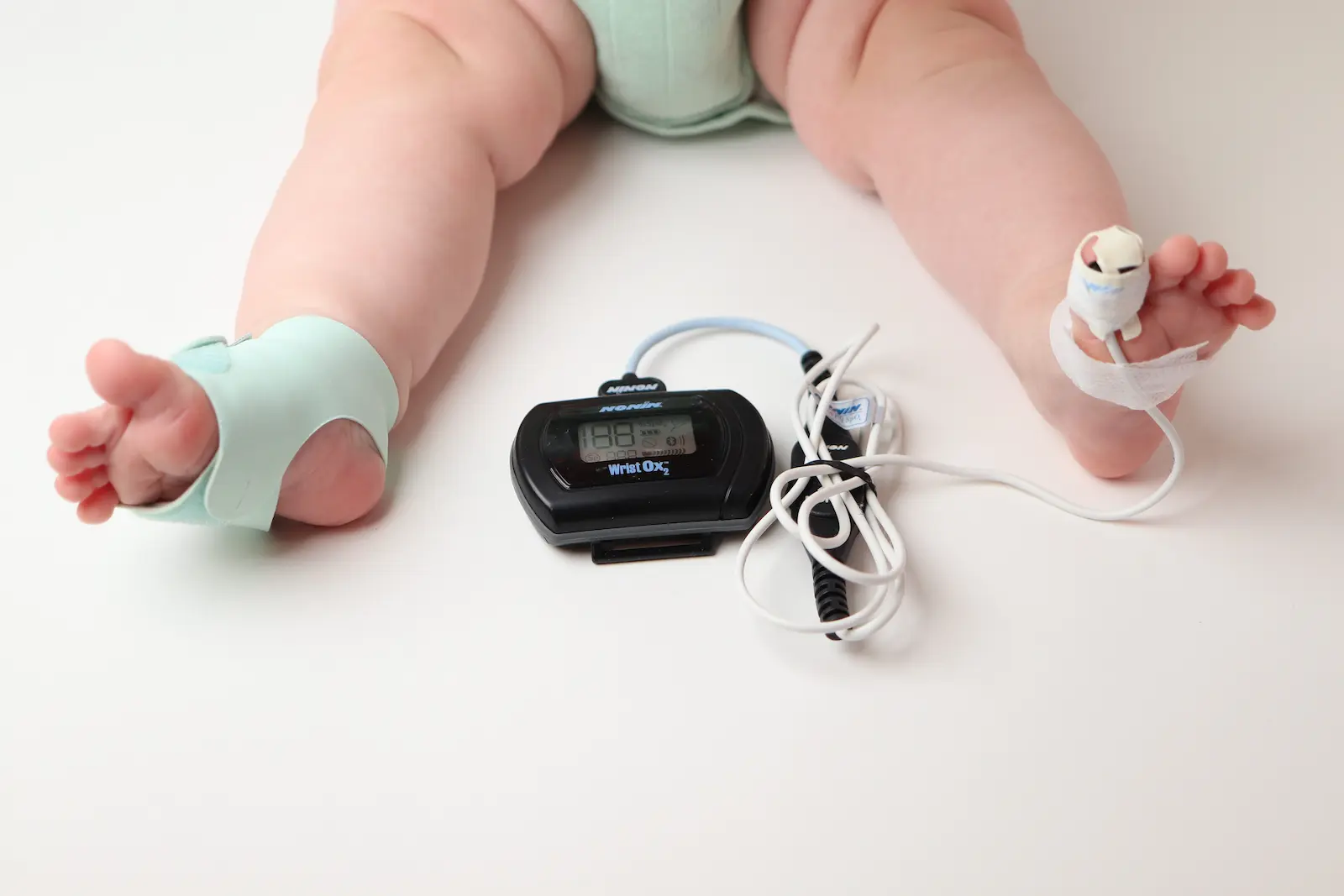
I’m a dad who bought these devices, strapped a $1,500 hospital-grade Nonin oximeter next to them on my own baby, and ran the numbers. So this isn’t a scare piece and it isn’t a sales pitch.
It’s the honest picture: what a monitor actually does, what it can’t do, and the research-backed things that genuinely lower the risk.
The Honest Answer
Consumer monitors track your baby’s heart rate and oxygen and alert you when a reading crosses a threshold. That’s genuinely useful. It is not the same thing as preventing SIDS.
Free · 95 pages
You’re reading about one piece of this. The book is the whole day.
The Circadian Blueprint covers setting your body clock with light — the timing, the doses, and which products actually deliver them. Every number came off my own spectrometer.
Check your inbox to confirm. Plus a short note each month on what I’ve tested — unsubscribe anytime.
The AAP is blunt about this. Its 2022 policy, from SIDS researcher Dr. Rachel Moon, tells parents plainly: “Don’t use home cardiorespiratory monitors as a way to reduce the risk of SIDS”, because “there is no evidence that these devices … decrease SIDS risk.”
Read that carefully. The AAP isn’t saying a monitor is forbidden. It’s saying don’t treat it as your SIDS strategy, and don’t let it replace the things that actually work.
What SIDS Actually Is
SIDS, sudden infant death syndrome, is the sudden death of a baby under one year old that stays unexplained after a full investigation. It sits inside a bigger bucket the CDC calls SUID, sudden unexpected infant death, which also covers accidental suffocation and deaths from unknown causes.
The numbers, from CDC data, for 2022:
- About 3,700 sudden unexpected infant deaths in the U.S.
- 1,529 of those were SIDS.
- 1,040 were accidental suffocation or strangulation in bed, and 1,131 were from unknown causes.
Age matters here. Per the NIH’s Safe to Sleep program, about 90% of SIDS deaths happen before six months, and the risk peaks between one and four months of age. That’s the window parents are most anxious about, and it’s exactly where honesty matters most.
Why a Monitor Can’t Prevent It
Here’s the part the marketing skips. Even a perfectly accurate monitor is reactive. It can only alarm after your baby’s oxygen has already dropped, which means the protective mechanism has already failed. Having the proactive and reactive layers is the best best close loop safety system.
Researchers who study SIDS think it involves a failure of the arousal and autonomic reflexes that normally wake a baby and restore breathing when something goes wrong, as reviewed in this 2018 paper in Clinical Autonomic Research. A sock on the foot doesn’t fix that reflex. It just tells you, a beat later, that the reading changed, which is better than not knowing.
Accuracy is the other problem. In a 2018 study in JAMA, researchers tested the two smartphone baby monitors on the market then, the original Owlet Smart Sock 2 and the Baby Vida, against a hospital oximeter.
One important caveat, because I don’t want to mislead you. That study used the old Owlet, not today’s FDA-cleared Dream Sock. Owlet has since redesigned the hardware and cleared FDA review, so those specific accuracy findings don’t describe the current device.
But the takeaway survives the redesign. Early consumer monitors performed inconsistently, and even a more accurate reading still isn’t prevention. Better hardware tells you sooner that oxygen fell; it doesn’t stop the fall.
The Pillars of Safety
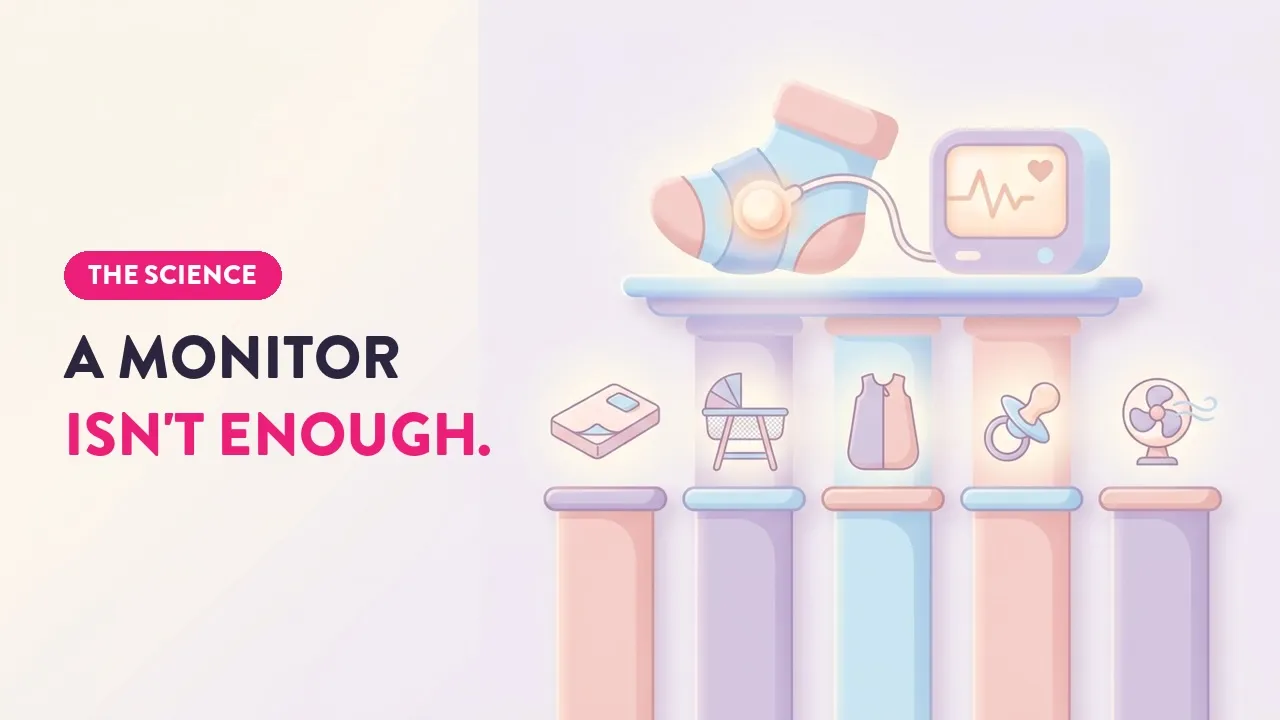
If a monitor is the awareness layer, these are the layers that assist in moving the risk. Every one is backed by the AAP’s 2022 review or a named study. This is where I’d also put your energy and your money; building a layered safety system.
Think of it as five pillars:
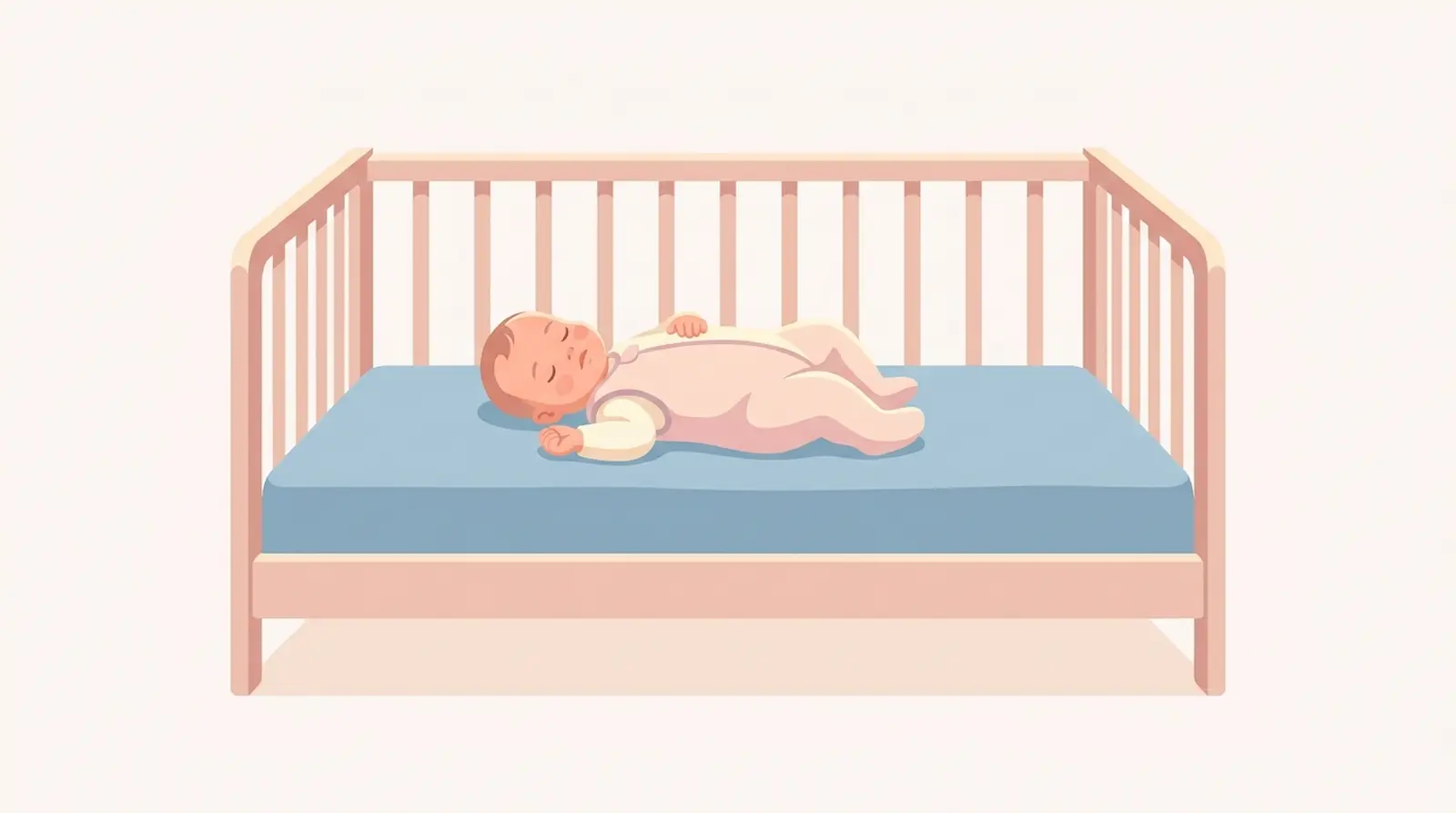
- A firm, flat sleep surface
- Room-sharing without bed-sharing
- A sleep sack instead of loose bedding
- A pacifier at sleep
- A cool room, not an overheated one
Firm, flat sleep surface
The AAP says to use a firm, flat sleep surface that doesn’t indent when the baby lies on it, in a crib or bassinet that meets federal safety standards. Soft or inclined surfaces raise the suffocation and rebreathing risk. A firm crib mattress like the Newton Original or Naturepedic Organic Breathable is the simplest way to get there.
Room-share, don’t bed-share
The AAP recommends keeping the baby’s sleep space in your room, but not in your bed, for at least six months. It says room-sharing can lower SIDS risk by as much as 50%. A bedside bassinet like the Halo BassiNest or Chicco Close to You SE keeps the baby at arm’s reach without sharing the mattress.
Sleep sack, not loose blankets
The AAP says to keep soft objects and loose bedding out of the sleep area, since blankets, pillows, and bumpers add entrapment and suffocation risk. If you’re worried about cold, it suggests a wearable blanket instead. A sleep sack like the HALO SleepSack or Burt’s Bees Beekeeper does the job without anything loose in the crib.
A pacifier at sleep
This one surprises people. The AAP says offering a pacifier at nap and bedtime helps reduce SIDS risk, even if it falls out after the baby is asleep. If you’re breastfeeding, wait until that’s established first. A pacifier like the Philips Avent Soothie or MAM Perfect is an easy, genuinely protective habit.
Keep the room cool
Overheating is a known risk factor; the AAP says not to let the baby get too warm. A 2008 case-control study in the Archives of Pediatrics & Adolescent Medicine found fan use during sleep was associated with a lower SIDS risk. A quiet tower fan like the DREO keeps the air moving and the room cool.
Where a Monitor Honestly Fits
The AAP itself says it’s fine to use one if you want to, as long as you don’t lean on it instead of safe sleep.
Where a monitor earns its place is honest and narrow: it may help you notice a change overnight, and it can buy a nervous parent some sleep. That’s a real benefit. Just name it correctly, reassurance, not protection.
If you decide a monitor is worth it for peace of mind, I’ve done the testing to help you choose. My guide to the best infant pulse oximeter ranks the ones I measured against a hospital reference, and my Owlet Dream Sock review covers the one most parents ask about.
Get the foundation right, and let a monitor be the reassurance that sits on top. Wishing you and your little one safe, restful nights — and a lot less worry. Sleep well, my friends.
Frequently Asked Questions
Common questions about