

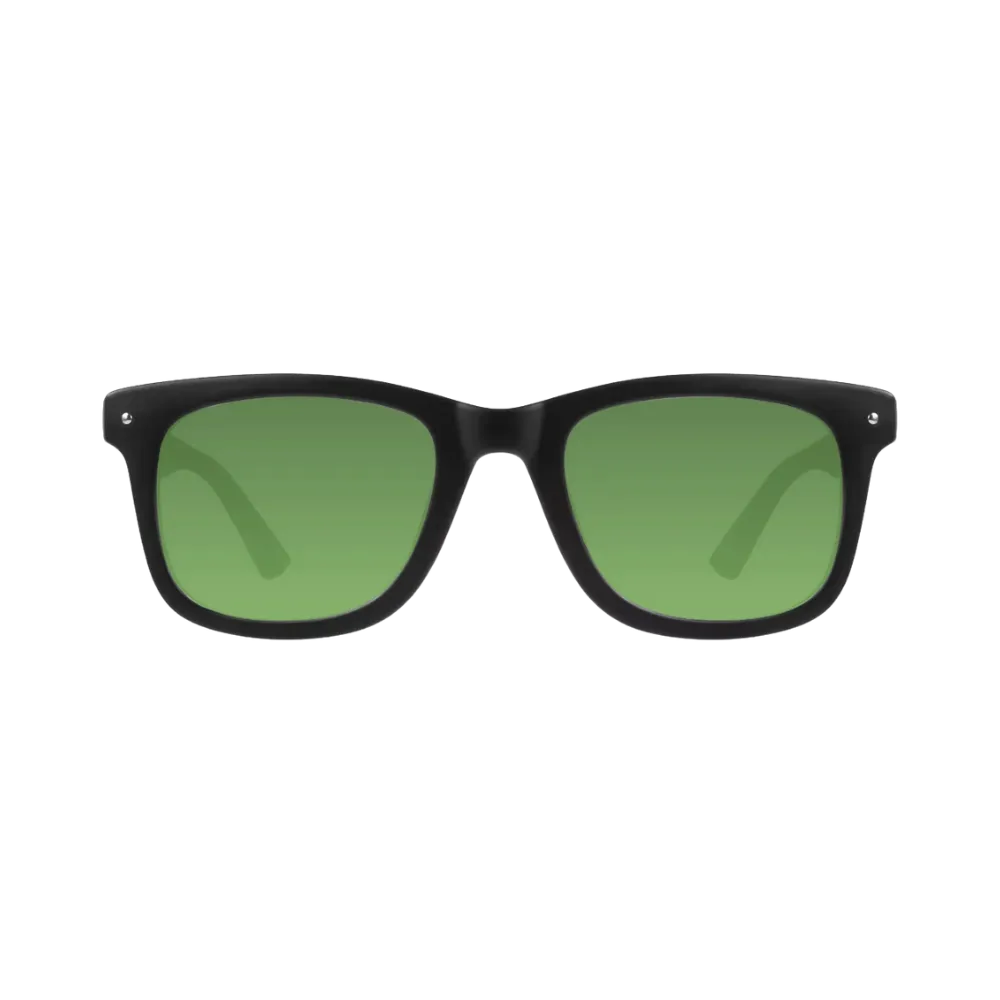
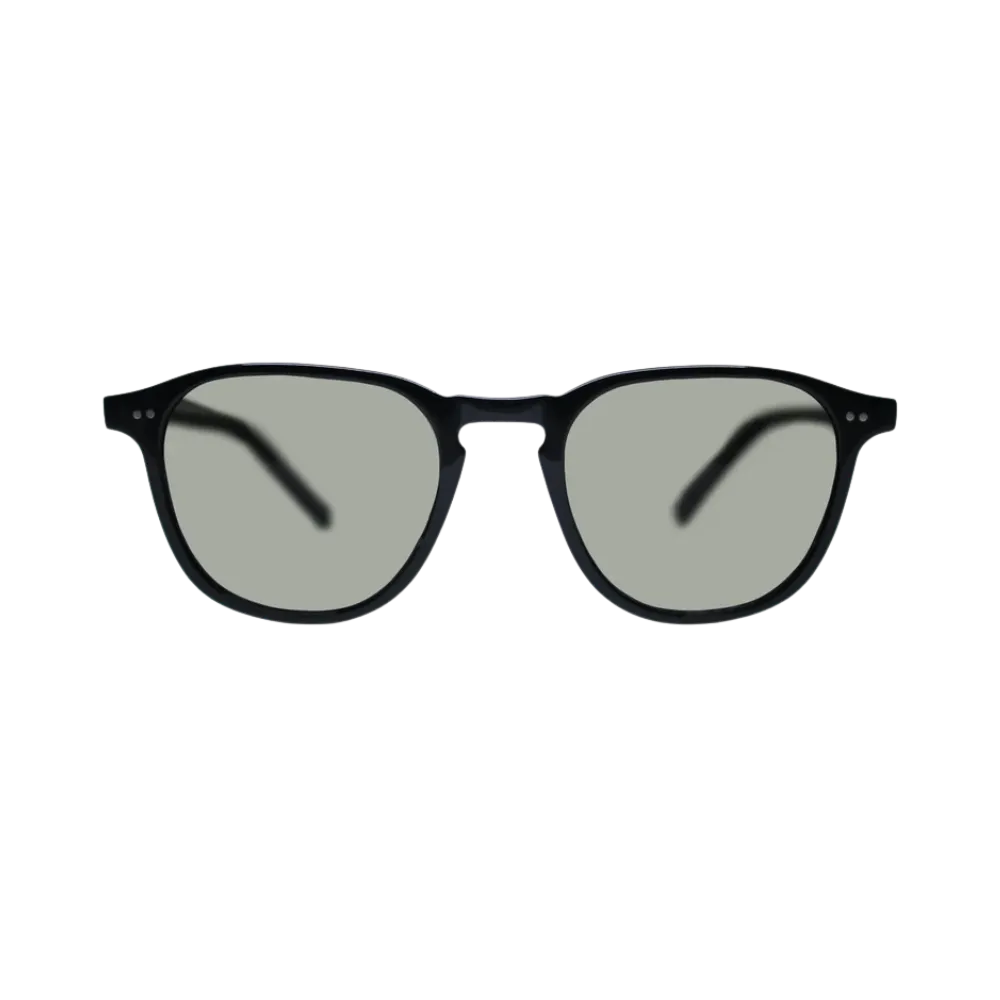
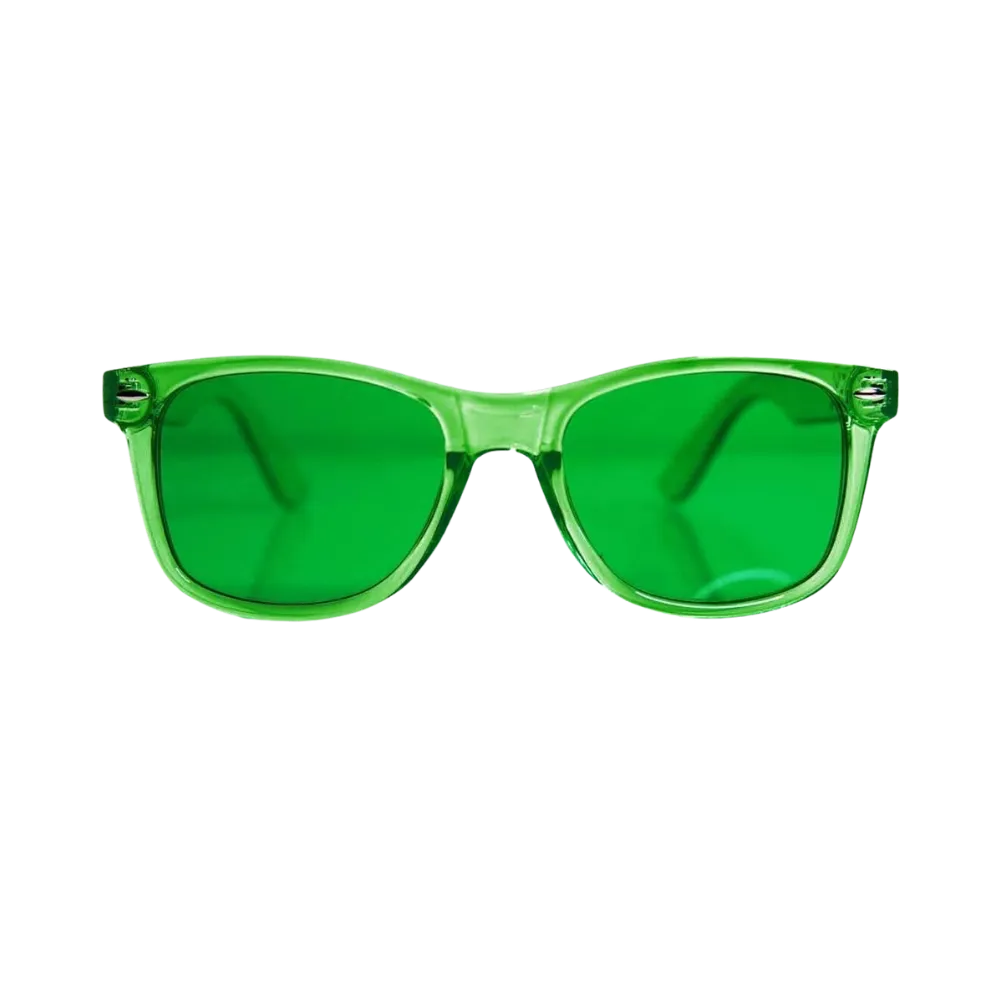

We bought and scientifically tested all of the most popular migraine glasses and in this article, we’re going to go over exactly what we found! So if you’re looking for a good pair, you’re in the right place!
Migraine glasses are specifically designed to filter out certain wavelengths of light that are more triggering for those who experience light sensitivity or photophobia.
Normal blue blockers and FL-41 lenses only focus on blocking blue light, which does help, but it completely ignores the red half of the spectrum. Research shows red light can also be an aggravating factor and therefore should not be overlooked.
Green light, used therapeutically, can be soothing and even decreases the number of headaches experienced by chronic migraine sufferers. This works with lenses designed to allow a majority of green light to pass through to your eyes.
Comparing Migraine Glasses
We chose to put the top migraine glasses to the test by determining what spectrums of light they actually filtered, how this affected CRI or color distortion, and also overall dimness or reduction in lux input.
Full disclosure: my personal favorites have been from MigraLens but it appears they are no longer available on Amazon and their website is UK based and didn’t offer shipping options for us in the USA… so lucky you UK people! You can still nab these bad boys and enjoy their green green glory.
Filtered Light
The main component of any migraine glasses would be the colors of light that the lenses filter out. As we know, ideally we should be looking at glasses that filter both red and blue wavelengths.
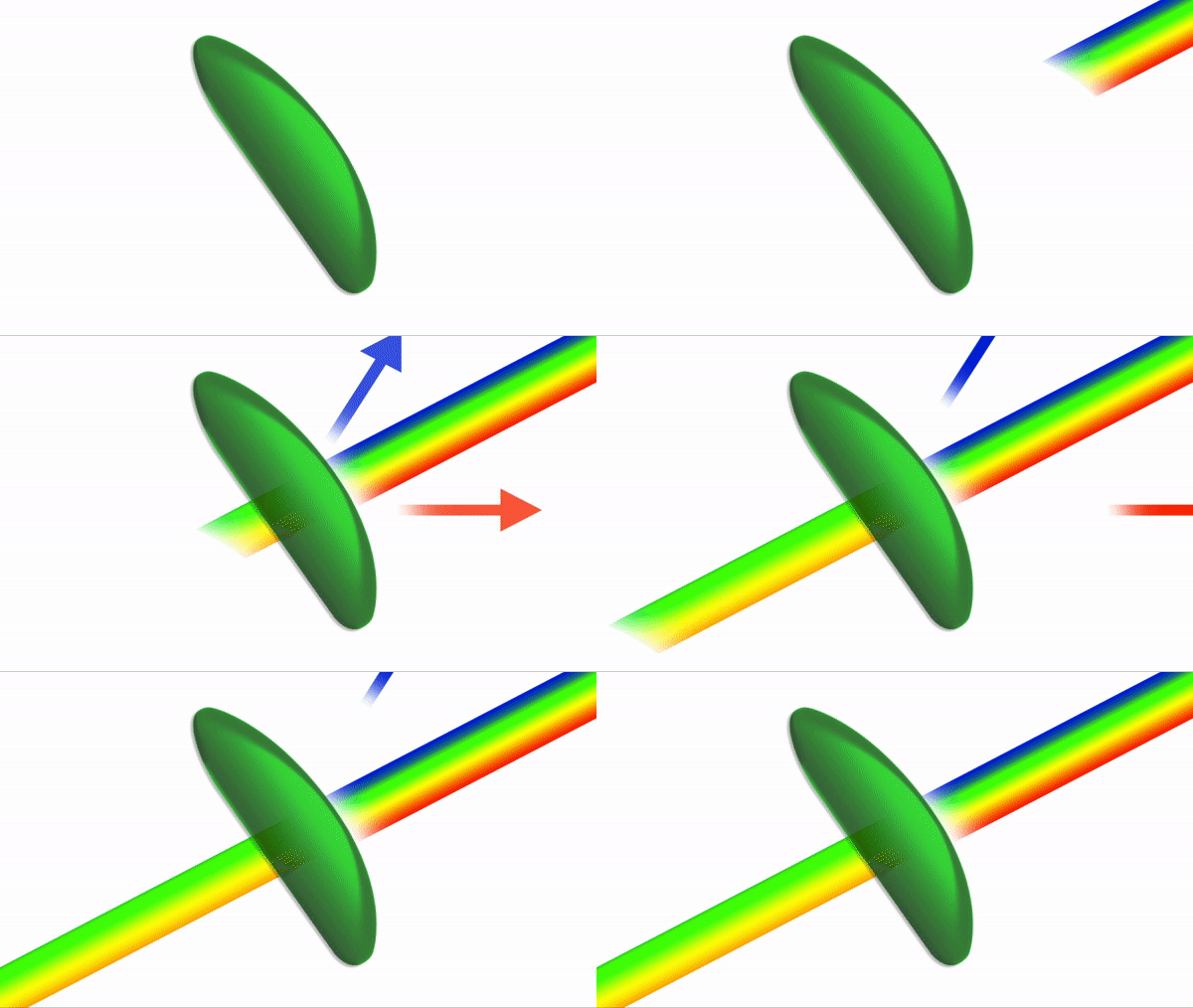
All of the glasses I present to you today accomplish this task… although in their own unique ways.
Color Rendering
As you can imagine, wearing green-tinted glasses all day might interfere with your day-to-day activities.
Well, we tested the CRI of full spectrum light passing through each lens so you can decide for yourself which one might be right for you.
The Color Rendering Index (CRI) is used to measure how light affects our ability to see different colors.

The lower the CRI the less vibrant or true to tone they are.
Each of these lenses uses either some kind of film or filtering technology to block reds, blues, etc and this affects our perception of color. Simply put, if our eyes don’t receive the color information, our brains don’t have the ability to show it in our vision.
We will have examples of the shift in CRI for each lens below.
Lux Reduction
Now, this category wasn’t crucial but I did see some people complain about how some of these glasses act like “sunglasses” and are too dark for constant indoor use. The main worry here is that your eyes will “dark adapt.”
Some people who experience photophobia with their migraines will find more relief in a higher lux reduction, so this doesn’t have to be a negative. A 2016 study in the journal Brain does indicate that dimmer green light exposure leads to more potent results.
I think it becomes more of an issue if you plan on wearing your glasses all day every day instead of only at trigger-specific moments, or during the early stages of a migraine attack.
We’ll go over the reduction in lux – or light – for each of these glasses so you can determine which one best suits your needs.
The Best Migraine Glasses
Now, without further ado, here are my top picks for the best migraine glasses on the market today!
1. Avulux/Axon Optics
Our best option for overall prevention is Avulux and their affiliated brand Axon Optics. Both of these companies use the same filtering technology to bring you a lens that doesn’t sacrifice your color perception. But you do pay top dollar for it!

Filtered Light
Avulux decided it was going to be a little more surgical in its approach by cutting out only those wavelengths that are shown to be the most harmful – blues around 480 nm and ambers around 590.

This does work and they are technically accurate, but you still get a lot of red and higher-frequency blue lights coming through. They do this in the name of color distortion which we will get to a little later on.
Lux Reduction
Another crowning feature for Avulux is it only has about a 54% reduction in lux.
AxonOptics in their blog calls out MigraLens for being too dark and warns this can cause people to “dark adapt” or make their eyes even more sensitive to light by being in the dark too long.
This can be a valid concern, but if you already suffer from photophobia during a migraine, the dimmer the environment the better. So Avulux might work better for long-term prevention rather than acute migraine relief.
Color Rendering
Avulux puts the money where its mouth is at giving you an effective lens with only 32% reduction in CRI.


As you can see, the integrity of the colors remains rather true while just making the world a little bit dimmer. This is much better for everyday use or if you need to wear them out and about in public.
Backed by Science
Avulux definitely has the most science backing it up and they have the most trials of any migraine glasses brand that I could find.
They did a study in 2016 where they unintentionally discovered that by blocking both 480nm light and 620nm light they could improve headache intensity scores. This lead them to develop the special lenses they have now.
They followed up this intel with a Clinical Trial in 2020 which proved the efficacy of their new lenses by comparing them to clear ones. The results showed that their lenses were “statistically and clinically superior” to the clear shams.
Conclusion
If you are looking for the best of the best migraine glasses that have been put to the test, look no further than Avulux! They come at a high cost but the results are priceless.
Avulux/Axon Optics

Pros:
Cons:
For best results:
Wear your Avulux glasses continuously throughout the day/night, especially if you are on your computer, watching tv, or doing other light-triggering activities.
Or you can choose to wear them selectively during the day; but absolutely at the first sign of a migraine/headache.
2. Zenni Blokz®+ Tints
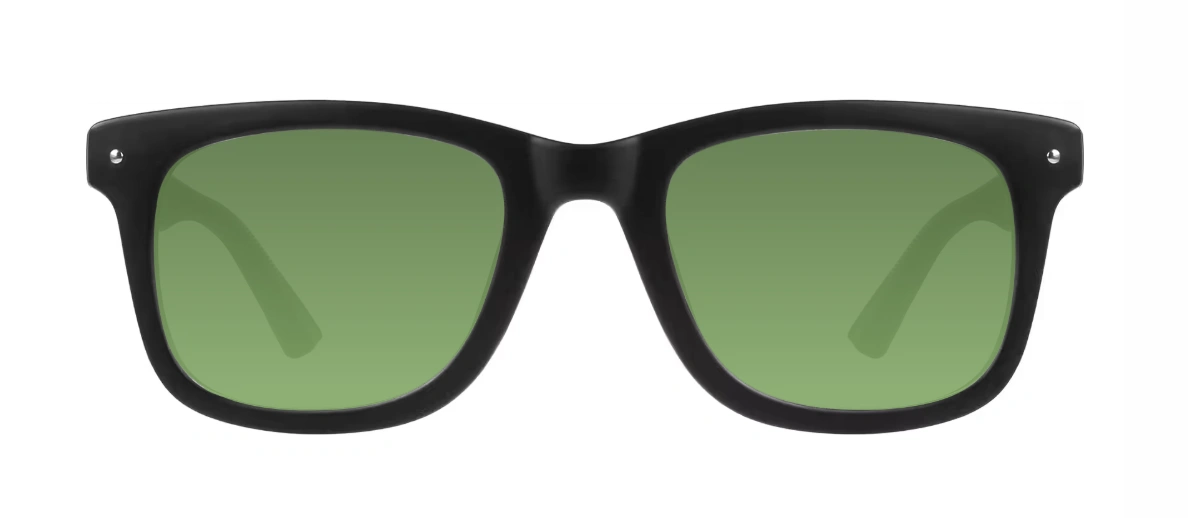
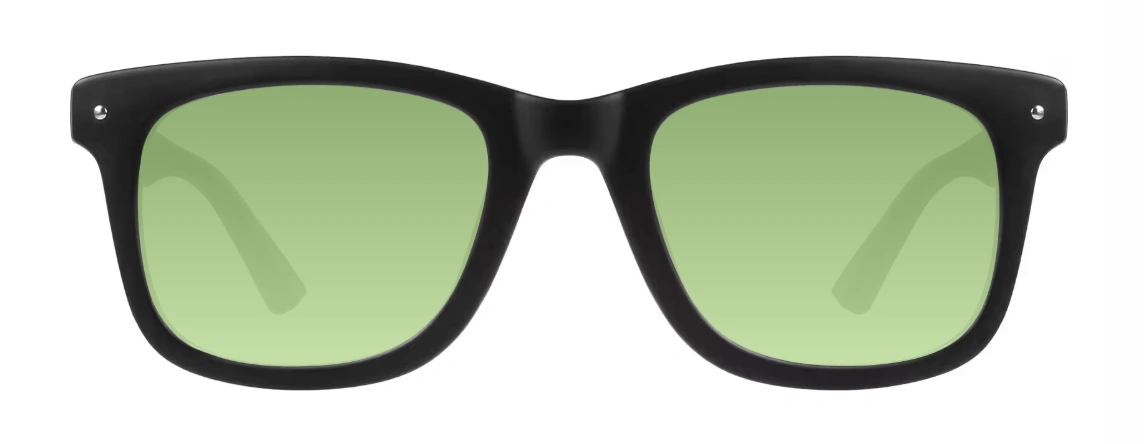
The Zenni Blokz®+ Tints, more specifically the Dark Green tint, is my favorite go to lens for when a headache/migraine is on the verge of ruining my day.

Filtered Light
Zenni glasses filter out approximately 75% of blue light and 45% of red light. Specifically looking in the High Energy Visible (HEV)-2 range, between 400-455nm, these lenses block 84% of these wavelengths.
As we can see in the spectrum below, these lenses do have the green peak around 525 nm which puts us on par with other green light therapy devices. This accounts for the green tint and lets you know you will be receiving those healing wavelengths.

Lux Reduction
At 54% brightness reduction, the Zennis are blocking the same amount of lux as the Avulux mentioned above.
But this is their dark tint! The light green tint only blocks 42% of brightness. So if you’re someone who fears becoming dark adapted, then these are even better for wearing around the house day in and day out.
Color Rendering
Due to the larger amounts of blue and red light that are blocked by this lens, there is a slight green tint to your vision – as you can see in the comparison below.
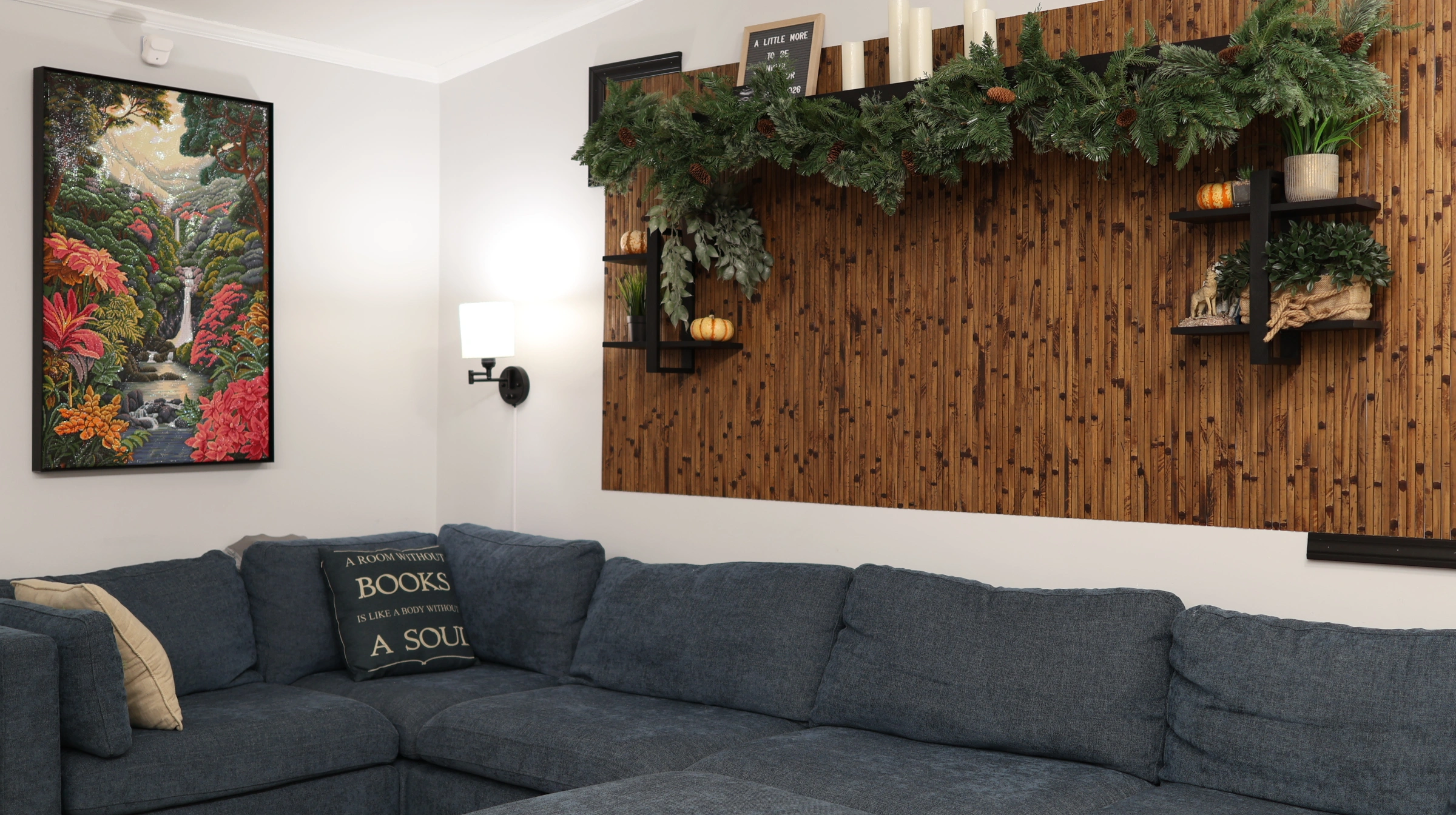
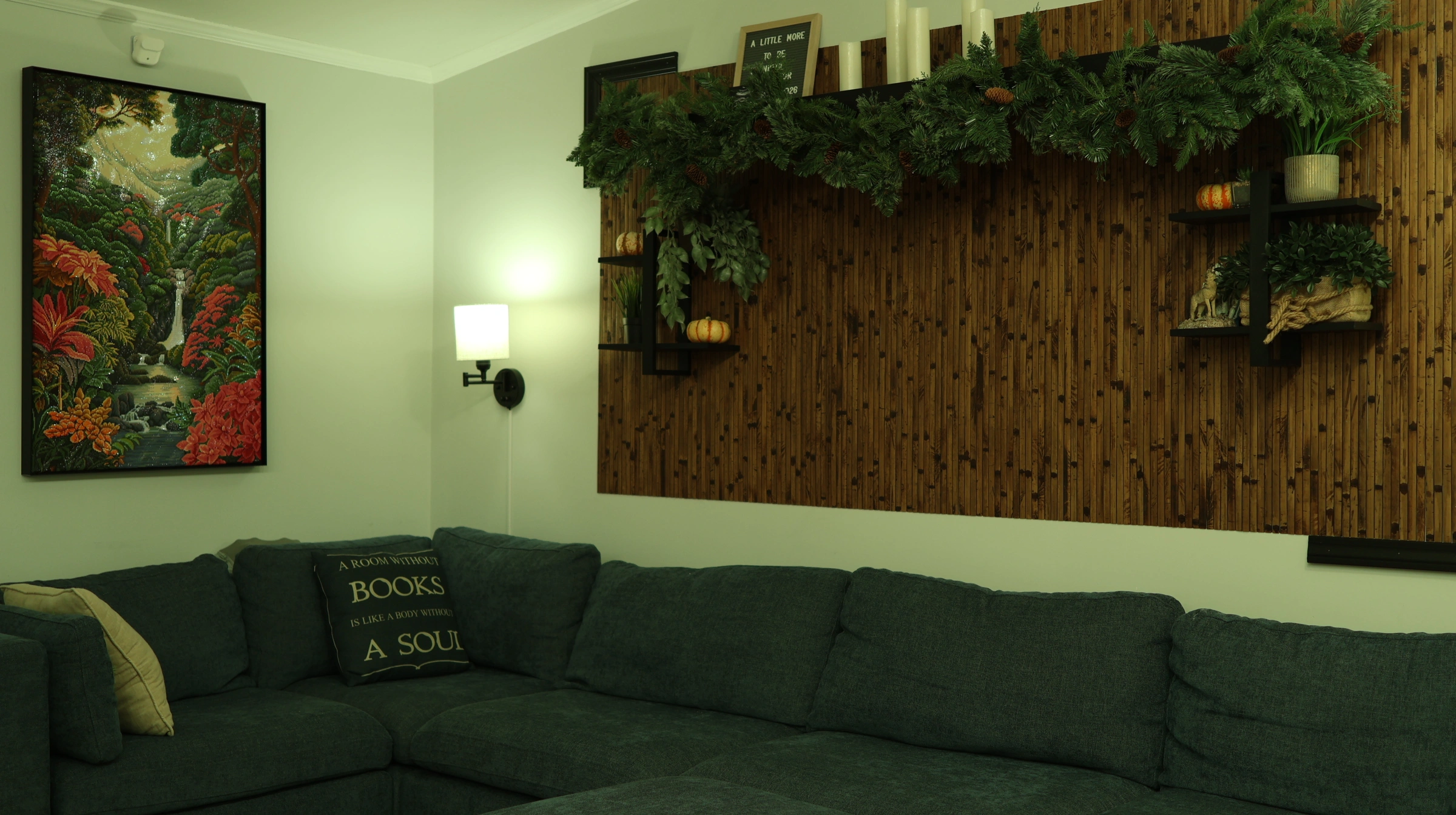
This may seem jarring and you might think you won’t like it, but I can tell you that your eyes will adjust. After a while, you’ll completely forget your world used to be a lot pinker!
Conclusion
While Zenni is most commonly known as a blue-blocker company, and they really only focus on filtering just the blue wavelengths, they do have a pretty decent pair of green lenses that I use for headaches/migraines.
Even with the higher end Avulux lenses at my disposal, I still find myself reaching for the Zenni’s when a migraine actually strikes. The green tint is soothing and, even if its just the placebo talking, I do find they abate my symptoms just a tad bit quicker.
Find the right Zenni for you!
Pros:
Cons:
For best results:
Put on your Zenni glasses at the first sign of a headache/migraine.
Or wear them all day, everyday if you’re working with screens or in other triggering light.
3. GloFX Color Therapy Glasses
These green-tinted glasses from GloFX are the cheapest option I could find, while still holding up against our scientific scrutiny. They’re not amazing but if you’re tight on budget, these can help you find relief!

Filtered Light
As we can see from the spectrum below, GloFX color therapy glasses do filter some of the higher wavelength blue lights and a lot of the red spectrum.

Unfortunately, their spectral peak is still in the bluer range near that dangerous 480nms. But, they do filter enough of the blue (68%) and red (83%) overall and they are dim enough that they will aid against photophobia.
Lux Reduction
These lenses offer a 60% reduction in overall lux which is just a bit more than the Avulux’s at 54%. So you don’t have to worry too much about “dark adapting” with these lenses.
Color Rendering
The GloFX will give a bluish-green tint to the world. You may or may not find this desirable, but I can also tell you your vision will adapt as you wear them so it doesn’t stay annoying for long.

Conclusion
These lenses do not have any science that I could find to back them up other than the general knowledge that filtering red and blue wavelengths can help against photophobia and pain perception in migraines.
They are technically just a cheap pair of party glasses but they are advertised as “color therapy glasses” and there are reviews on the website and on Amazon where people claim they work.
If you need a budget option, these are the ones I would choose.
GloFX

Pros:
Cons:
For best results:
Wear at the onset of a headache/migraine.
Or wear them whenever you are engaging in light-triggering activities.
4. Honorable Mention – Theraspecs
Theraspecs are technically FL-41 lens blue blockers. They don’t leave quite enough green to be in the realm of “green light therapy” but that’s not to say that this discounts them as “migraine glasses.” They do provide relief.
I only include Theraspecs in this review to illustrate the changes in the migraine glasses market; and how, as we continue to discover the benefits of green light exposure, we will move beyond just blue-blocking glasses.

Filtered Light
FL-41 filters used to be the height of light sensitivity technology. In fact, Avulux used to sell this type of lens before they developed their new green light ones.
They block mainly blues and even filter out a lot of the greens because they thought these were the most harmful. But, we know better now. Don’t we?
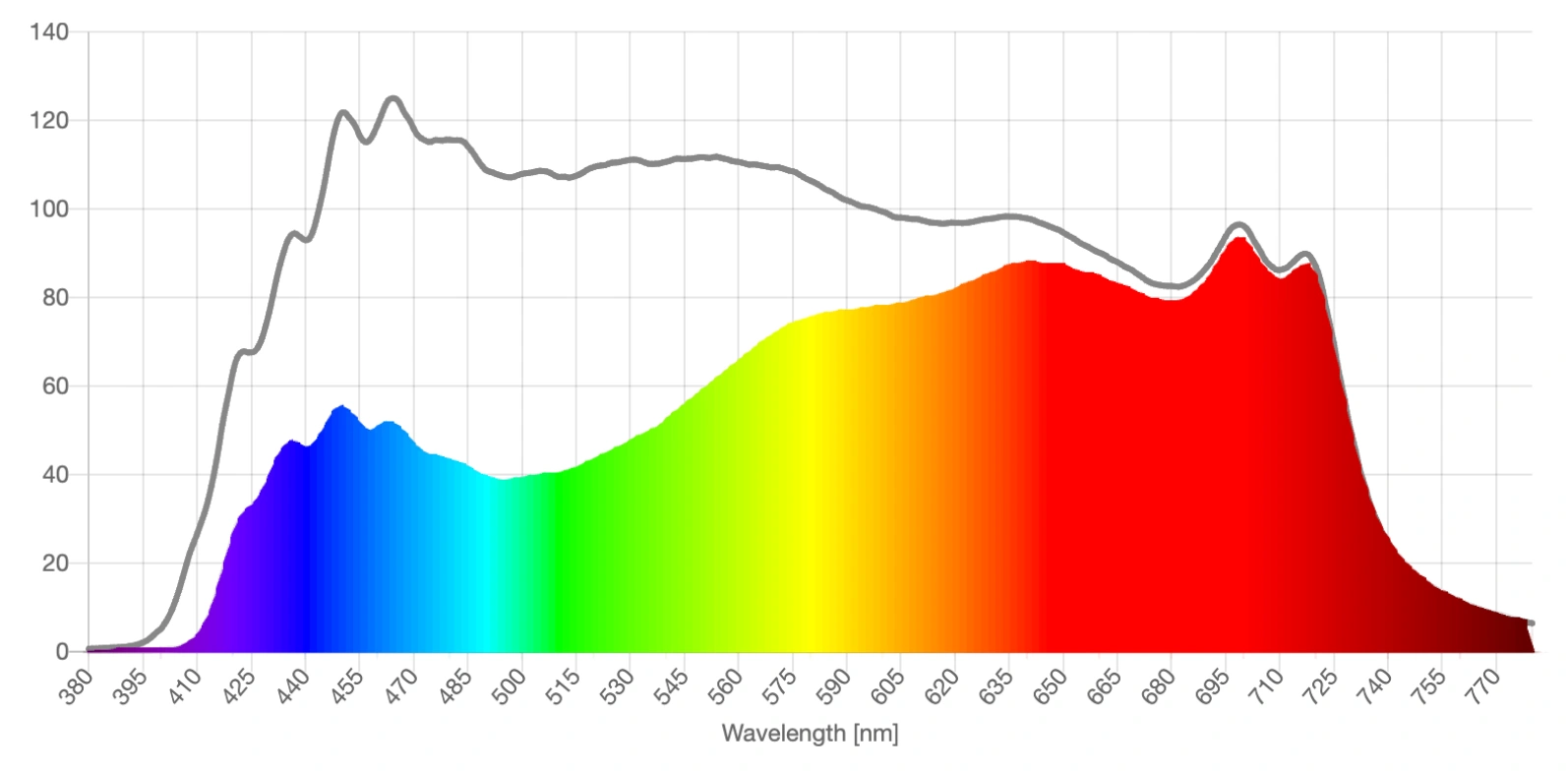
However, because they do in fact filter blue light in the 480nm range (59%), they are still effective at reducing light sensitivity and improving migraine pain. They also block around 12% of the red, so not much to write home about there.
Lux Reduction
With their Fl-Pro lenses the brightness reduction is only 42%, just like the Zenni light green lenses. They also have an “outdoor” version that acts more like sunglasses and decreases lux by 91%.
So that’s another perk of the Theraspecs in that they offer an actual sunglasses version to decrease your photophobia while outside.
Color Rendering
The classic FL-41 rose hue is definitely noticeable but not terribly off-putting.

Again, because they’re rather similar we will also look at a comparison between the lenses of the Theraspecs and Avulux. Notice the more rosy tint to the FL-41 Theraspecs vs a more subtle greenish hue to the Avulux.
Doesn’t the green just seem a little more pleasant? A little more soothing?
Backed by Science
There’s a study in the journal Headache that follows 20 schoolchildren who use the FL-41 rose-tinted glasses to decrease their frequency of headaches. This was measured against other children with blue-tinted glasses.
4 children from the blue group dropped out early, and only 1 child in the rose group failed to wear their glasses for the full 8 hours every day. Guess the blue kids didn’t find much use for them huh?
The results showed that the frequency of migraines improved after 4 months of daily wear, but the intensity and attack duration was not affected.
This could possibly be because they still allowed in the red spectrum and also cut back on that healing green light. Studies on green light therapy show that it improves headache frequency and intensity/duration.
Conclusion
If you find yourself having to work in front of screens all day long and feel like your eyeballs are strained, these glasses are a great option! They won’t interfere much with your color perception and workability so they’re perfect for everyday use.
Theraspecs


Pros:
Cons:
For best results:
Wear whenever you are engaged in light-triggering activities – especially in regards to TVs, laptops, phones, tablets, fluorescent lighting, LEDs, etc.
-
3 Best Green Lights for Migraines: Lab Tested (Allay vs. Hooga)
Is the $200 Allay lamp worth it? We compared it to the budget-friendly Hooga and Norb bulb. See our final verdict on the best green light for migraines.
8 minutes
I can understand the concerns about Migralens glasses having the tendency for adaptation to the dark and thus likely worsening light sensitivity, but a similar argument can be made for garden-variety prescription glasses. Anyone who wears prescription glasses for long periods of time often finds their vision is much blurrier without their glasses than they may remember pre glasses.
Hello Natrale,
You are absolutely correct! That’s why I suggest maybe not using them so much preventatively -wearing them all day, every day; but using them at the onset of photophobia symptoms and through the migraine attack itself. You don’t want to worsen your light sensitivity if you don’t have to. 🙂
I have tried green lenses in my glasses for photophobia (non-migraine related) and indeed they work wonders! Now, these glasses aren’t the same brands as any shown above as I’m moderately nearsighted and don’t have kilotons of money (my green lens glasses are Zennis), but still, rather pleased with them. 💚🕶
Oh, I wasn’t aware Zennis had migraine glasses! At first glance they appear to be similar to the Theraspecs (both are FL-41 lenses), but much more affordable for sure. I’ll have to check them out and maybe give the article an update. Glad they are working out well for you! Thanks for sharing 🙂
Greetings! Would love to hear your thoughts on the Zenni Blokz Plus with the green tint. I just got a pair based off your article here, though I know that wasn’t specially mentioned or tested. They seem pretty good to me!
Hi Z! Thanks for mentioning those, I know that they are aiming that line at being more of a blue blocker, but the green tint should have some effect for migraines as well I’d think. Do you find that they are helpful for your light sensitivity? We are currently working on getting our hands on some to test so stay tuned! 🙂
Not scientifically tested of course, but I do FEEL like they help me out. Makes my work monitors a little less harsh, and brighter lights in general more tolerable. I thankfully don’t have any sort of chronic migraines, but am a bit sensitive to light.
Just noticed the database was updated to include a bunch of Zenni lenses. I appreciate the effort! Good to know they work well enough for my intended use. Thanks again!
You’re very welcome! 😁