
First principles · Follow the data · Find the truth
Derek Antosiek
Founder · Light & Circadian Research Lead, Optimize Your Biology
I’m a citizen scientist who built an optical lab to measure what light devices actually do, because the industry runs on vague claims, and I give you the truth as a real person, not just a spec sheet.
Last updated: August 2026

My story
I got fed up feeling run down, and it turned into an obsession.
Like most people, I spent my younger years not thinking much about my health. Too many late nights, too much partying, and eventually I got tired of feeling run down and exhausted all the time. So I started digging into nutrition, sleep, and exercise, and I quickly found I had a knack for it: sifting through conflicting information and finding the truth buried in the noise.
I landed on light almost by accident. While I was researching how to sleep better, I kept running into light-therapy devices, and I noticed something that bothered me. Nobody was actually testing them. The manufacturer claims were vague and hard to believe, and there was no real lab data behind any of it. So I decided I would be the one to measure it.
“I don’t stop until I’ve found the truth inside the noise.”
I test on myself first, constantly. Even when I already own something that works for me, the job means living with new products that may or may not, which is honestly half the fun and half the aggravation. I’ve hand-built my own gear to understand it from the inside: a SAD lamp from LED strips on an aluminum pan with a hand-cut diffuser, and my own vitamin D lamp, which I validated by cutting out every other source of vitamin D through a winter and running blood work before and after. I’ve worn EEG pads behind my ears so many nights chasing a sleep-tracking method that the skin scabbed over.
By now an entire room of my house has vanished under lab equipment, and none of it is hobby gear. I run research-grade spectrometers that read from ultraviolet all the way to near-infrared, a high-end flicker meter, and my own integrating sphere, the same instrument a professional optics lab uses to capture a light source’s true, total output. And I taught myself the science behind every one of these instruments, because nobody was ever going to hand me the data I was after.
That is what a real citizen scientist looks like, and it is the standard behind everything on Optimize Your Biology. I do this for myself first. You just get to benefit from it.
Credentials & expertise
The background behind the reviews.
I read the whole study, then I test it in the lab.
I approach everything from first principles. I read the entire study, not just the abstract, and I look up every term I don’t know until it makes sense. I don’t take a claim on faith, I go and measure it.
That instinct is what built this. I kept running into industry claims nobody had actually verified, so I assembled the lab to check them and wrote the software the field didn’t have. When the standard tools couldn’t answer a question, I made tools that could.
A relentless citizen scientist who built the lab this industry never bothered to build.
Founder of Optimize Your Biology · 4 years, full-time
Built the site into an independent, lab-backed resource that helps people make informed decisions about the light and sleep devices they buy.
Fluent across optics, circadian science, and code
A voracious reader of primary research who writes the custom analysis software this field simply doesn’t have off the shelf.
Built a calibrated optical lab
Research-grade instruments, much of it not available to consumers, sourced directly from manufacturers to measure what spec sheets won’t tell you.
Moderates the Sleep Hackers community
Runs the r/SleepHackers subreddit alongside Brent, staying close to the real questions the community is asking every day.
Fluent in the science and measurement this field actually runs on:
How I think & test
If a claim can be measured, I measure it.
The whole industry runs on claims nobody has checked. My answer is simple: get the equipment as close to a gold standard as possible, keep it calibrated, and let the numbers settle the argument. If a device does what it says, the measurement will show it. If it doesn’t, that shows too.
Rigor here isn’t one clever test. It’s volume. You don’t know what you don’t know, so I collect far more data than seems necessary, across many devices, until I can see which methods are actually reliable and which just look convincing. Then I keep only the ones that hold up.
“Anyone can have an opinion about a light. I’d rather measure it.”
The instruments I measure against
I don’t rewrite spec sheets. I measure, against research-grade reference instruments, from ultraviolet all the way through near-infrared. Here’s the current bench:
Research-grade spectrometers
Spectroradiometers reading UV through near-infrared: illuminance, transmission, and full spectral power. The backbone of every light measurement I make.
High-grade flicker meter
Captures flicker percentage and frequency, the invisible strobing most devices never disclose.
Integrating sphere
Captures a source’s total light output for true, geometry-independent spectral measurement.
Clinical & environmental sensors
An FDA-cleared Zmachine Insight+ EEG for sleep staging, plus an ECG chest strap, calibrated sound-level meter, and thermal camera.
Much of what matters here has no off-the-shelf software: melanopic EDI and DER, CLA, TM-30, CRI, blue-light hazard, and UV ratios. So I built my own, coding custom Python pipelines on top of the spectrometer SDK to get results the standard tools can’t.
The principles behind every test
- 01Measure against a calibrated reference. Gold-standard instruments, kept in calibration, so the numbers actually mean something.
- 02Collect more data than seems necessary. You don’t know what you don’t know, so I test broadly until the reliable methods separate themselves from the convincing-looking ones.
- 03Control every variable that moves a result. Environment, electricity, software, and statistics all bend a reading, so I account for each one.
- 04Report only what the data supports. If a measurement isn’t reliable, it doesn’t ship, no matter how good the story would have been.
What I cover
The categories I review.
My bench lives in light and circadian health, and it spills well into sleep. Broad enough that new gear always has a home.
SAD & bright-light lamps
Light-therapy lamps measured for real lux, spectrum, and flicker at real distances, not the number on the box.
Circadian lamps & smart bulbs
Lamps and bulbs built to shift color and intensity across the day to support your body clock.
Light-therapy glasses
Wearable light for energy, mood, and resetting your clock when you travel.
Blue-light & light-sensitivity lenses
Evening and daytime blue blockers, plus tinted lenses for migraine and photophobia.
Sunrise alarms & wake lights
Dawn-simulating clocks and lamps, judged on the light they actually deliver at the bedside.
Vitamin D & UV lamps
UV lamps for vitamin D, measured for true output and the safety trade-offs.
Red & near-infrared / photobiomodulation
Red and near-infrared devices and the odd photobiomodulation gadget, measured for real spectrum and output.
Breathing, masks & the sleep environment
Mouth tape, nasal dilators, sleep masks, blackout, and the light, sound, and air that shape a bedroom for sleep.
Sleep trackers & wearables
EEG-based sleep trackers and wearables, the newest category coming onto the bench, checked against a clinical-grade reference.
Now & next
Actively on the bench.
What I’m testing right now, and what’s lined up next.
Sunrise alarm clocks + a new database
Testing the Rise Centered and the Dream Egg while I build a full sunrise-alarm-clock testing methodology, something the category badly needs. I’m also starting into wearables and sleep trackers.
Blue-blocker database revamp + a deep backlog
Rebuilding the blue-blocker database, with a loaded bench behind it: the Sleepal lamp, an infrared desk light, a head-mounted red-light device, more vitamin D lamps, and the Fara light by Tuo.
Recent work
The latest, all tied to my name.
My six most recent reviews, newest first, every one bylined to me and fully traceable. This feed refreshes automatically as I publish.
-
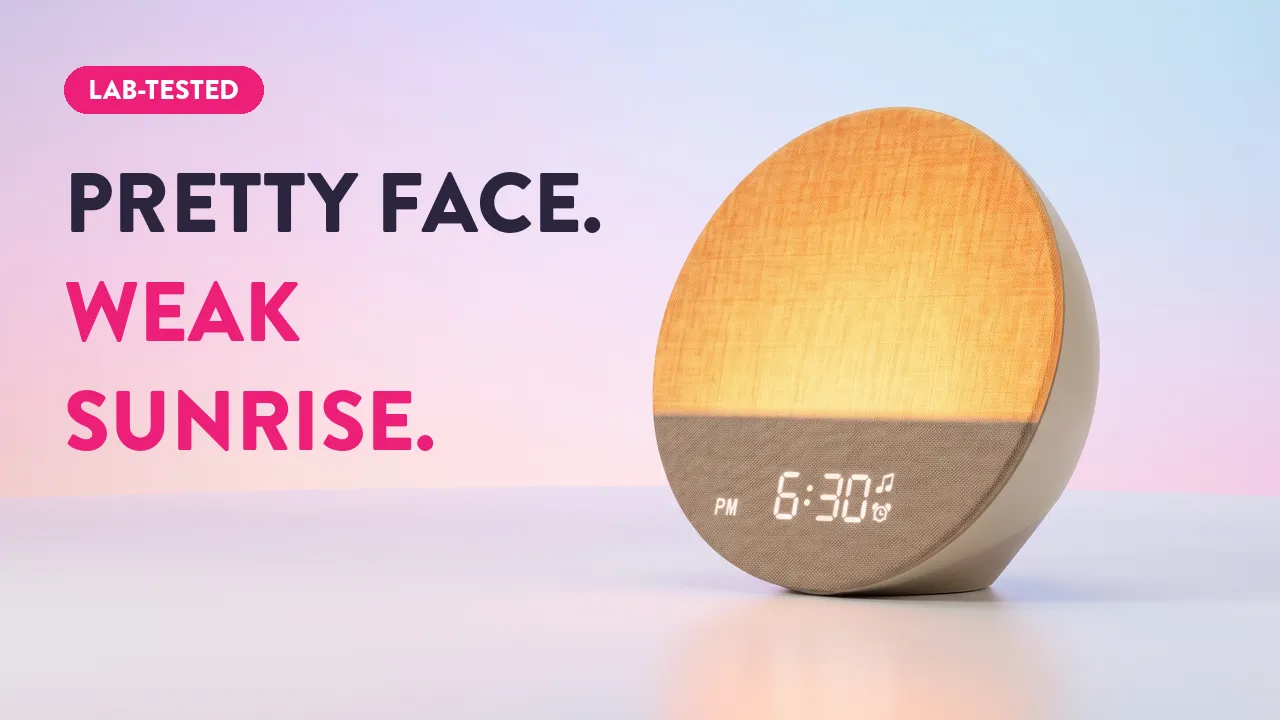
Dreamegg Sunrise 1 Review: Hatch Looks, Under a Quarter of the Light
It looks like a Hatch Restore for less than half the price. On the spectrometer it…
-
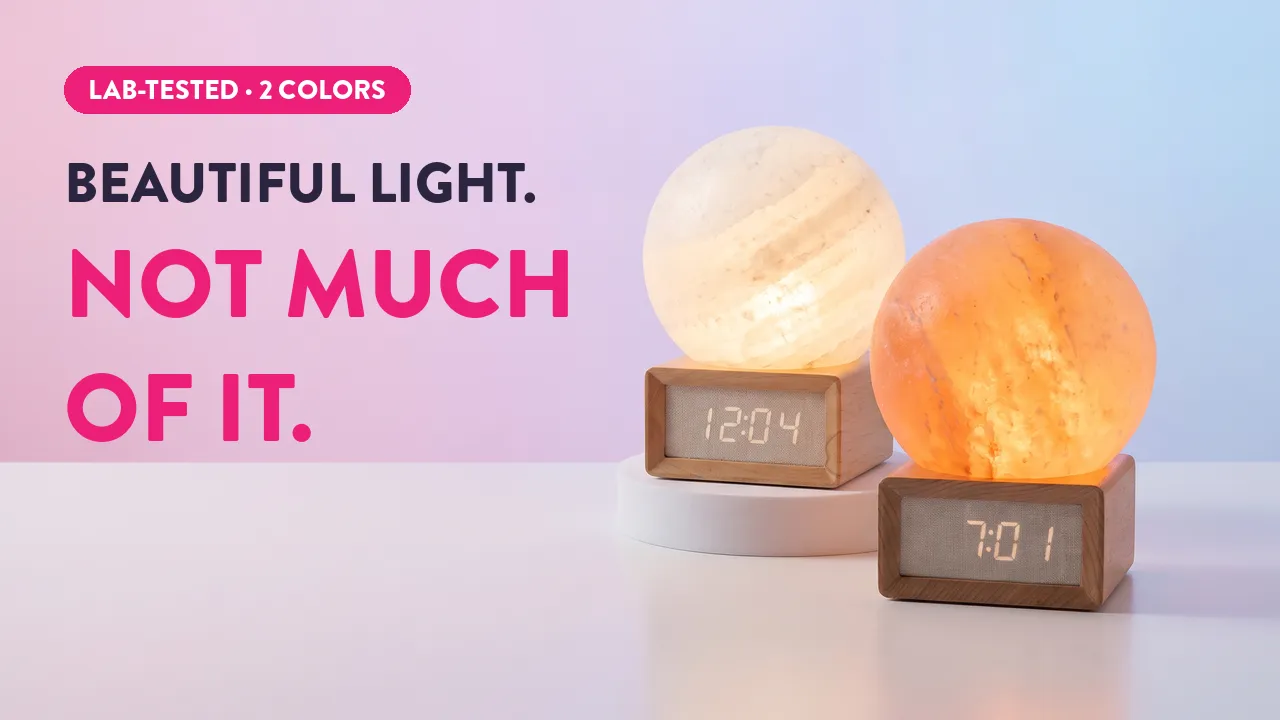
Rise Centered Sunrise Alarm Clock Review: Gorgeous, and Dimmer Than You Think
A hand-carved Himalayan salt sphere that makes the loveliest light of any clock I’ve tested, and…
-
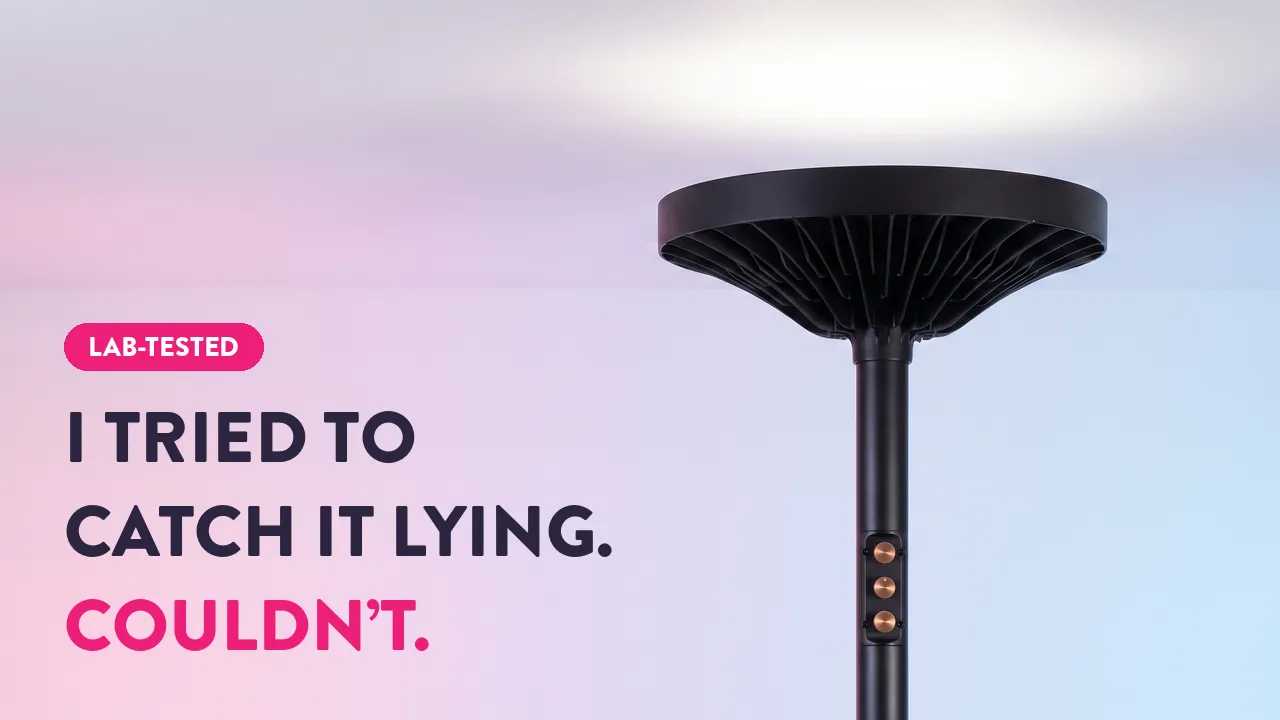
Chroma Skylight Review: I Tested the Claims on a $2,400 Light
A $2,400 circadian floor lamp with bold claims: Rf 97, no cyan gap, and dedicated amber…
-
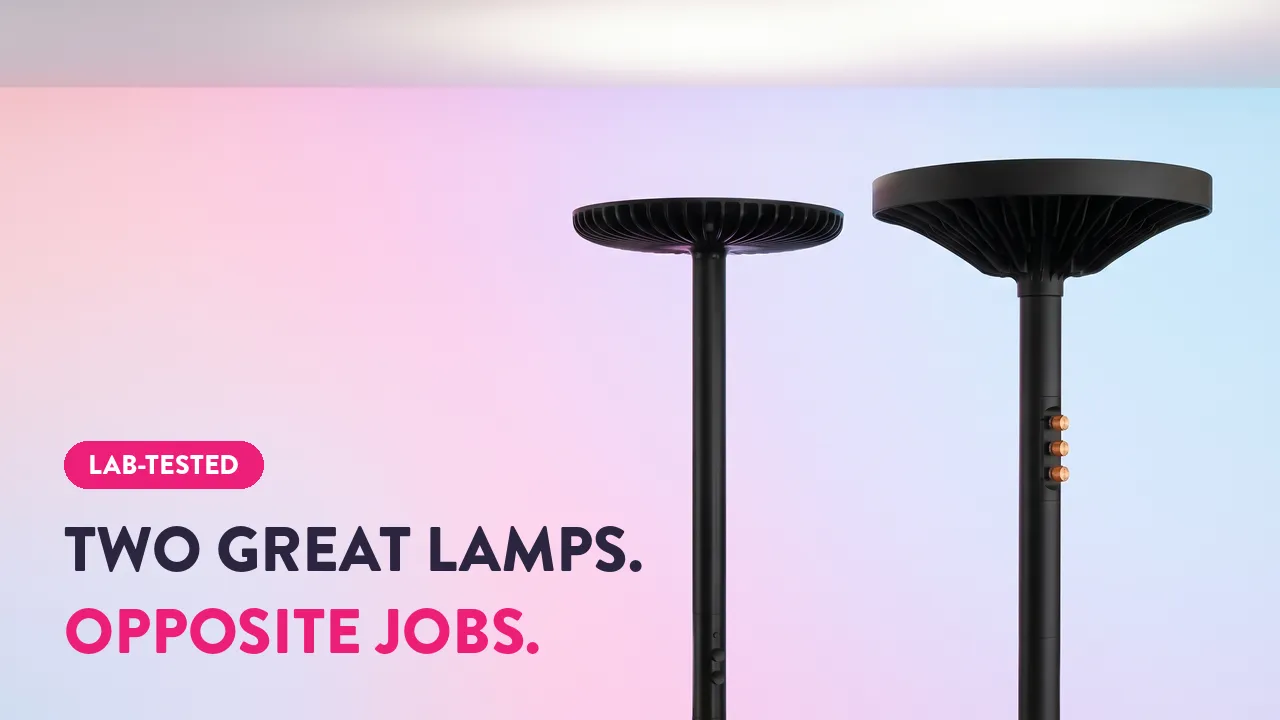
Chroma Skylight vs the Brighter Lamp: I Put Both on My Meters
Two premium daylight floor lamps, opposite priorities. I put the Chroma Skylight and the Brighter Lamp…
-
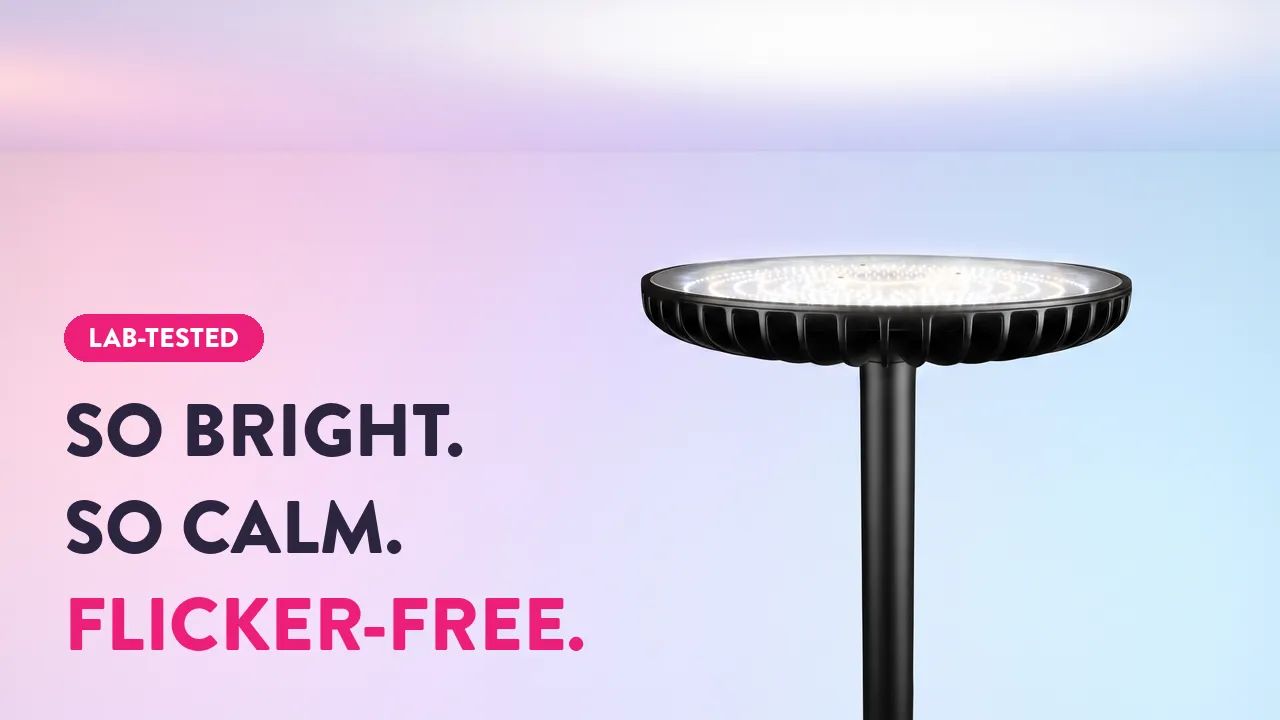
The Brighter Lamp Review: I Put the “World’s Brightest” Lamp on My Meters
The world’s brightest floor lamp, on paper. I put it on my meters: 48,650 lux at…
-
How to Set Up a Smart Light Sunrise Alarm: The Ultimate Guide
Can smart lights replace a sunrise alarm clock? We tested Philips Hue, LIFX, and IKEA to…
The person behind the reviews
Don’t take my word for it.
I’m a real, traceable person, not an anonymous affiliate byline. Here’s where to find me and vet me yourself.
An honest line I won’t cross
I’m a citizen scientist, not a physician, and nothing here is medical advice. What I offer is careful measurement and honest judgment: how a device actually performs against calibrated instruments, and what I’d do in your shoes. Being a citizen scientist is the point. It’s what lets me question the claims this industry takes for granted and test the things nobody else will.