
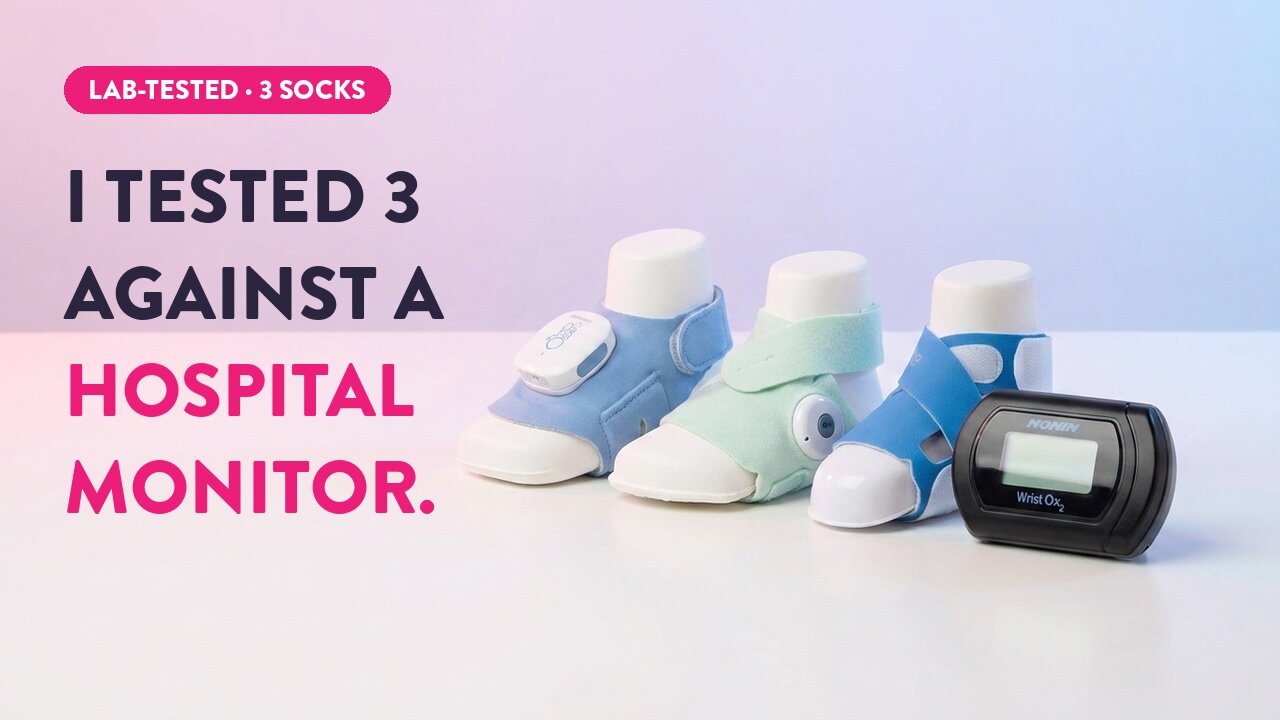

It’s 2 a.m. and you’re standing over the crib with your hand on your baby’s chest, waiting to feel it rise. I’ve done it. That feeling is why these socks exist, and why I wanted to know which ones actually do their job.
So I bought three of the most popular ones, strapped a $1,500 hospital monitor to the other foot, and read the data line by line. This guide to the best infant pulse oximeter is the result: three wearable oxygen monitors, tested against a clinical reference, with two I’d actually buy and one I’d tell you to skip.
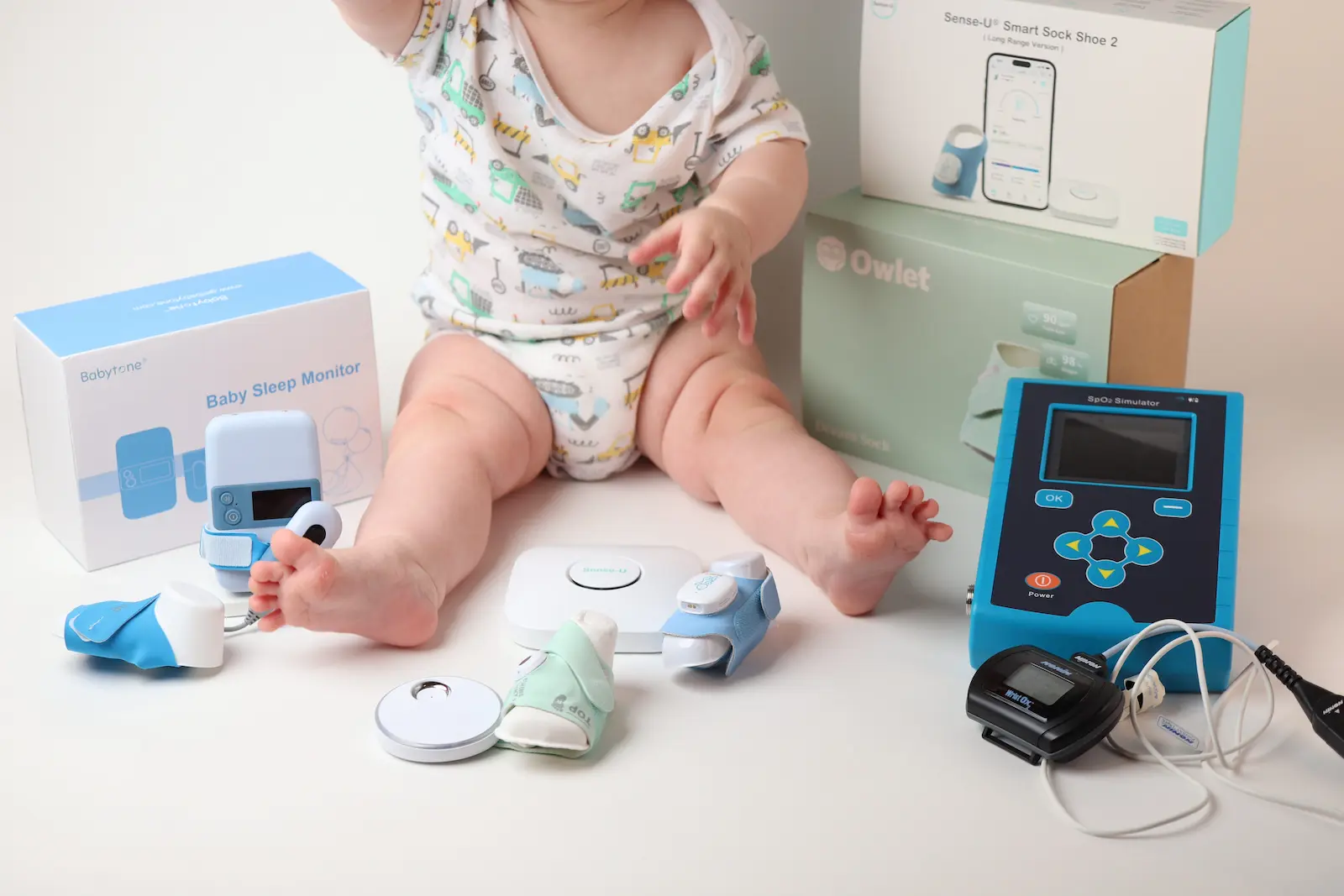
The Monitors Worth Buying
Only one of the three held a hospital-accurate signal all night and carried a real low-oxygen alarm. That’s the short version. Here’s the shortlist:
- Best Overall — Owlet Dream Sock: the only sock that tracked the hospital monitor within about 2% all night, and the only one with a real oxygen alarm. It’s the priciest of the three, and I’d still buy it.
- Best Budget — BabyTone Sleep Sock: heart rate within about a beat of the hospital monitor, plus a portable alarm base. The catch is that its oxygen is a 10-minute average, not a live number.
- The one I’d skip — Sense-U Smart Sock: it looks like the Owlet for less, but I couldn’t get it to hold a signal, it has no oxygen alarm, and its heart-rate alarm didn’t fire when I tested it.
Shopping for a Masimo Stork? Don’t. Masimo discontinued it, and the app went dark after June 30, 2026. A sealed one in a box won’t even turn on. Here’s what happened to the Masimo Stork, and what to get instead.
Owlet Dream Sock |
BabyTone Sleep Sock |
|
Live oxygen alarm? |
Yes — fires below 80% |
No — oxygen is a 10-min average |
Accuracy vs the Nonin 3150 |
SpO₂ within ~2% about 99% of the night (+0.5% bias) |
Heart rate within ~1 bpm (−0.98 bias); oxygen can’t be checked (average only) |
Signal hold |
Held all night — widest sensor gap (31 mm) |
Held a full night (25.5 mm gap) |
FDA status |
FDA-authorized (De Novo) |
Wellness device |
Remote alert |
Yes — Wi-Fi, reaches you anywhere |
No — portable base, in-home |
Where to buy |
|
Owlet Dream Sock |
BabyTone Sleep Sock |
|
|---|---|---|
|
Live oxygen alarm? |
Yes — fires below 80% |
No — oxygen is a 10-min average |
|
Accuracy vs the Nonin 3150 |
SpO₂ within ~2% about 99% of the night (+0.5% bias) |
Heart rate within ~1 bpm (−0.98 bias); oxygen can’t be checked (average only) |
|
Signal hold |
Held all night — widest sensor gap (31 mm) |
Held a full night (25.5 mm gap) |
|
FDA status |
FDA-authorized (De Novo) |
Wellness device |
|
Remote alert |
Yes — Wi-Fi, reaches you anywhere |
No — portable base, in-home |
|
Where to buy |
How I Tested These
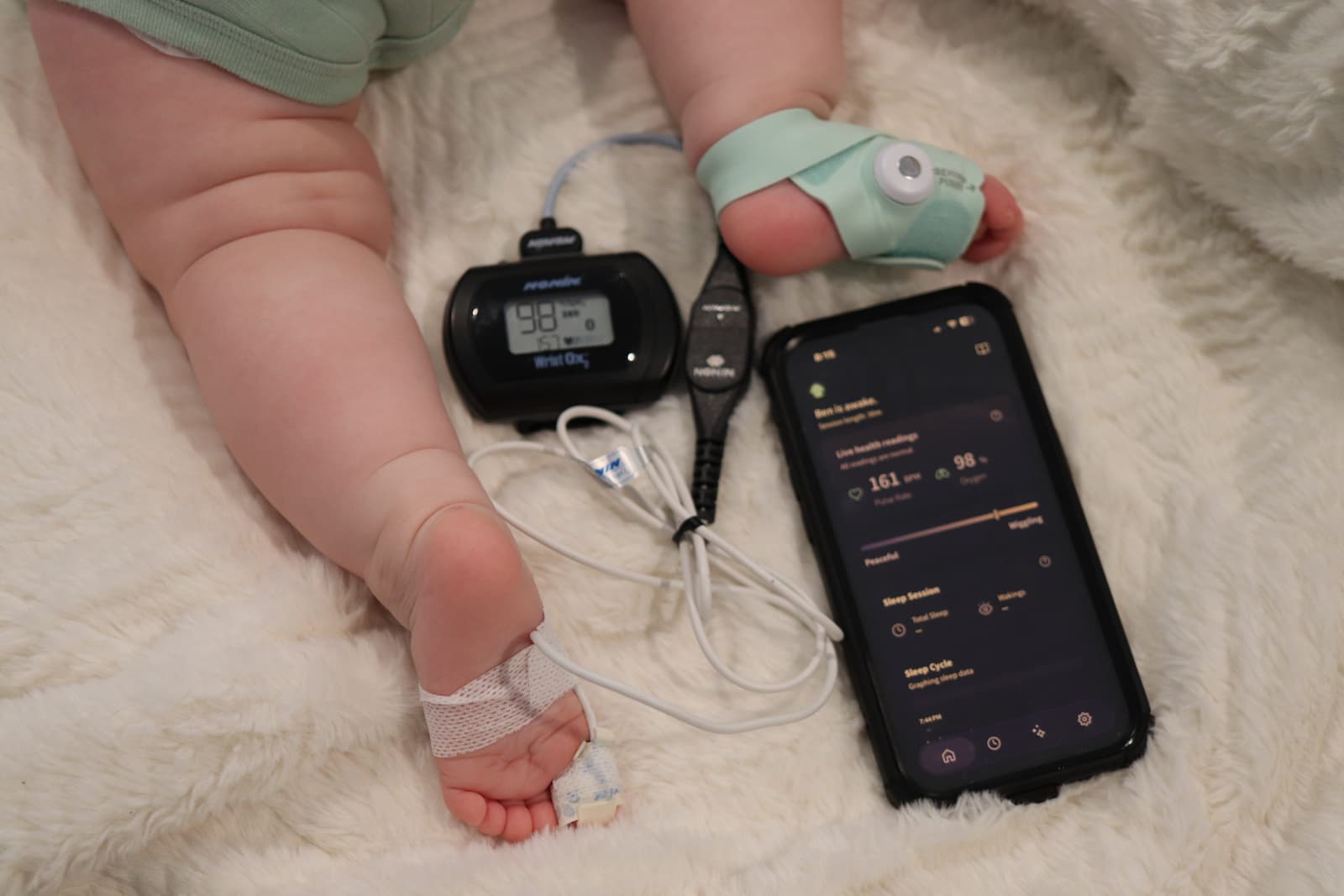
Every number here comes from the same setup. The device under test goes on one foot, a Nonin 3150 on the other, and both log once per second all night. The Nonin is a FDA approved pulse oximeter — roughly $1,500 hospital-grade monitor with a neonatal sensor, so I’m not grading these socks against a guess.
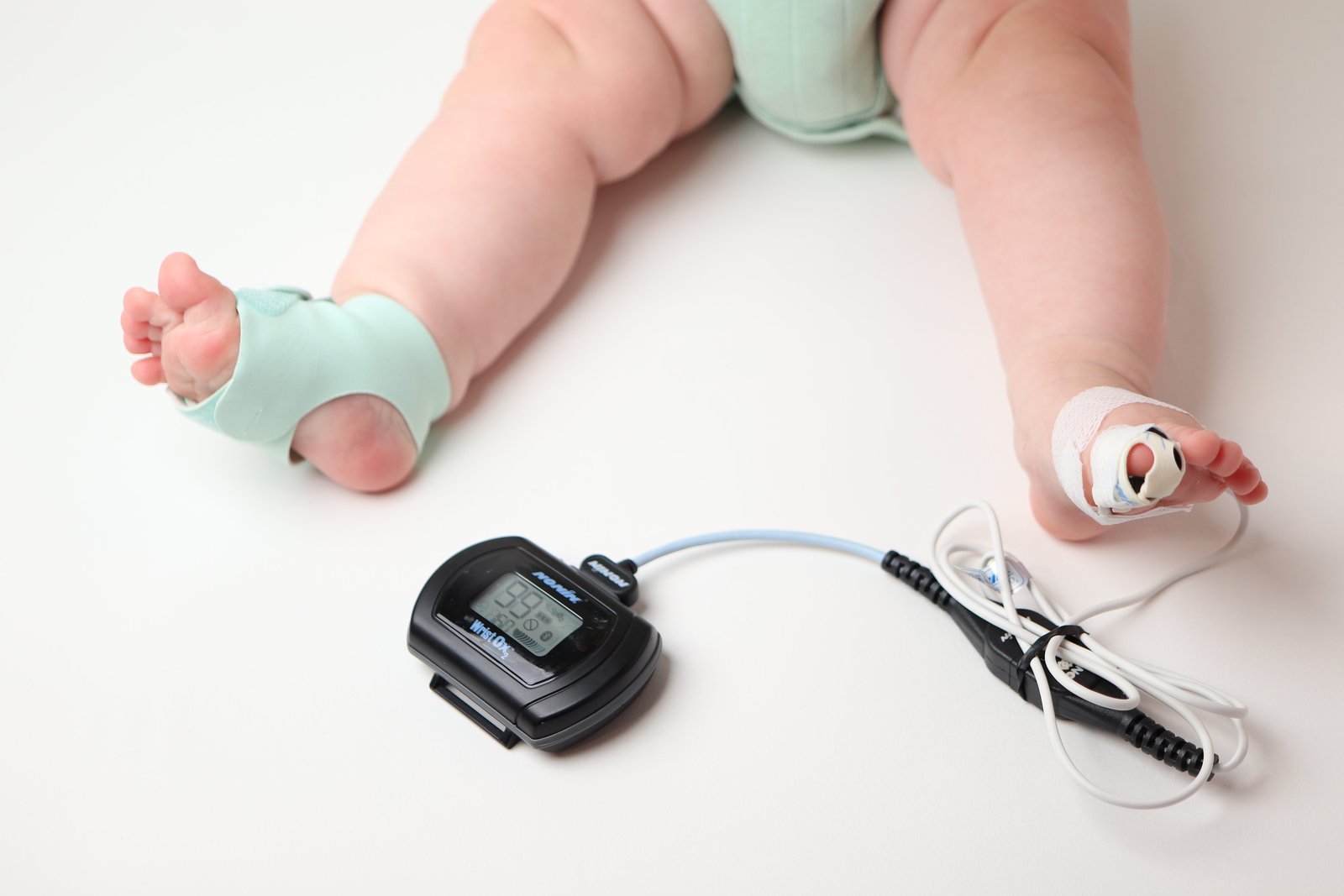
I ran that same overnight comparison on all three socks, several nights each, then matched the two records point by point — second by second where a sock exports its own data, sampled at fixed intervals off the app where it doesn’t. That runs to thousands of paired readings at the deep end. Accuracy here isn’t a feeling. It’s how closely each sock tracked the Nonin, minute by minute, through a real night of squirming and position changes.
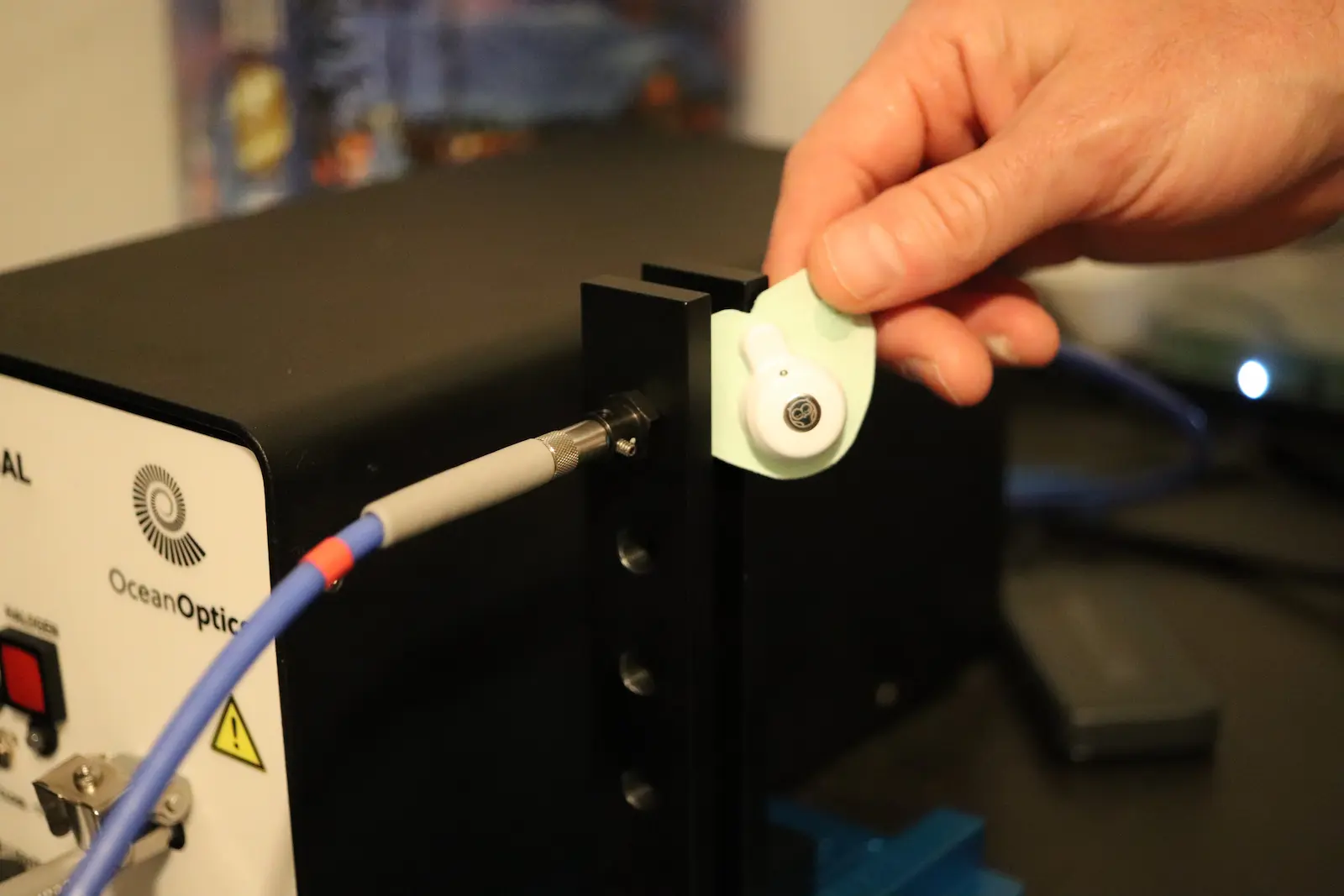
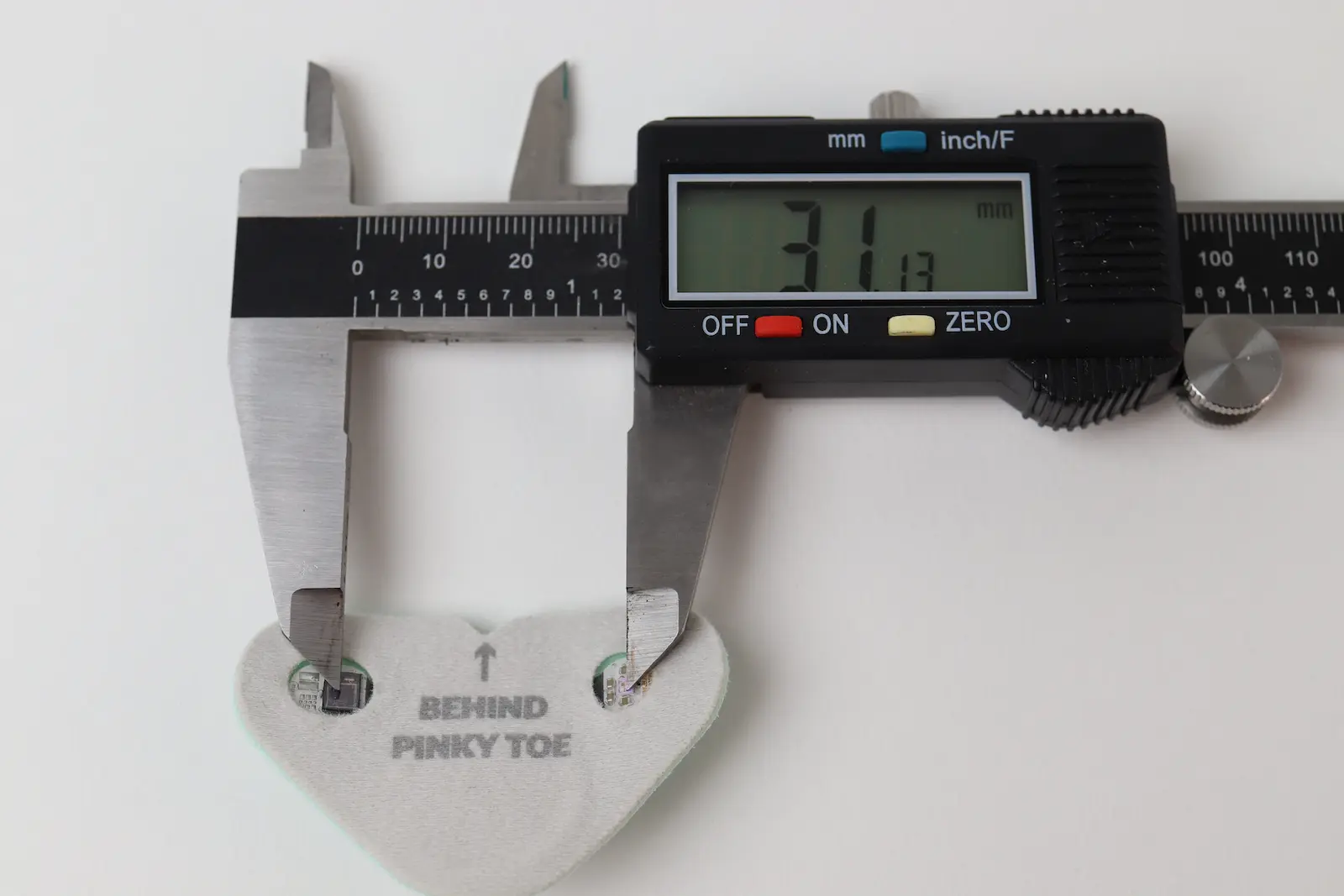
I also measured every sensor’s light-to-detector gap with precise calipers, and put each one under an $18,000 lab grade spectrometer to read the exact wavelengths it uses to see through skin. Those three tests are where the real differences between these socks turned up.
Owlet Dream Sock — Best Overall
The Owlet is the one I put on my own son, and it earned it. Across a continuous night, its oxygen landed within 2% of the Nonin about 99% of the time, at a +0.5% bias. That’s essentially zero drift.
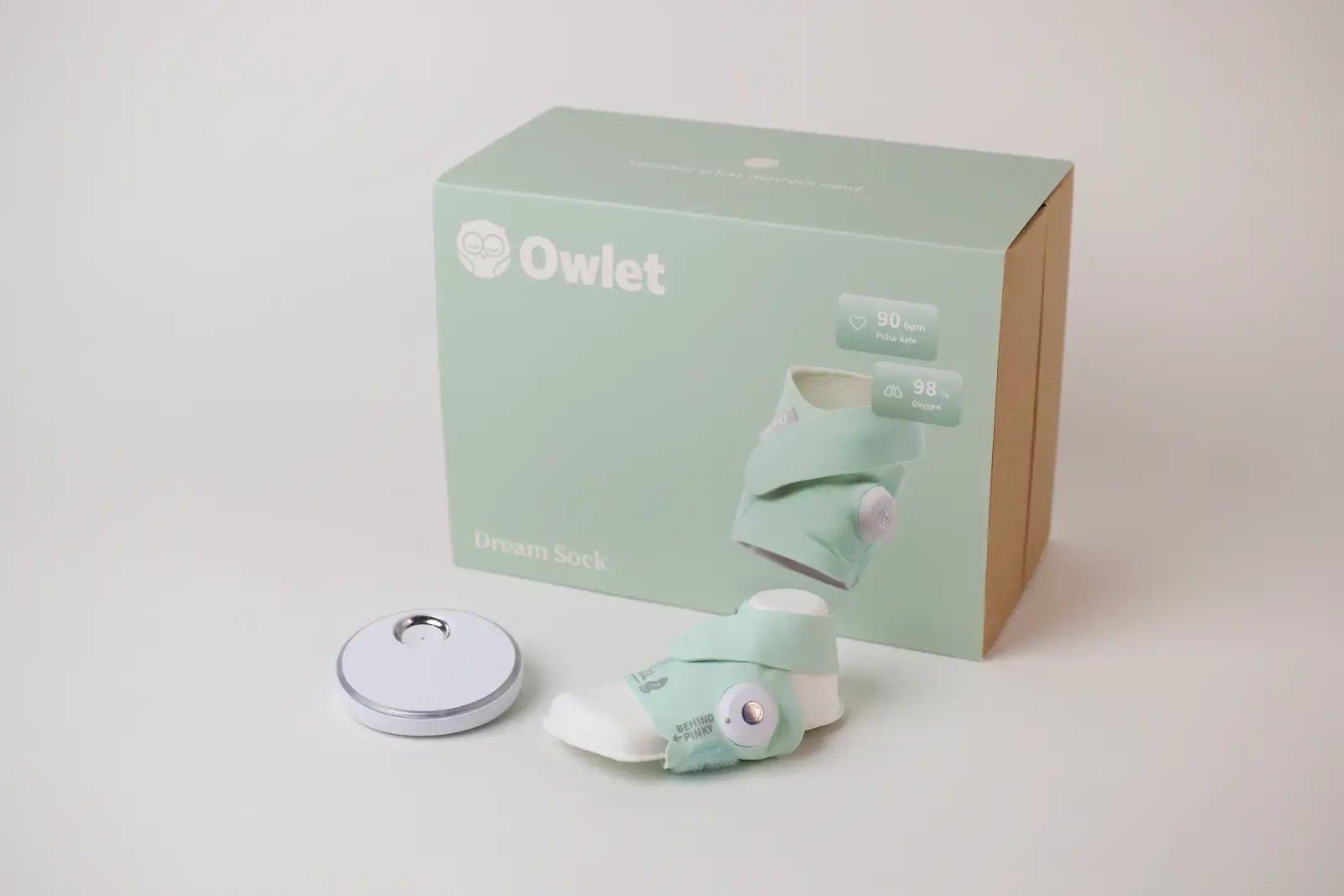
It’s also the only one of the three with a real oxygen alarm. It fires if oxygen drops below 80% or the pulse rate leaves a safe band.
The threshold is preset and the alert can take up to a minute, so treat it as a backstop rather than an early warning. It’s a backstop the other two simply don’t have.
Two things set it apart. Its sensor has the widest light gap of the three, 31 mm across versus 25.5 on the BabyTone and 23.4 on the Sense-U, which is a big reason the signal actually holds.
Its base station also pushed a “sock came off” alert to my phone while I was miles from the house, over Wi-Fi. The budget socks needed the app open on-screen to say anything.
One honest caveat. The trend data and sleep scores sit behind an optional subscription. The live oxygen, pulse, and alarms are free forever, and you only pay if you want the history. For most parents, the free layer does the whole job.
Want the deep accuracy data, the fit math, and the blue-LED skin-tone story that matches that light spectrum graph just above here? It’s all in my full Owlet Dream Sock review.
Buy it if you want the most trustworthy read and a real oxygen alarm. Skip it if the price is out of reach, because the BabyTone covers the basics for less. Check the current price on the Owlet Dream Sock.
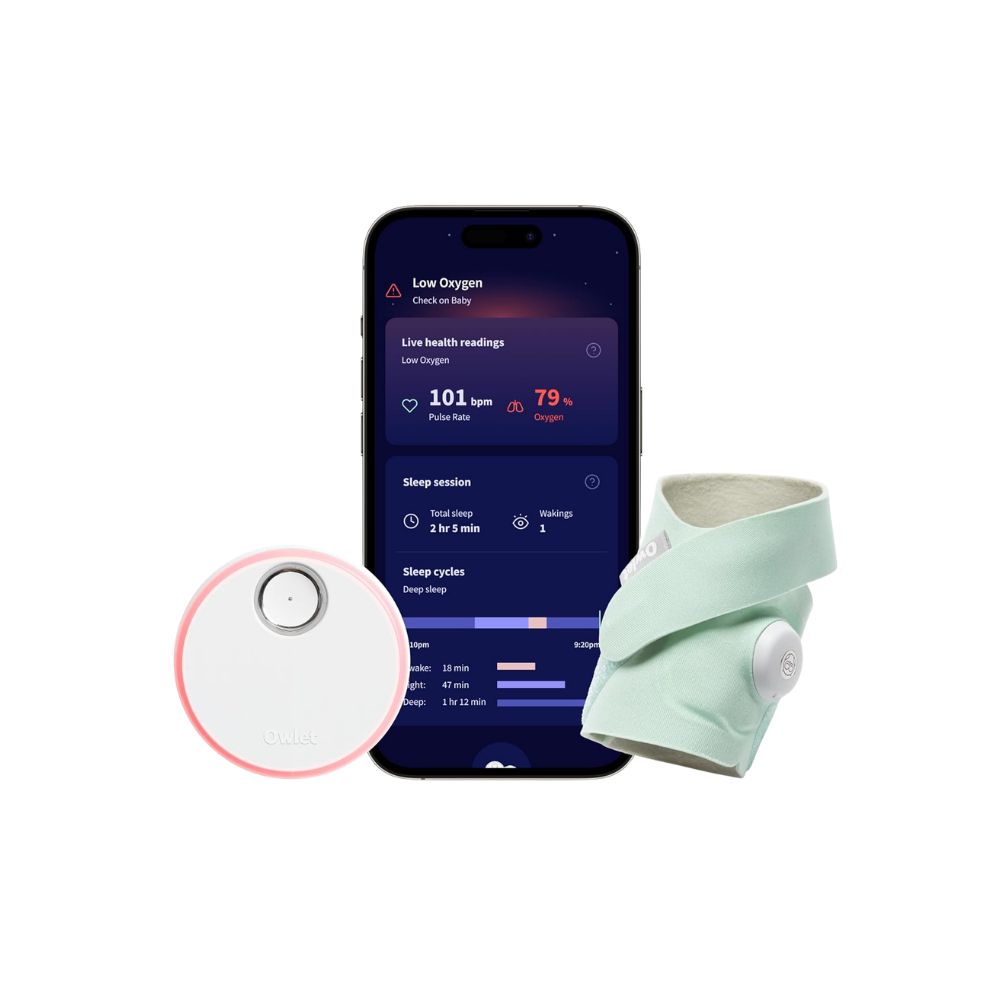
Best Overall
Owlet Dream Sock
The one I put on my own son. It read within 2% of a hospital monitor and is the only sock here with a real oxygen alarm — worth the premium if you want the real thing.
Pros
Cons
BabyTone Sleep Sock — Best Budget
The BabyTone is the cheap sock I’d actually use, with one limit you need to know going in.
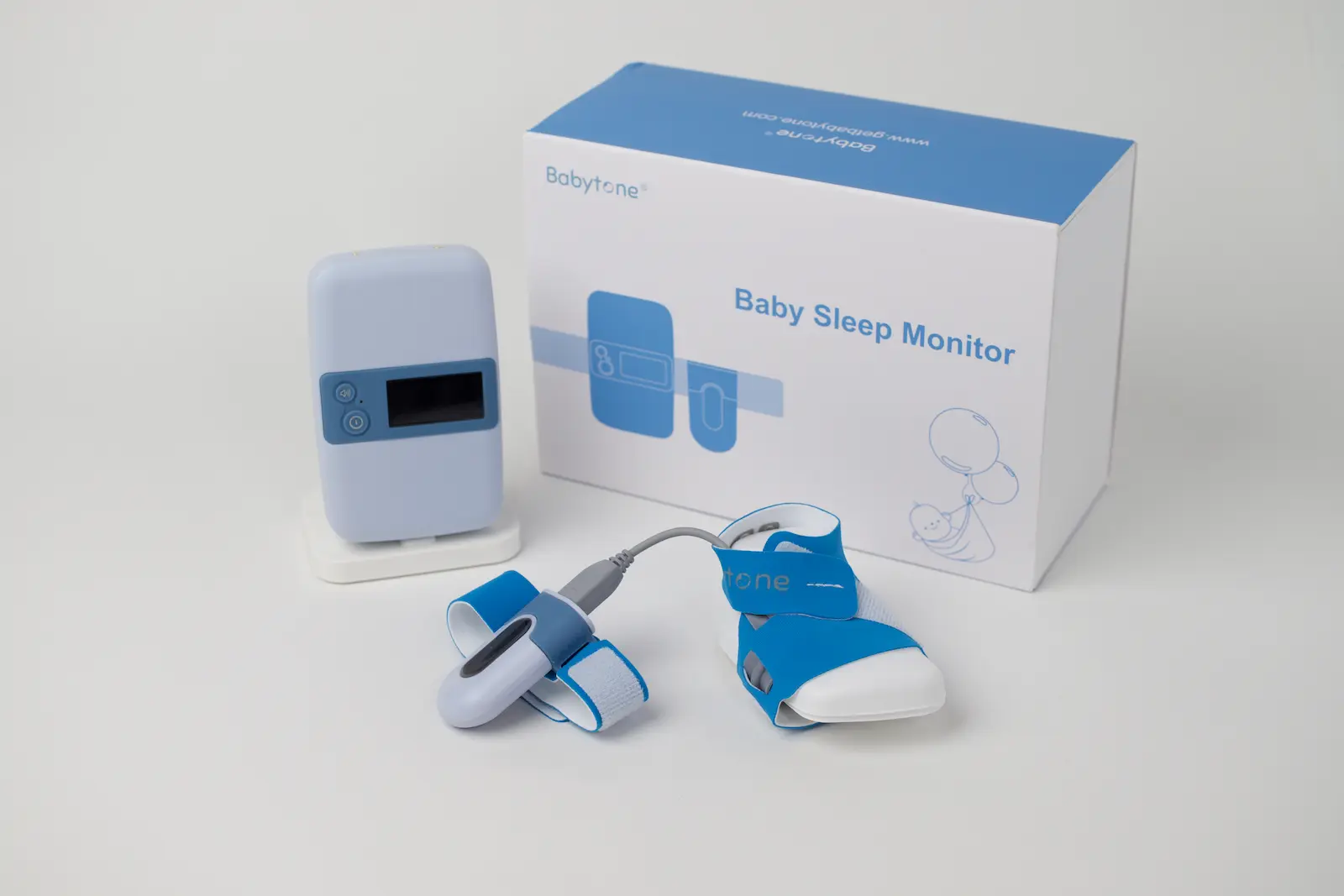
On heart rate, it’s genuinely good. It tracked within about 1 bpm of the Nonin across the night, a −0.98 bpm bias over more than 5,000 paired readings.
Its alarm base hit every threshold I bench-tested with zero false alarms. The base also pops off its dock to run on battery, so you can carry it room to room with no phone.
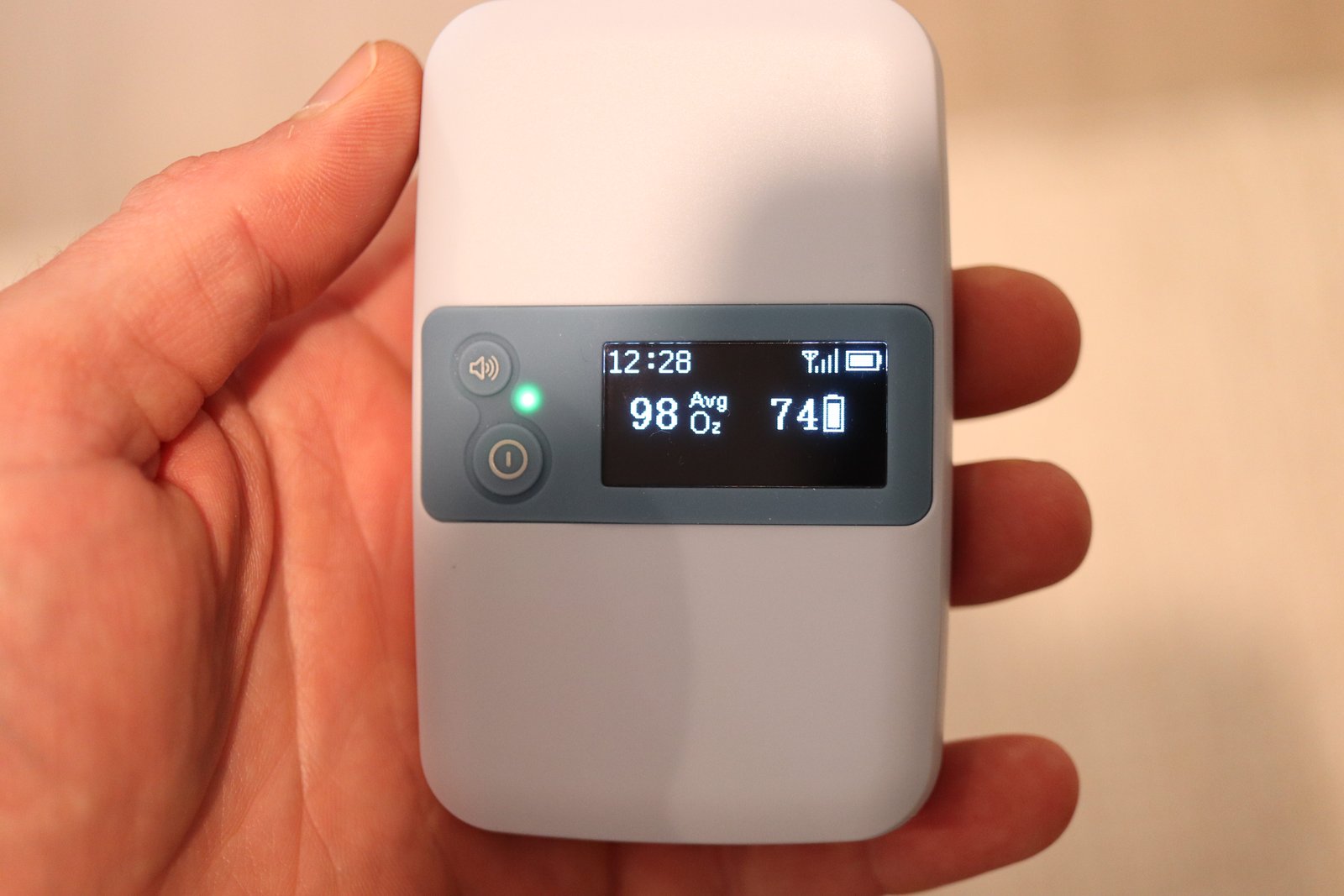
Here’s the limit. The BabyTone never shows you a live oxygen number. Oxygen appears only as a rolling 10-minute average, and there’s no oxygen alarm watching it. The big number your eye jumps to on the screen is actually the pulse rate.
For a lot of parents that’s a fair trade at this price. For some, it’s a dealbreaker, so I’m putting it right up front.
The fit skews small. My son is six months and 18 pounds, and his foot was already near the top of what this sock can physically read, so a bigger baby may age out before the weight chart says so.
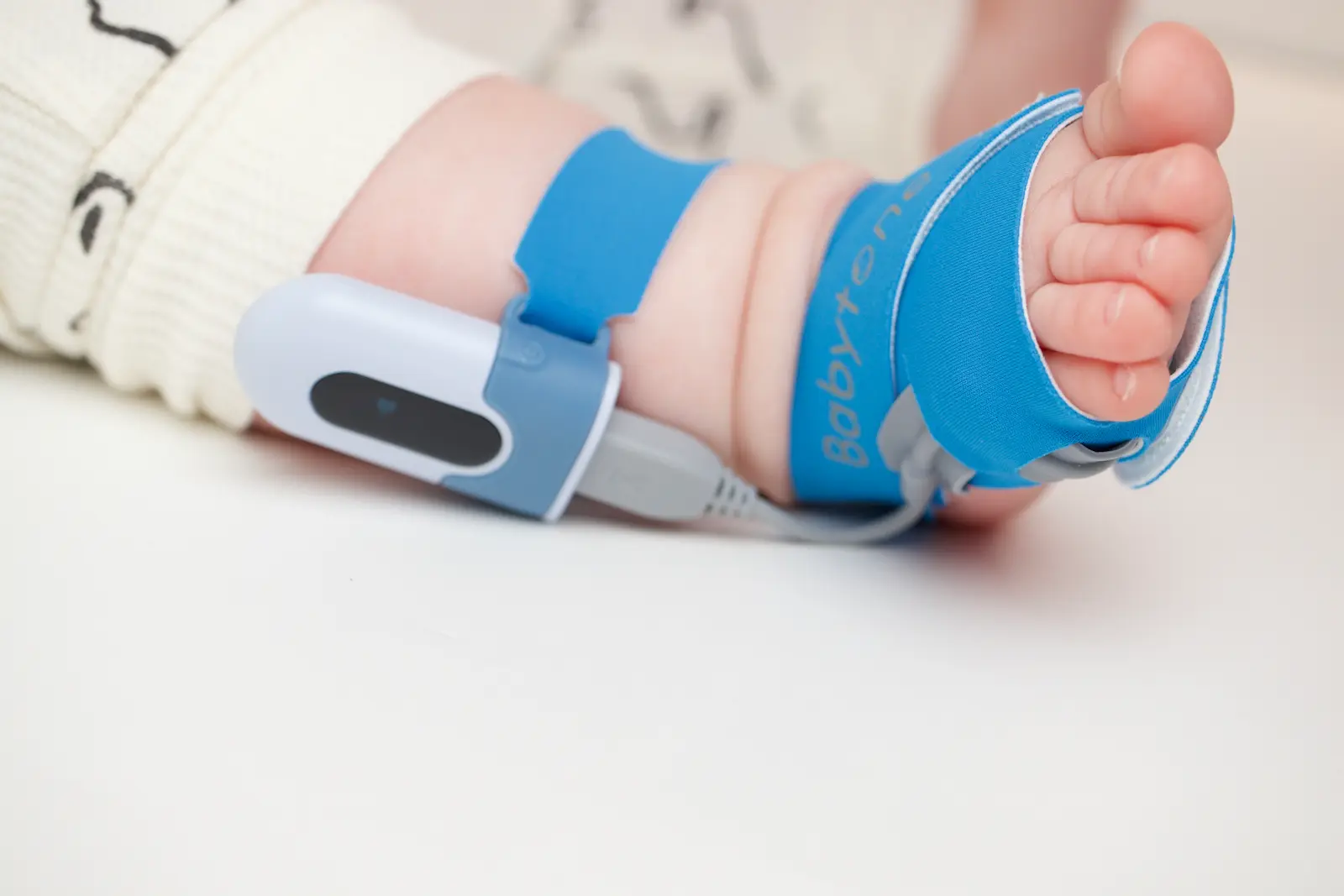
Full heart-rate charts, the oxygen-gap breakdown, and the base-station walkthrough are in my BabyTone Sleep Sock review.
Buy it if you want honest heart-rate tracking and a portable alarm base for a lot less. Skip it if a live oxygen number and an oxygen alarm are the whole reason you’re shopping, because then it’s the Owlet. Check the price on the BabyTone.
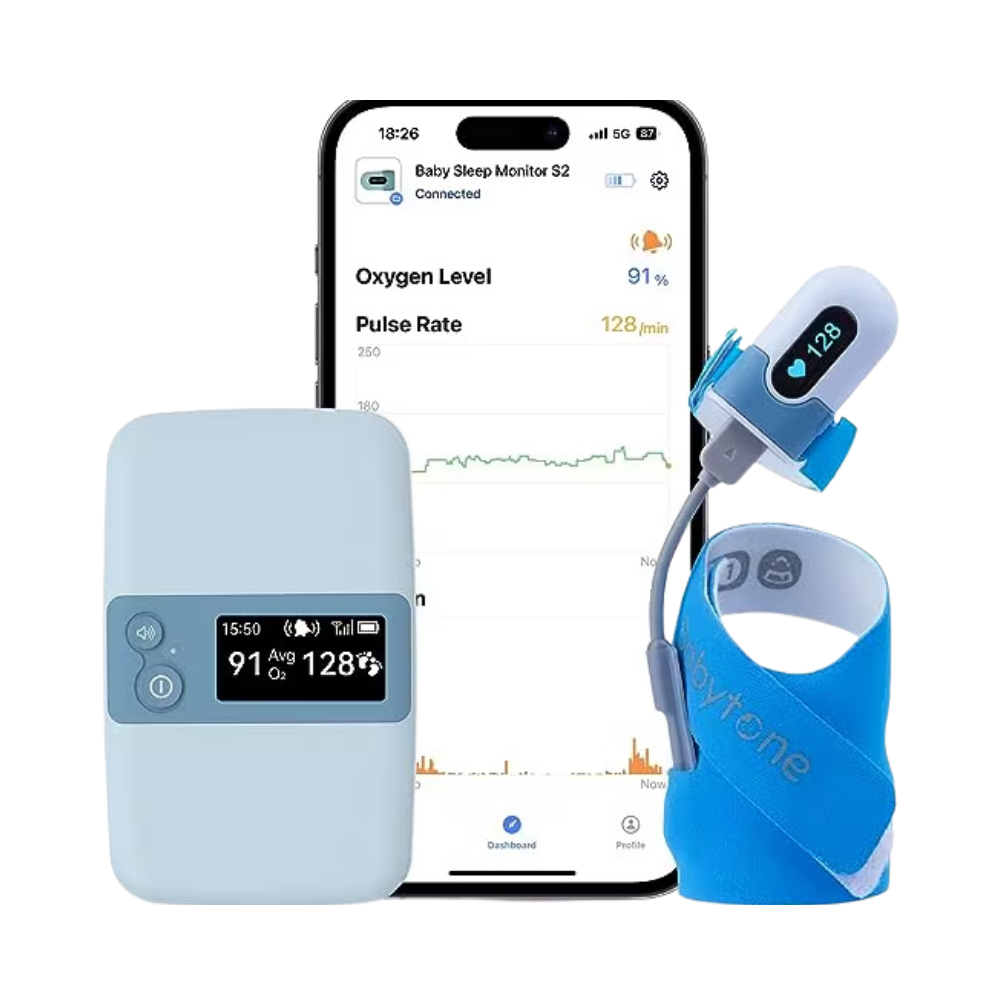
Best budget
BabyTone Sleep Sock
The budget pick that actually earns it — hospital-close heart rate and a portable alarm base for about a third less. Just know its oxygen is a 10-minute average, not a live alarm.
Pros
Cons
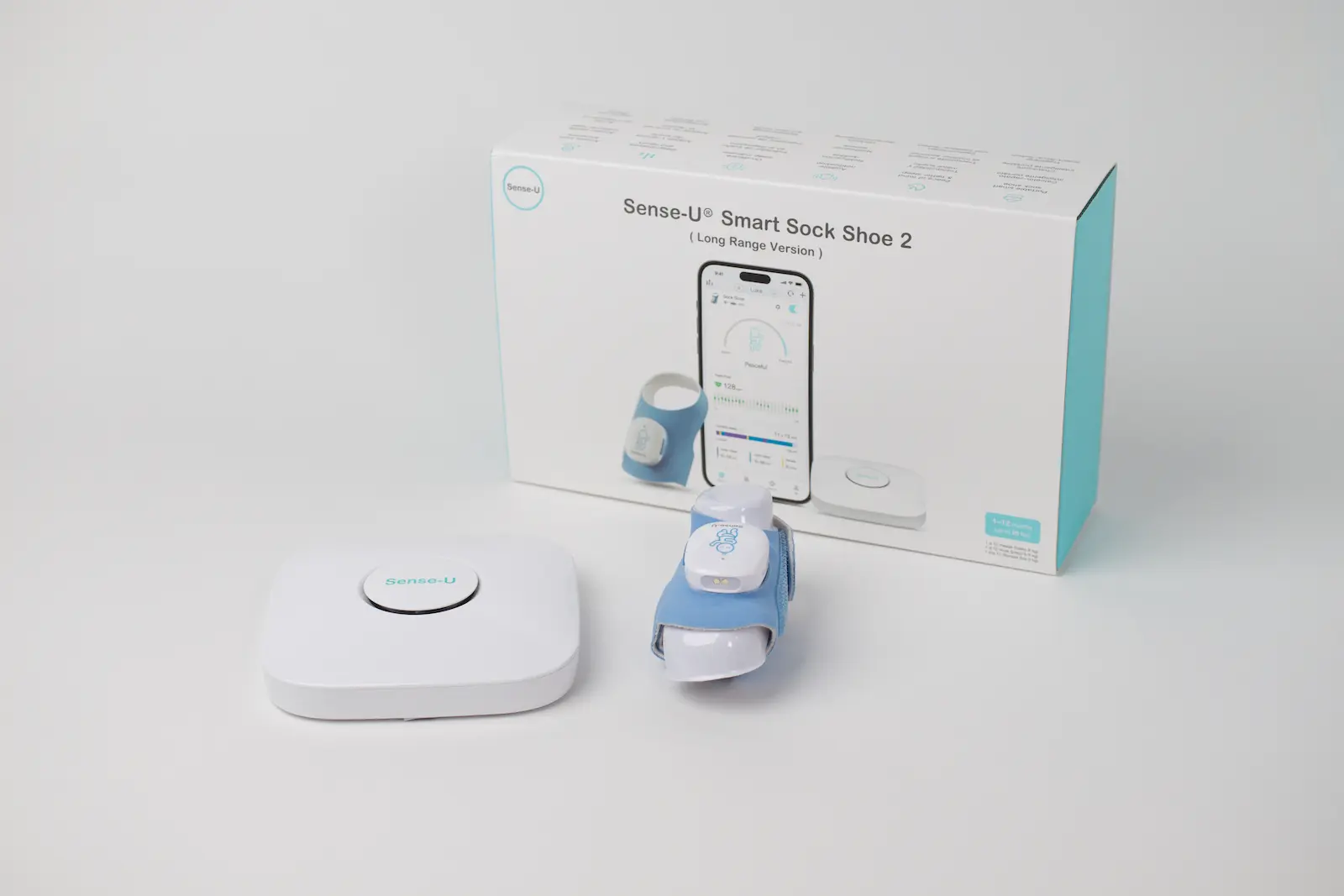
The One I’d Skip: Sense-U Smart Sock
I wanted the Sense-U to win. It copies the Owlet’s look and its promise for less, and I tried hard to make it work. I couldn’t.
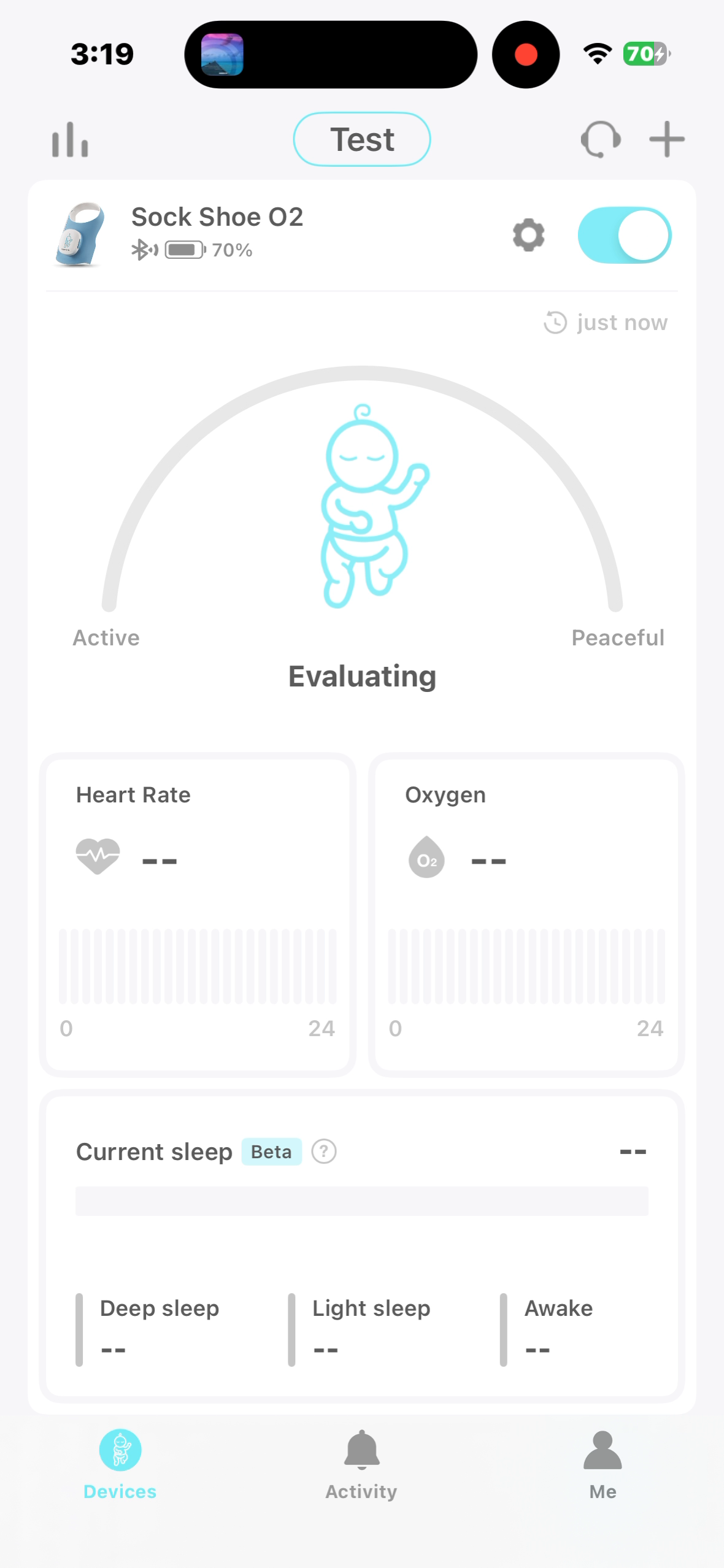
It wouldn’t hold a signal. On my son’s foot the oxygen readout just sat on dashes. On my own finger it caught a reading for maybe 30 seconds, then dropped back to “Evaluating.” There’s no oxygen alarm to even configure, just an on/off toggle and a disclaimer.
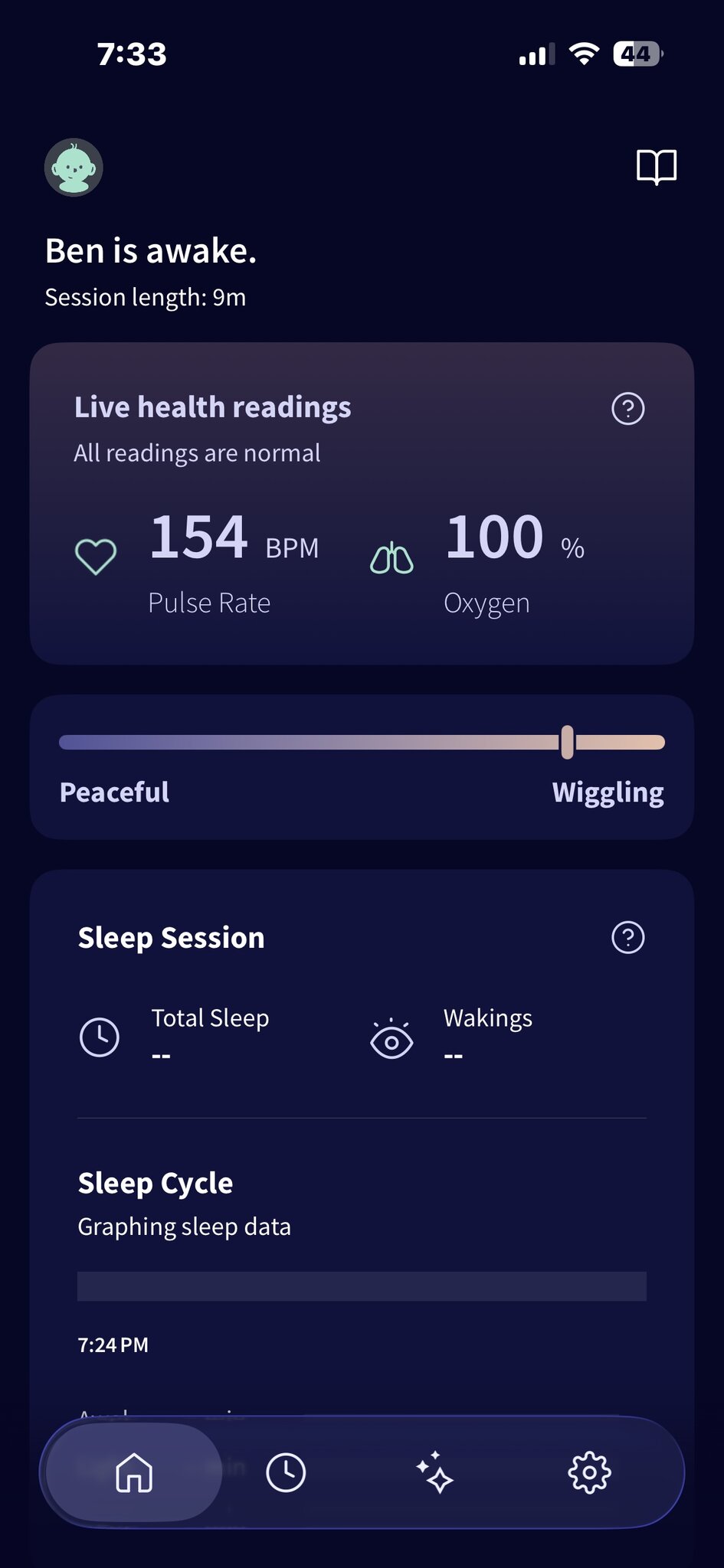
And the one alarm it does have didn’t fire. I set the low heart-rate threshold to 70, put the sensor on my finger, and let my pulse settle to 70. Nothing happened.
Sense-U’s own connection FAQ also says the app has to stay open in the foreground or it can’t stay connected. A monitor you have to sit and watch isn’t a monitor.
To its credit, Sense-U says in its own disclaimer that this isn’t a medical device and shouldn’t be relied on for safety. On that one point, I agree with them.
I’m not linking a place to buy it. If you were about to, put the money toward the Owlet Dream Sock or the budget BabyTone instead. The full breakdown, with the screenshots, is in my Sense-U Smart Sock review.
What to Look For in an Infant Oxygen Monitor
Four things separated the sock I trust from the two I don’t.
Does the signal actually hold? This is where most of them fail, and it comes down to the sensor. The wider the gap between the light source and the detector, the better the read through a chubby foot.
The Owlet’s wider sensor gap is one of the reasons it held a clean signal where the others dropped out.
Is there a real oxygen alarm, or just a number? A live oxygen reading is nice. An alarm that wakes you when it drops is the actual point. Only the Owlet has one here.
Is it FDA-authorized, or “wellness”? The Owlet’s oxygen monitoring is FDA-authorized under De Novo DEN220091 (2023). The other two are wellness devices, not cleared for medical use. That’s fine, as long as you know the difference.
Will an alert reach you across the house? The Owlet’s Wi-Fi base pushes alerts to your phone anywhere you have signal. The budget socks need the app open in the same room.
Pulse Oximeter vs Movement Monitor vs Camera
Most “best baby monitor” lists mix three completely different products, and it trips people up.
A wearable pulse oximeter, everything on this list, reads your baby’s blood oxygen and pulse rate through the skin. A movement monitor like a Snuza clip or a sensor pad watches for the motion of breathing, not oxygen. A camera such as a Nanit watches with video and, at most, estimates breathing from the picture.
If oxygen is what you care about, you want a sock, not a camera. The most-searched “baby monitors” don’t measure oxygen at all, and as you can see even devices that have the technology to get the oxygen data can struggle.
Do These Actually Work?
Honestly, they work as awareness tools, not as safety devices. It’s worth being clear about the difference.
These socks track oxygen and pulse and can alert you to a drop. They do not monitor breathing directly, they can’t prevent anything, and no consumer monitor prevents SIDS.
Plenty of pediatricians are cautious for exactly this reason. A false alarm at 3 a.m. can do more for your anxiety than for your baby, and the AAP doesn’t recommend home monitors to reduce SIDS risk in healthy infants. Its a piece of mind, and one of many layers to deduce risk.
This is a reason to know what you’re buying: peace of mind and data, not a guarantee. I dug into the evidence, what pediatricians actually say, and where a monitor honestly fits in do baby monitors prevent SIDS.
A Monitor Is One Layer: The Pillars That Actually Reduce Risk
Here’s the part that gets the least attention and can really move the needle on reducing risk . A monitor is an awareness layer. It tells you when something is already wrong.
It doesn’t lower the risk of it happening. These five, grounded in the AAP’s 2022 safe-sleep policy and the research behind it, do.
- A firm, flat sleep surface. The AAP calls for a firm, flat mattress with a tight sheet and nothing else, which reduces the suffocation and rebreathing risk. A breathable crib mattress like the Newton Original fits.
- A bedside bassinet for room-sharing. Sharing a room without sharing a bed is associated with reduced SIDS risk, per the AAP. A flat, never inclined, bassinet like the Halo BassiNest keeps baby close on their own safe surface.
- A sleep sack instead of loose blankets. Loose bedding is a documented suffocation risk. A wearable blanket like the HALO SleepSack keeps baby warm without it. Non-weighted only, since the AAP and FDA caution against weighted infant sleepwear.
- A pacifier at sleep. Offering a pacifier at sleep onset is associated with reduced SIDS risk, a genuine protective factor. A one-piece silicone Philips Avent Soothie is the standard.
- A cool room. Overheating is a risk factor, and fan use in the sleep room has been associated with reduced risk. A quiet bladeless tower fan keeps the room in range (Coleman-Phox 2008).
None of these “prevent SIDS,” and I won’t tell you they do. They’re associated with lower risk, and together they’re the system a monitor sits on top of, not the other way around.
What’s a Normal Oxygen Level for a Baby?
A healthy baby’s blood oxygen usually sits around 95 to 100% awake, and it’s normal for it to dip a little during sleep. Brief drops happen and self-correct.
What matters is a sustained low reading. If a monitor shows oxygen staying in the low 90s or below, or your baby looks blue around the lips or face, that isn’t a gadget question.
Call your pediatrician, or 911 if they’re struggling to breathe. A sock is there to make you aware, and your doctor makes the call.
The Verdict
If you want the real thing, accurate oxygen with a genuine alarm and an alert that reaches you anywhere, it’s the Owlet Dream Sock. If money’s tight and you can live with oxygen-as-average, the BabyTone is a lot of monitor for the price. Skip the Sense-U.
And whichever you pick, remember it’s one layer. The sock watches. The safe-sleep basics are what actually lower the risk. Get both right and you’ve done the thing you were standing over the crib worrying about.
Sleep well, both of you.
Frequently Asked Questions
Common questions about
Awake, a healthy baby usually reads 95 to 100%. Brief dips in sleep are normal. A sustained reading in the low 90s or below, or any blue tint to the lips, is a reason to call your pediatrician, or 911 if breathing looks labored.
On the foot for these socks. The sensor wraps so the light source and detector sit across the top and bottom. A standard fingertip clip doesn’t fit a newborn, so the wrap-style foot sensor is what’s designed for it.
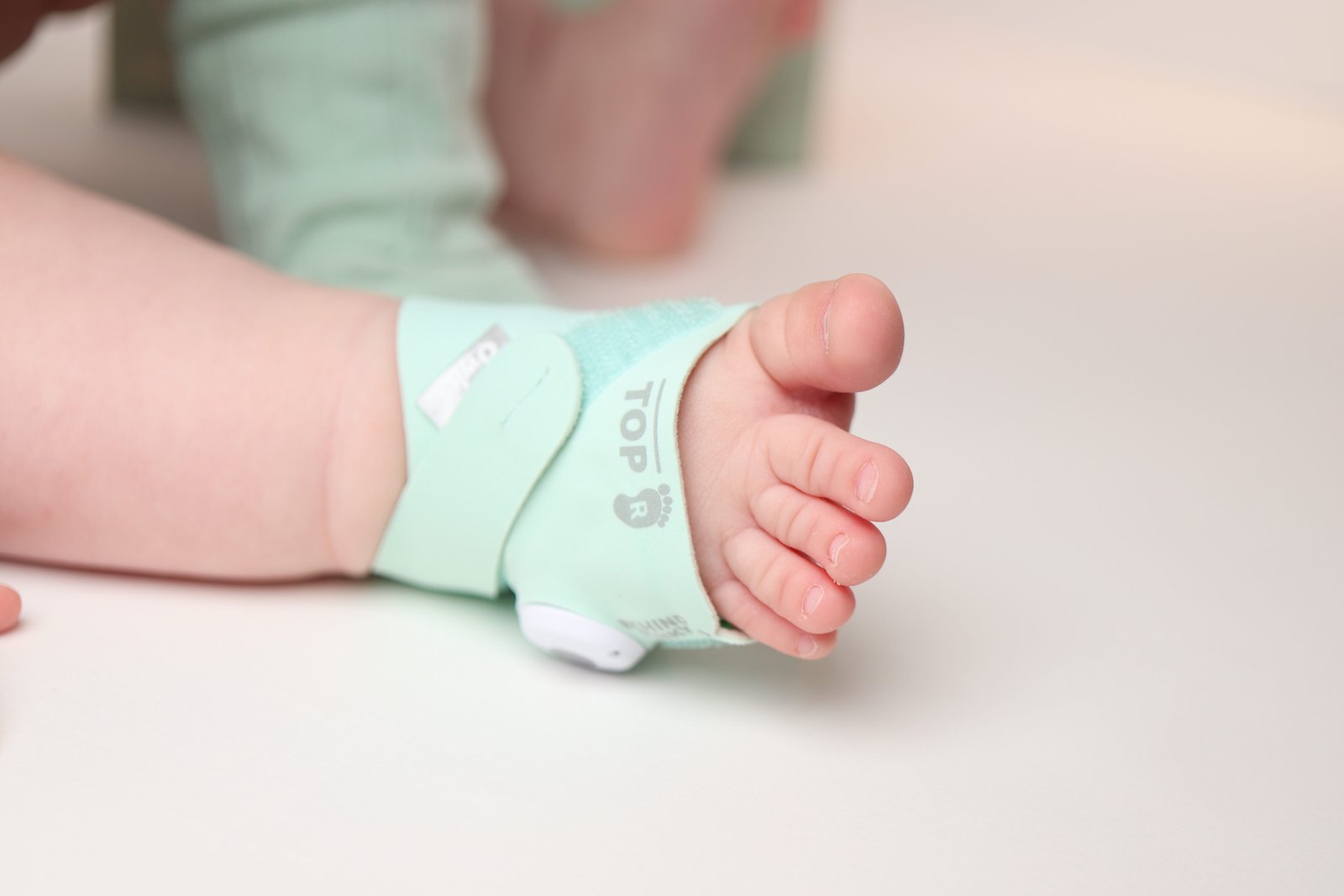
Not well. Adult fingertip clips are sized for adult fingers and won’t seal on a tiny foot or hand, so the reading bounces. Use an infant-specific wrap sensor like the socks here.
Only the Owlet Dream Sock. Its oxygen monitoring is authorized under De Novo DEN220091. The BabyTone and Sense-U are wellness devices, not cleared for medical use.
If you want overnight peace of mind, you want a continuous sock that reads all night and can alarm. A spot-check fingertip reader gives you one number when you hold it on, which is useful for a quick check but not for sleep.
For many parents the peace of mind is worth it, but be clear-eyed. The AAP doesn’t recommend home monitors to lower SIDS risk in healthy infants, and false alarms are real. Buy one for reassurance and data, not as a safety guarantee.
Most parents use them through the first several months to a year, when they’re most anxious, then taper off. There’s no medical rule. It’s about your own peace of mind, and the socks size out as your baby grows.
Keep reading
 Pulse Oximeters
Best Overnight Pulse Oximeters for Sleep Apnea (Lab Tested)
 Pulse Oximeters
Which Wellue Oximeter Should You Buy? 5 Models Lab-Tested
 Pulse Oximeters
Checkme O2 Max Review: I Tested It for 3 Nights Against a $1,500 Hospital Oximeter
 Pulse Oximeters