

The Checkme O2 Max is the one I recommend when you want clean, trustworthy overnight oxygen data you can actually do something with. It’s FDA-cleared, it ran three nights on a charge, and it tracked a hospital-grade Nonin 3150 almost perfectly. Here’s what three nights of side-by-side testing showed, and where it fits.
Review Summary
The O2 Max is the data person’s overnight oximeter. In three nights against my $1,500 Nonin 3150 it scored 90.7/100, with a near-perfect +0.2% bias and readings that stayed within 2% of the reference 99.7% of the night.
It’s the Tesla of the lineup: premium build, a 72-hour battery, an app that exports clean data straight into OSCAR, and an FDA 510(k) clearance most of its rivals don’t have. The trade-offs are physical, not digital.
Pros
Cons
New to the category? My best overnight pulse oximeters lab test ranks the whole field; this is the deep dive on the FDA-cleared pick.
Test Protocol
What the Checkme O2 Max Is
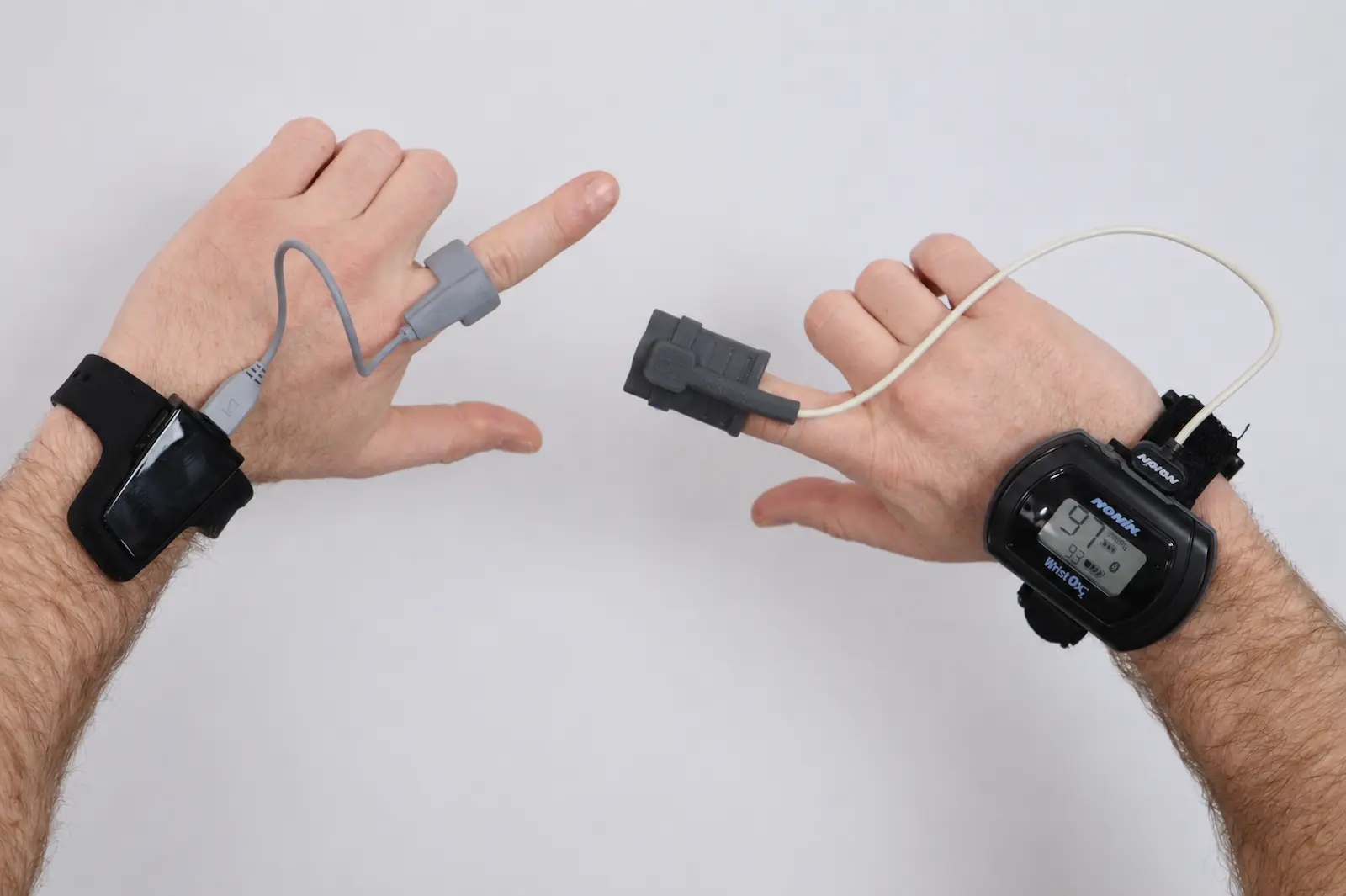

The O2 Max is a wrist-worn overnight oximeter. A small screen unit sits on your wrist like a watch, and a soft sensor on a short cord clips to the base of your finger to read your blood oxygen and heart rate all night.
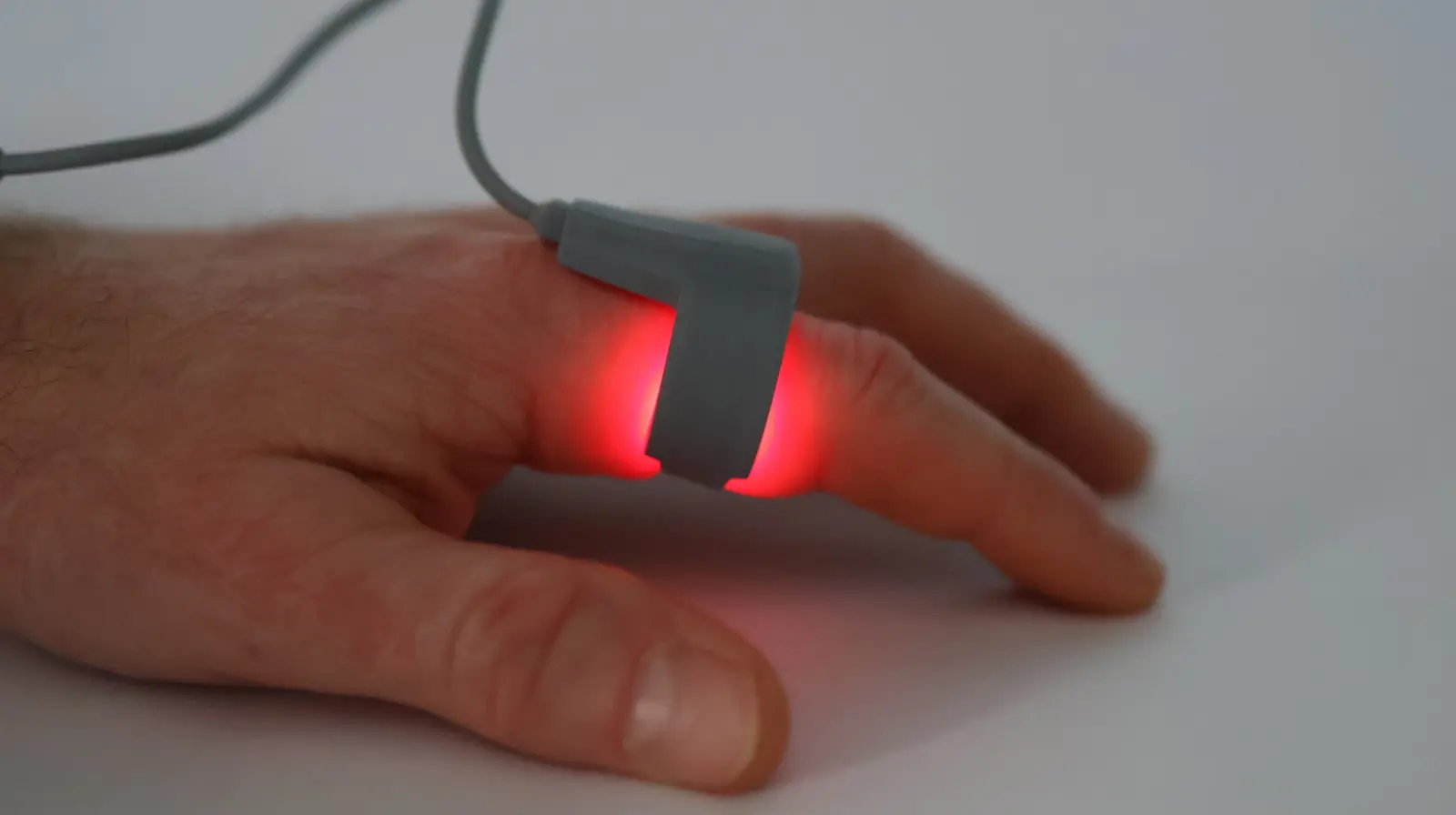
That two-piece design is the point. The sensor sits low on the finger, so you can curl your hand naturally in your sleep instead of sleeping around a rigid fingertip clip.
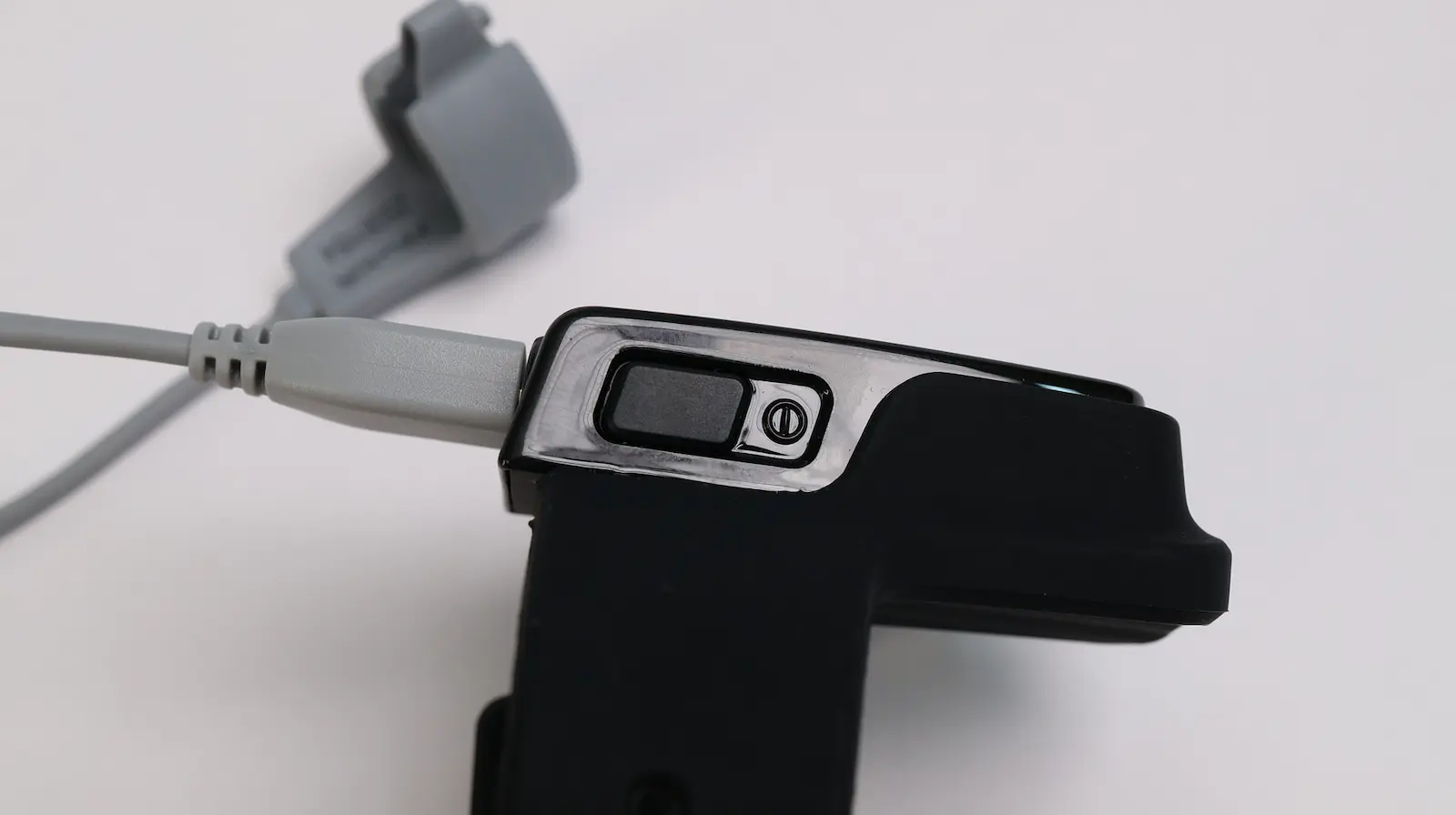
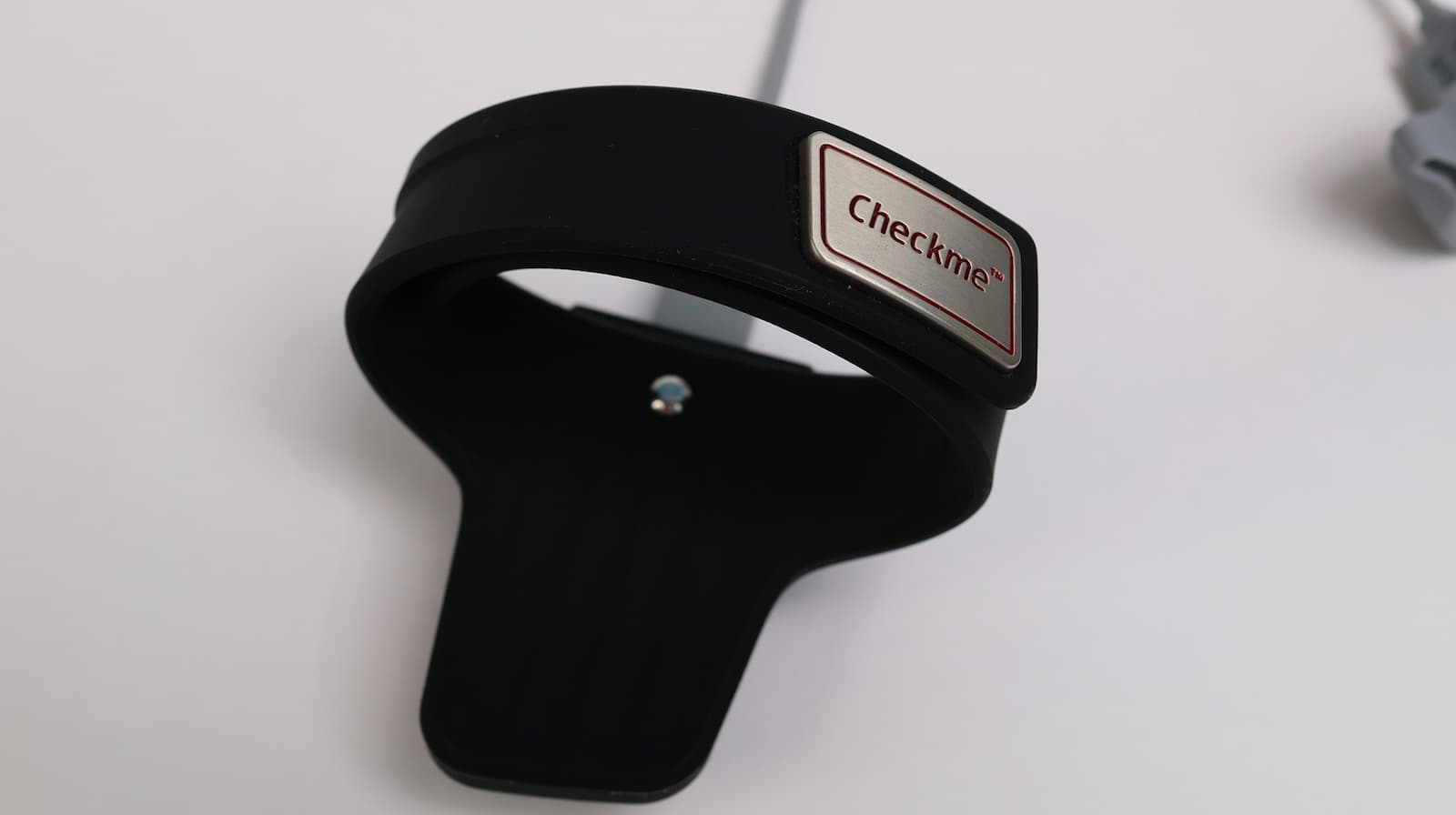
The build is a step up from the budget units. Glossy black casing, a smooth long band, a tactile side power button, and a single port that does double duty for charging and for the sensor cable.
The Accuracy Data
Here are the numbers, lined up against the Nonin 3150 second by second and averaged across three nights.
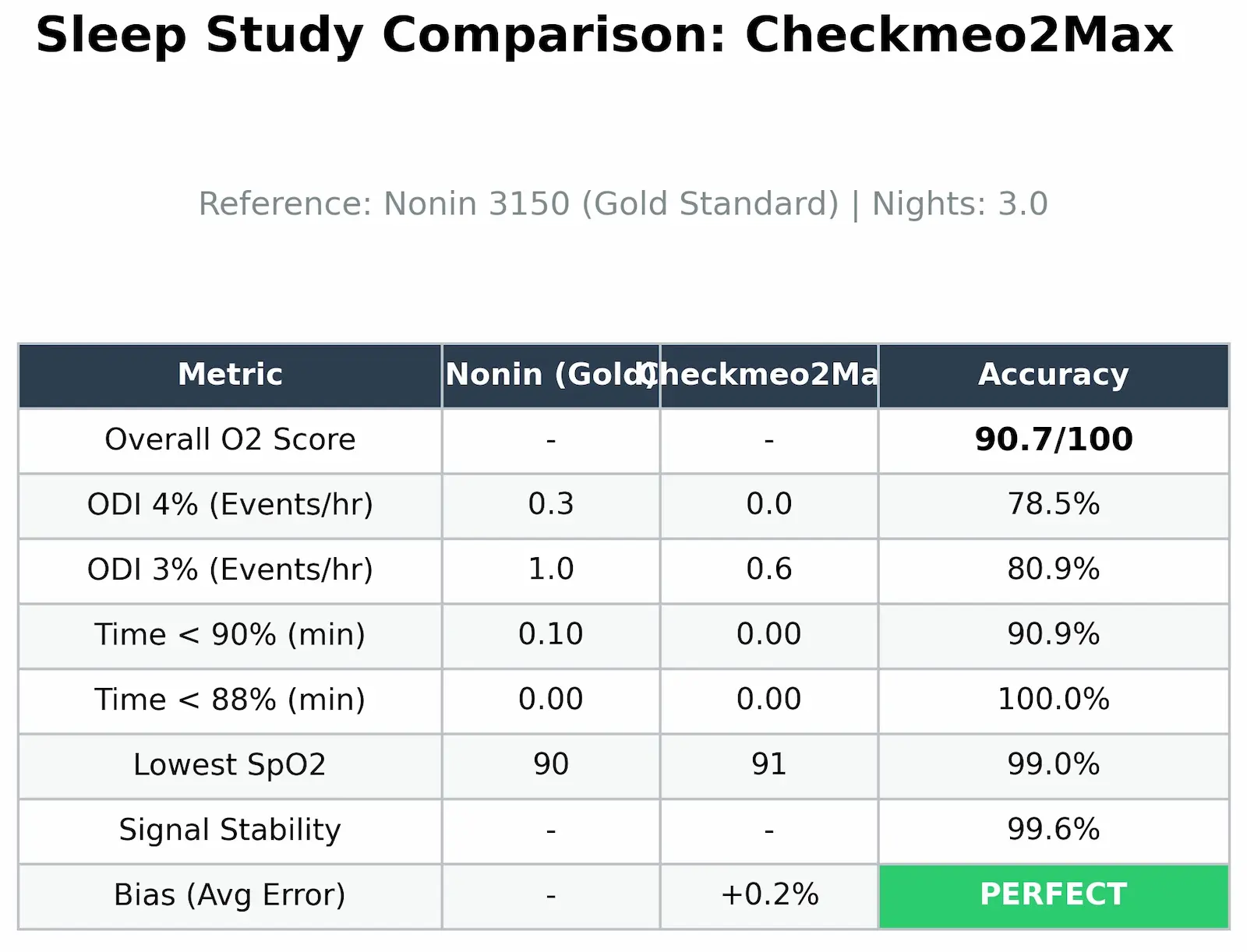
On steady oxygen, this is one of the most accurate devices I’ve tested. Its average bias was +0.2%, signal stability was 99.6%, and across more than 79,000 paired readings it stayed within 2% of the hospital reference 99.7% of the night. It also caught the night’s true low, reading a 91% nadir against the Nonin’s 90%.
Three nights of per-minute deviation from the Nonin. The green band is the ±2-point agreement zone, and each night is its own line — tap a night to read it on its own.
Think of each line as one night’s report card.
- The Center Line (0): A perfect score. At that moment the device matched the hospital-grade Nonin exactly.
- The Green Band (+2 /-2): The guard rails. Hospital oximeters are themselves allowed a ±2-point tolerance, so as long as a line stays inside the band, the device is tracking the medical equipment as closely as medical equipment tracks itself.
- The Night Buttons: Each colored line is one full night. Tap a night above the chart to view it on its own — the Bias, Within ±2, and Worst Moment boxes below recalculate live for whatever you’re looking at.
- The Takeaway: Notice how the lines spend almost the entire night inside the band. That’s what reliability looks like.
Where it slips, honestly, is the briefest dips. Across the three nights the Nonin counted about 1.0 short 3% desaturation an hour; the O2 Max logged 0.6. On the deeper 4% dips the Nonin counted 0.3 an hour and the O2 Max logged none.
Brief desaturations per hour, O2 Max against the hospital reference, averaged across the three nights.
Read those numbers for the scale they sit on. Across those same three nights the Nonin itself counted anywhere from 0.4 to 2.0 short dips an hour — a five-fold swing, on the same person, in the same bed.
When a device lands a few tenths of an event off the reference, it’s sitting inside the night-to-night noise of the person wearing it. That’s why I won’t rank these on the last decimal, and why the O2 Max earns its spot on the whole package rather than one number.
For the vast majority of people watching their overnight oxygen, dead-on steady readings plus most of the dips is exactly what you want from a device you’ll actually trust.
The Overnight Comfort Test
Comfort is a 7/10, and the honest context matters: this is a wrist unit with a finger sensor, so it’s inherently bigger than a ring. For what it is, it wears well. It stayed put all night, never caught on anything, and the low-sitting sensor genuinely lets you bend your finger.
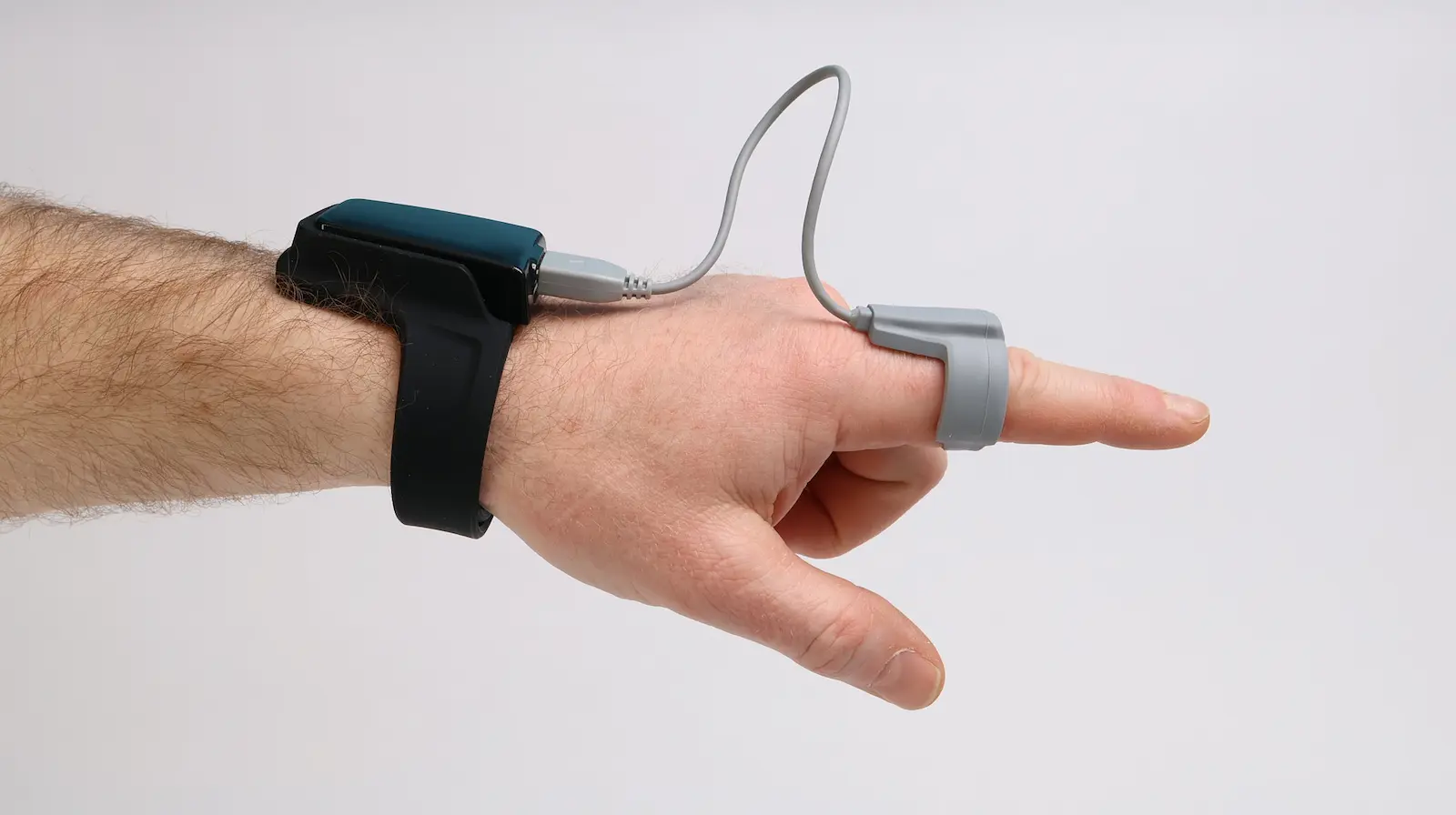
Two real annoyances. The clasp is stiff — you have to push hard to seat it, though mine loosened up after a few nights. And it’s built for the left wrist; wear it on the right and it works fine, but the screen won’t flip, so you read it upside down.
If a barely-there fit is your top priority, this isn’t the form factor for you, and I’ll point you to a ring in the verdict.
Best FDA Cleared
Wellue Checkme O2 Max
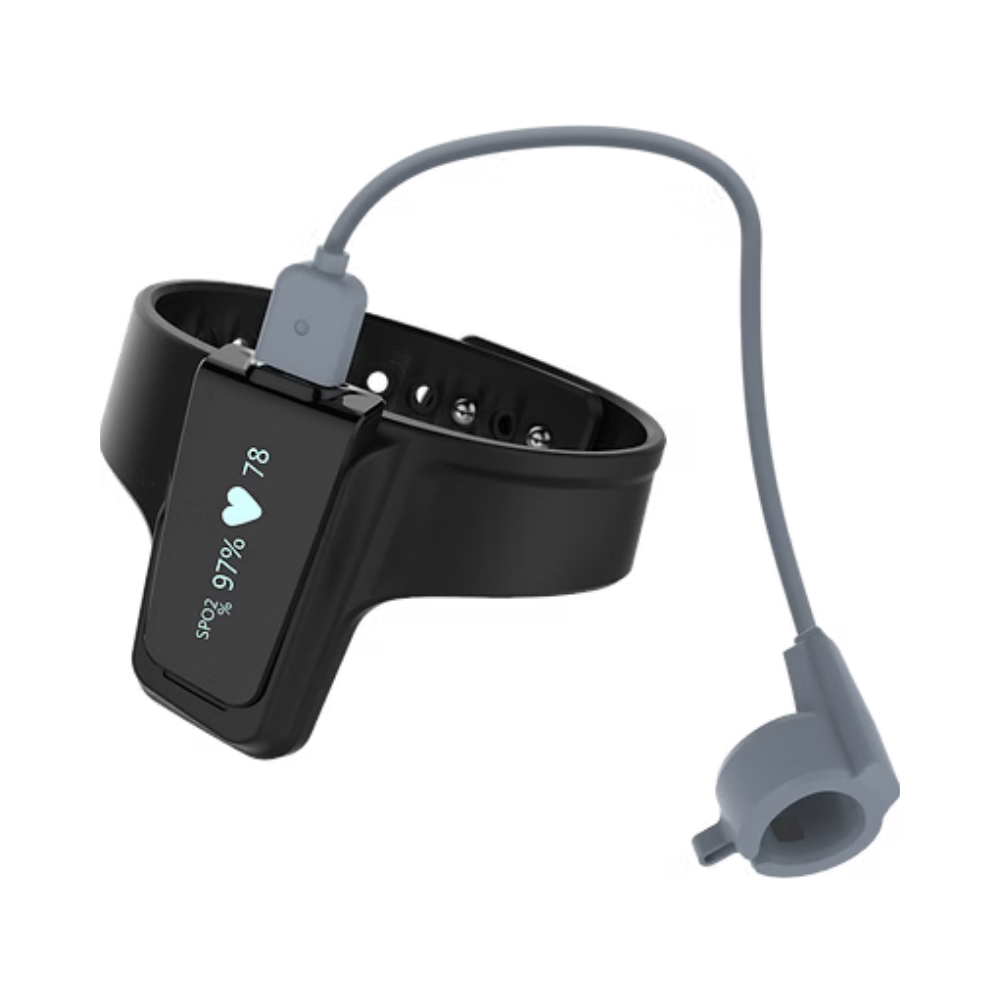
The FDA-cleared data pick. 90.7/100 against a hospital Nonin, 72-hour battery, clean OSCAR export. Bigger than a ring, but it wears well.
The App and the Data
The O2 Max runs on Viatom’s ViHealth app, and this is where it pulls ahead. Pairing is instant, the night syncs in seconds, and the app shows your O2 score, your lowest reading, and your drops without making you dig.
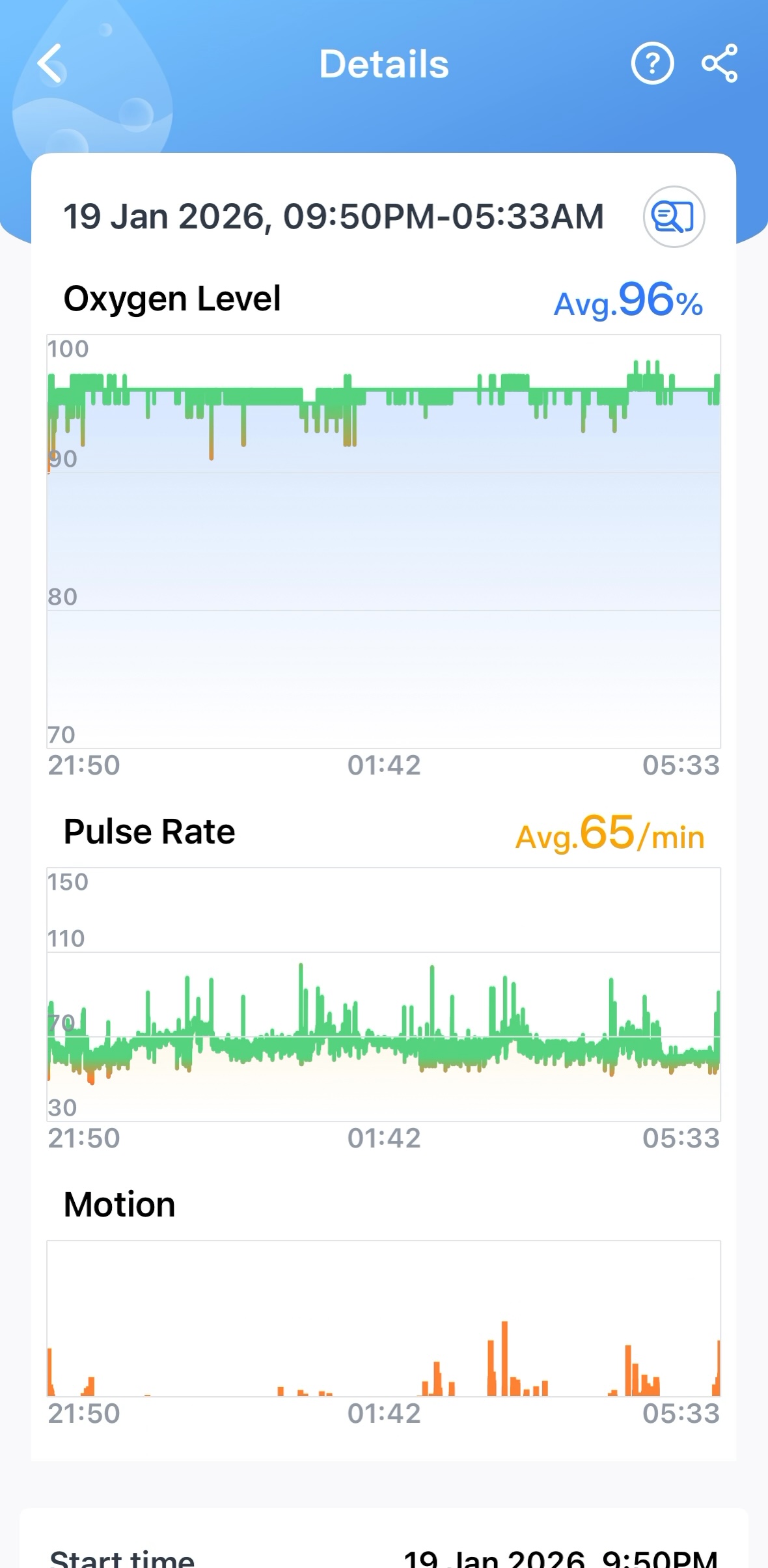
Export is the real story for anyone troubleshooting a CPAP. You tap share and send the night out as a clean CSV that drops straight into OSCAR, the free sleep-data software. My own analysis pipeline read it without a hiccup, which is more than I can say for some pricier devices.
Add the 72-hour battery and a clean 4-second recording interval, and this is the device I reach for when I want data I can actually work with, not just a morning summary.
Curious how it stacks up on paper against the rest of the range? I keep a running continuous oximeter database with the specs side by side.
Bonus Data: Three Nights, Night by Night
For the data nerds: the accuracy chart above isn’t three nights averaged into one line, it’s all three plotted together. Tap the night pills under it to drop Nights 2 and 3 and read a single night on its own — the Bias, Within ±2 and Worst-moment figures recompute for whatever you’re looking at.
Do that for each night in turn and the story doesn’t change. Every night agreed with the Nonin better than 99% of the time, and the bias never drifted past a third of a point.
That night-to-night repeatability is what earns the 99.6% stability score. A device that only behaves on its best night isn’t one you can trust with a trend.
Final Verdict: Who Should Buy It
This is a device I recommend without hedging, as long as the form factor fits your life. In my testing the O2 Max pairs top-tier steady-state accuracy with the best data workflow in the lineup and an FDA clearance most rivals lack. If you want overnight oxygen you can trust and drop into OSCAR, the Checkme O2 Max is the one I’d hand you.
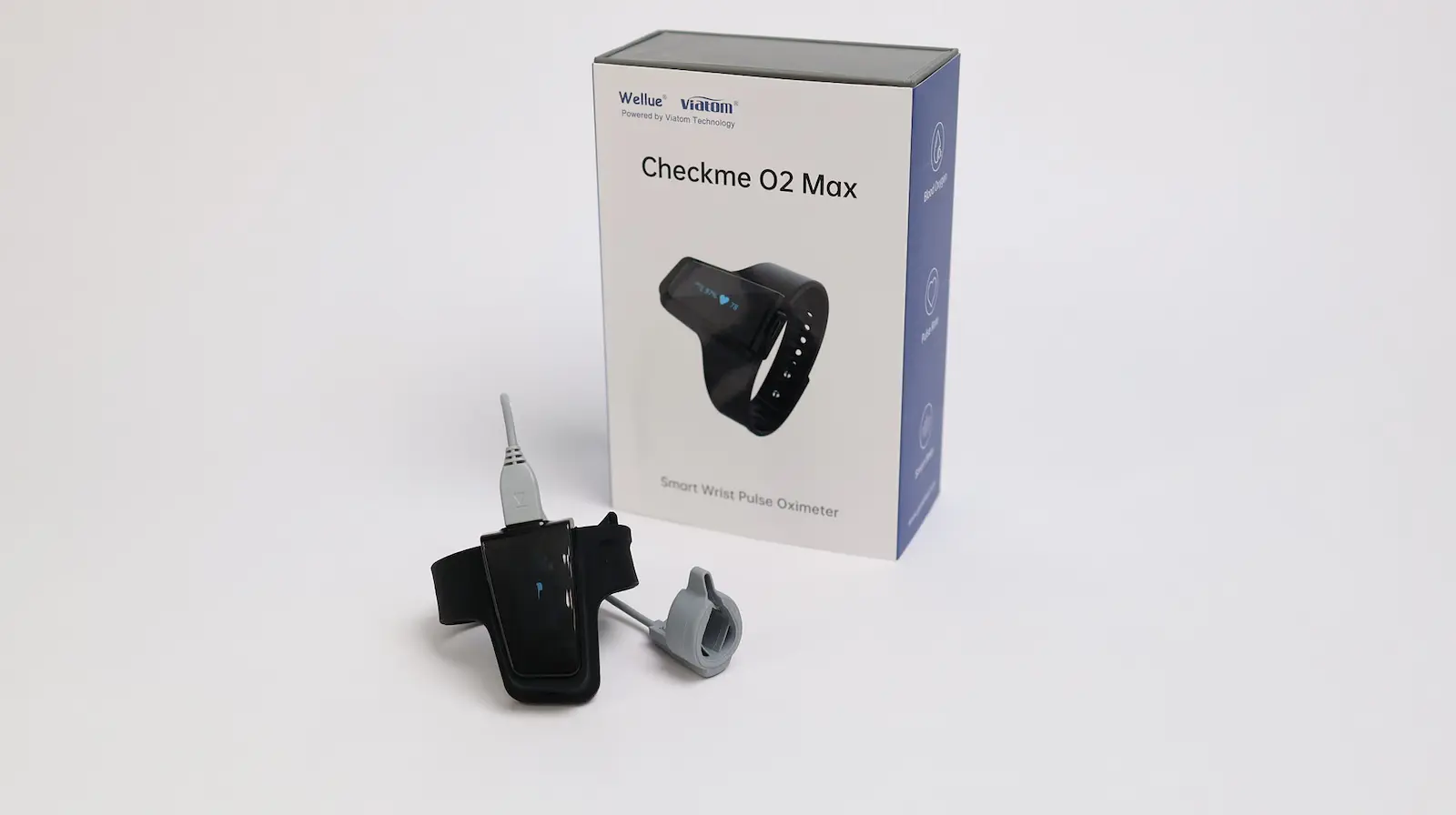
Inside its own family, the O2 Max is the one that scored highest on my bench.
Two reasons to look elsewhere, both honest:
If you want the smallest, barely-there fit, a ring beats any wrist unit for sleeping comfort. Read my Wellue O2Ring review or, for a ring that also scored higher on accuracy in my testing, the LOOKEE Sleep Ring.
If raw accuracy is the only thing you care about and you don’t need the FDA clearance, the EMAY SleepO2 edged it out in my testing at the top of the overall rankings.
And if you’re weighing this against the rest of the family, my which Wellue oximeter to buy guide lays out all five.
Best FDA Cleared
Wellue Checkme O2 Max
FDA-cleared, 90.7/100 against a $1,500 Nonin, 72-hour battery, OSCAR-ready data. My recommended pick for trustworthy overnight oxygen.
Frequently Asked Questions
Common questions about Wellue Checkme O2 Max
-
Best Overnight Pulse Oximeters for Sleep Apnea (Lab Tested)
Sleep apnea leaving you exhausted? We spent 480 hours lab-testing the best overnight pulse oximeters against a $1,500 hospital monitor. See the winners!
27 minutes -
Lookee Sleep Ring Review: I Tested Both Versions — Skip the Pro
I tested the Lookee Sleep Ring against a $1,500 hospital monitor for 3 nights, and against the Pro version. Here’s why the cheaper one wins.
18 minutes -
Sense-U Smart Sock Review: I Tried Hard, But Can’t Recommend It
I wanted the Sense-U Smart Sock to be the affordable Owlet, and I tried hard to make it work. Here’s the honest reason I can’t recommend it — and the still-supported monitors I’d get instead.
14 minutes